
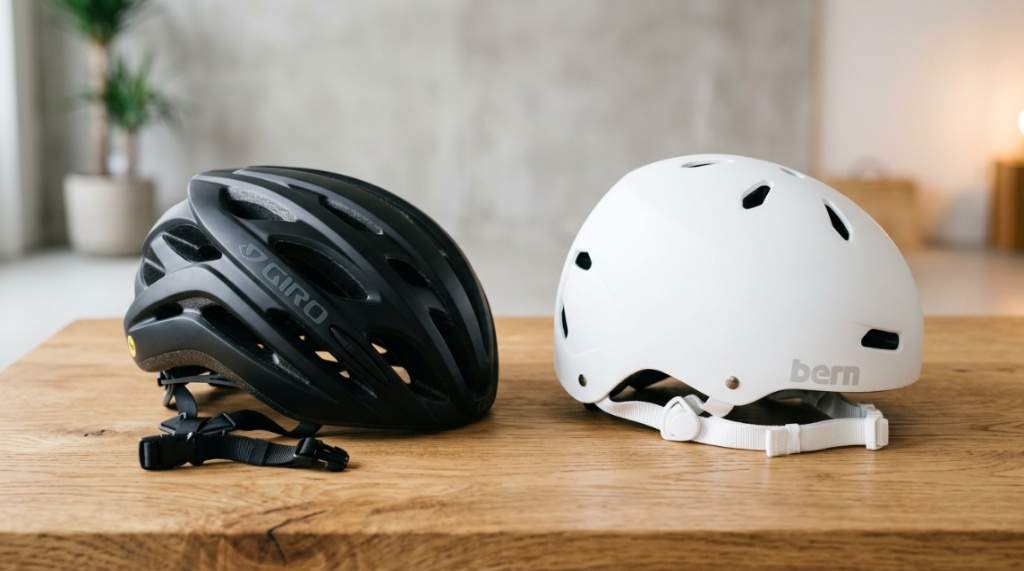
You are staring at a wall of helmets. The prices range from twenty bucks to over two hundred. You just need one helmet that works for your bike rides and your weekend skate sessions without breaking the bank. The problem is that many cheap helmets feel flimsy, while expensive ones seem to offer features you simply do not need. Finding the best value bike skate helmet 2026 means balancing safety certifications, comfort, durability, and price. This guide cuts through the noise to help you make a smart purchase that protects your head without emptying your wallet. We will look at what truly matters, what you can skip, and how to spot a genuine bargain from a dangerous dud.
What Does “Best Value” Actually Mean for a Helmet?
Value is not the same as the lowest price. The best value bike skate helmet 2026 offers the highest level of protection and usability for the money you spend. A $15 helmet that fails to protect you in a crash is a terrible value, regardless of the price tag. True value combines safety certifications, build quality, fit adjustments, and versatility. You want a helmet that meets multiple safety standards, lasts for several seasons, and works comfortably for both biking and skateboarding without needing two separate purchases.
Safety Certifications Are Non-Negotiable
Any helmet worth buying must carry a CPSC (Consumer Product Safety Commission) certification for biking and an ASTM F1492 certification for skateboarding. Multi-certified helmets cover both activities. Check for a sticker inside the helmet. Without these, you are buying a decoration, not protection. The best value models carry both certifications without a massive price premium.
Durability vs. Disposability
A value helmet should survive multiple impacts, though you must replace it after any hard crash. Look for thick EPS foam liners and a durable ABS or polycarbonate outer shell. Helmets that feel hollow or have thin padding will break down quickly and offer poor protection. Paying a little more for robust construction saves you from buying a replacement next season.
Versatility Across Activities
A true value helmet works for both biking and skating. Many “skate-style” helmets already meet bike safety standards. Look for a round profile that covers the back of the head, which is common in skate helmets but also works for casual cycling. This eliminates the need for two helmets, instantly doubling your value per dollar spent.
Why Should You Avoid the Cheapest Helmets on the Market?
The cheapest helmets often skip critical safety tests or use inferior materials. A $10 helmet from a discount store might look fine, but the EPS foam could be hard and brittle rather than impact-absorbing. In a crash, that foam can crack or fail to dissipate energy, leading to serious head injuries. The best value bike skate helmet 2026 sits in the mid-range price bracket, typically $30 to $60, where brands invest in proper certifications and quality control.
Counterfeit and Uncertified Helmets Are Dangerous
Online marketplaces sometimes sell uncertified helmets that mimic popular brands. These helmets lack the protective layers needed for real impacts. Stick to reputable retailers and manufacturers. If a deal seems too good to be true, it likely is. Verify that the helmet listing clearly states CPSC and ASTM certifications.
Cheap Foam Compresses Permanently
Low-density foam can compress under normal wear from sweat and heat. After a few months, the helmet may have reduced protective capacity. Quality EPS foam retains its structure and provides consistent impact absorption. Spending an extra $20 significantly improves the lifespan of the helmet.
Poor Retention Systems Cause Fit Issues
Cheap helmets use basic straps that slip or adjust poorly. A helmet that moves around during use offers zero protection because it can shift off your head during a fall. Look for adjustable chin straps and a secure buckle. Some value helmets now include dial-fit systems, which were once reserved for premium models.
Which Certifications Should Your Helmet Have in 2026?
By 2026, the minimum safety standard for any dual-use helmet is CPSC 1203 for biking and ASTM F1492 for skating. Some helmets also meet the newer ASTM F1447 or EN 1078 standards. The safest choice is a helmet that holds both major certifications. This ensures the helmet passed rigorous tests for impact, strap strength, and coverage.
CPSC 1203 Certification Explained
This US standard tests impact absorption, strap strength, and retention system performance. Helmets are dropped onto flat and curb anvils at specific heights. A certified helmet must keep the transmitted force below 300 Gs. This certification is mandatory for bike helmets sold in the US, but many skate helmets also pass it voluntarily.
ASTM F1492 Certification for Skateboarding
Skateboarding tests involve multiple impacts in a row, simulating repeated falls common in skating. The helmet must survive several hits without catastrophic failure. A helmet with only a bike certification may not hold up during a skate fall, especially if you hit the same spot twice. Dual certification guarantees coverage for both sports.
MIPS and Other Advanced Technologies
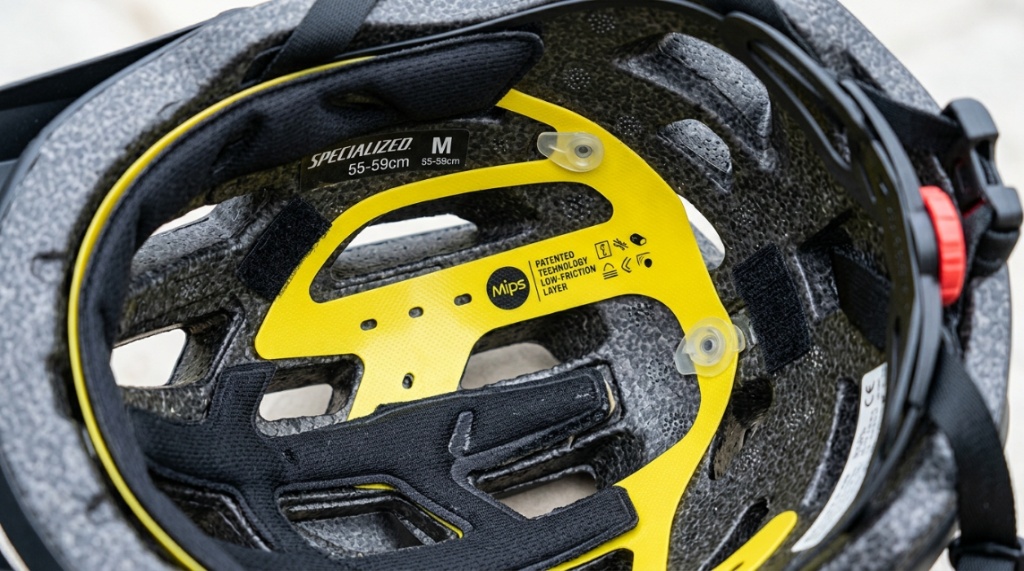
MIPS (Multi-directional Impact Protection System) is a low-friction layer inside the helmet that reduces rotational forces. While MIPS adds $10 to $30 to the price, it significantly reduces concussion risk. For the best value, look for a helmet with MIPS if your budget allows. In 2026, MIPS is becoming standard on many affordable models.
How to Choose the Right Size and Fit for Maximum Value?
A properly fitted helmet is the most critical factor for safety. A certified helmet that is too loose or too tight offers little protection and will be uncomfortable to wear. The best approach is to measure your head circumference just above the eyebrows using a flexible tape measure. Most helmets use this measurement to determine small, medium, or large sizing. A good value helmet includes a size adjustment system to fine-tune the fit.
Measuring Your Head Correctly
Wrap the tape measure around your head, one inch above your eyebrows. Keep it level and snug but not tight. Write down the measurement in centimeters. Compare it with the manufacturer’s size chart. If your measurement falls between sizes, choose the larger size and use the adjuster to tighten it.
Testing the Fit Before Buying
Try the helmet on and shake your head gently. The helmet should not move or slide. The straps should form a V around your ears, with the buckle centered under your chin. You should be able to fit one finger between the chin strap and your throat. If the helmet rocks forward or back, it does not fit properly.
Dial Adjustment Systems Add Value
A dial adjustment system at the back of the helmet allows micro-adjustments for a custom fit. This feature was once only on expensive helmets but is now common on value models between $35 and $50. It eliminates the need for buying different thicknesses of padding and extends the helmet’s usable life as your head shape changes slightly with hairstyles or hats.
When hunting for the best value, don’t look at impact protection alone. True road safety requires high visibility. Investing in helmets that accommodate Cyclist Safety lights and reflectivity ensures you remain visible to drivers during early morning or late-evening commutes.
What Features Should You Prioritize and What Can You Skip?
Not all helmet features are worth paying extra for. Prioritize safety, fit, and ventilation. Skip flashy paint jobs, branding collaborations, and unnecessary accessories. The best value bike skate helmet 2026 includes a solid shell, good ventilation, and an adjustable fit. Here is a breakdown of what matters and what does not.
Features to Prioritize
- Dual certification: CPSC and ASTM F1492
- Dial fit system: For precise adjustment
- Good ventilation: At least 6 to 10 vents for airflow
- Removable padding: Easy to wash and replace
- Polycarbonate shell: Lightweight and durable
Features to Skip
- Expensive graphics: A plain matte black helmet protects just as well
- Integrated lights: Often weak and run on expensive batteries
- Brand name logos: You pay more for the name, not the safety
- Ultra-lightweight claims: Marginal weight difference at high cost
- Fashion helmets: Hardshell look with no real protection
When to Pay for Visors and Accessories
A removable visor can be useful for biking in bright sun, but many skate helmets do not include one. If you mostly skate, skip the visor. If you bike equally, a visor is worth a small premium. Avoid helmets with fixed visors that cannot be removed, as they can catch during a skate fall.
How to Compare Helmet Prices Without Getting Confused?
Price comparison becomes easy when you strip away marketing and focus on the core factors. Compare helmets based on certification, weight, ventilation, and adjuster quality. A $40 helmet with MIPS and a dial fit is a better value than a $60 helmet with no MIPS and a basic strap system. Use a simple checklist when browsing online or in stores.
Create a Comparison Checklist
- Does it have CPSC and ASTM F1492? (Yes/No)
- Does it have MIPS? (Yes/No)
- Does it have a dial adjustment? (Yes/No)
- Number of vents: __
- Weight: __ grams
- Price: $__
Apply this checklist to every helmet you consider. The helmet that scores highest on safety and comfort for the lowest price is your best value pick.
Read Reviews for Real-World Feedback
User reviews often reveal issues about sizing, durability, and comfort that spec sheets miss. Look for reviews from people who use the helmet for both biking and skating. Pay attention to comments about the adjustment system loosening over time or the padding wearing out quickly. These details help you avoid poor value buys.
Consider Seasonal Sales and Discounts
Helmet prices drop significantly during off-season sales. Late winter and early spring often have the best deals. Sign up for email alerts from outdoor retailers. You might find a helmet originally priced at $60 for $35 during a clearance event. This stretches your budget further and lets you afford better features.
Where to Buy Your Next Helmet for the Best Deal?
Online retailers often have the widest selection and lowest prices, but physical stores let you try helmets on for fit. The best strategy is to test fit in a store, then compare prices online. However, be mindful of shipping costs and return policies. Some stores offer price matching if you ask politely.
Online Retailers with Good Return Policies
Amazon, REI, and specialized skate shops often have generous return windows. REI, in particular, allows returns up to one year for members. This is valuable if you are unsure about sizing. Avoid buying from third-party sellers on platforms that do not guarantee authenticity, as counterfeit helmets are a real risk.
Local Skate and Bike Shops Offer Expert Advice
Smaller shops employ staff who know the gear intimately. They can help you find the best value bike skate helmet 2026 that fits your specific head shape. While prices may be slightly higher than online, the expertise and ability to try before you buy often saves you from costly fit mistakes.
Warehouse Stores and Discount Retailers
Stores like Costco and Walmart occasionally stock multi-certified helmets at very low prices. These are often last year’s models or generic brands. Check the certification sticker carefully. If it is a legit CPSC and ASTM helmet, it can be an excellent value. Do not buy based solely on brand trust, verify the safety labels yourself.
How Long Should a Value Helmet Last Before Replacement?
Manufacturers generally recommend replacing a helmet every three to five years, even without a crash. Exposure to UV rays, sweat, and temperature changes degrades the EPS foam over time. For a helmet used regularly for both biking and skating, replace it every three years. If you crash hard, replace it immediately, even if there are no visible cracks.
Signs of Wear and Degradation
- Cracks or dents in the shell
- Compressed or hardened foam
- Loose or frayed straps
- Broken adjustment mechanism
- Padding that no longer stays in place
If you notice any of these signs, stop using the helmet. Continuing to wear a degraded helmet is dangerous. Mark the purchase date on the inside with a permanent marker so you know when it is time to replace.
Extending the Life of Your Helmet
Store your helmet indoors away from direct sunlight and extreme heat. Do not leave it in a car during summer, as temperatures can exceed 140°F, which damages the foam. Clean the padding with mild soap and water instead of harsh chemicals. Proper care helps a quality value helmet last its full service life.
Can You Use a Bike Helmet for Skateboarding and Vice Versa?
Yes, but only if the helmet is certified for both activities. Many modern skate helmets are dual-certified, meaning they pass both CPSC and ASTM F1492 tests. A pure bike helmet may not cover the back of the head well enough for skateboarding, while a pure skate helmet might lack the ventilation for long bike rides. Look for the dual certification label to simplify your purchase.
Bike Helmets for Skateboarding
Standard road bike helmets are aerodynamic and ventilated, but they often have a long tail shape that leaves the back of the head exposed. In a skate fall, you are likely to hit the back of your head, so this shape is dangerous. Avoid using a traditional road bike helmet for skateboarding unless it has skate-style coverage.
Skate Helmets for Biking
Skate helmets are rounder and have thicker foam and a harder outer shell. They provide excellent protection for both activities, especially casual biking. The main downside is less ventilation, but for short rides and urban commuting, this is rarely a problem. This is usually the better choice for dual use.
What Are the Most Common Mistakes People Make When Buying a Value Helmet?
Many riders buy the wrong size, skip certification checks, or prioritize looks over safety. These mistakes turn a good deal into a dangerous purchase. Being aware of these pitfalls helps you make a smarter buying decision and find a helmet that truly offers value.
Buying Based on Looks Alone
Matte black and sleek designs are appealing, but a helmet that looks cool but lacks dual certification is unsafe. Always verify certification before considering aesthetics. A plain helmet with MIPS is far better than a stylish helmet without it.
Ignoring the Adjustment System
A helmet that does not fit securely will shift during use. Many buyers assume the size label is sufficient, but head shapes vary. Always test the adjustment system, even on a cheap helmet. A simple strap system can be tuned for a snug fit, but a dial system is usually more reliable.
Assuming All Helmets Are the Same
This is the most dangerous misconception. Helmets vary dramatically in materials, foam density, and impact protection. A $20 helmet and a $50 helmet can look identical but offer completely different levels of safety. Do not assume all budget helmets are equal, verify the specs yourself.
Frequently Asked Questions
Can I use a bike helmet for roller skating or inline skating?
Yes, if the helmet is certified for multi-impact use or meets ASTM F1492. Many skate-style helmets work well for roller skating. Check the certification label before using a pure bike helmet for any aggressive skating activity.
How tight should a helmet feel when new?
A new helmet should feel snug with even pressure around your head. You should not feel pain or pressure points. The helmet should not move when you shake your head. If it is comfortable but secure, the fit is correct.
What is the difference between a single-impact and multi-impact helmet?
Single-impact helmets are designed for one hard crash, like biking, and must be replaced afterward. Multi-impact helmets, often used for skateboarding, can survive multiple lower-impact falls. For dual use, a multi-impact helmet is generally the better value choice.
Do expensive helmets protect better than cheap ones?
Not necessarily. Expensive helmets often have better ventilation, lighter materials, and advanced features like MIPS, but a cheap certified helmet meets the same basic safety standards. The best value is a mid-priced helmet with dual certification and MIPS.
How often should I replace a helmet if I never crash?
Replace it every three to five years even without a crash. The foam degrades over time from UV exposure, sweat, and temperature changes. Mark the purchase date inside the helmet to track its age.
Can I wash my helmet padding?
Yes, but use mild soap and water. Remove the padding if possible and air dry it completely. Avoid machine washing or using harsh detergents, as they can degrade the foam and padding materials.
Is a helmet with MIPS worth the extra money?
Yes, for most riders. MIPS significantly reduces rotational forces during angled impacts, which lowers concussion risk. On value helmets, MIPS often adds only $10 to $20, making it a worthwhile investment for safety.
Conclusion
Finding the best value bike skate helmet 2026 comes down to prioritizing safety certifications, proper fit, and durable construction over flashy features. You do not need to spend a fortune to get excellent protection. Focus on helmets that hold both CPSC and ASTM F1492 certifications, include a dial fit system, and offer good ventilation. A mid-range helmet between $35 and $60 will typically provide the best balance of safety, comfort, and longevity. Avoid the cheapest options that skimp on materials, and skip expensive models with unnecessary extras. Your head deserves a helmet that works, whether you are cruising on two wheels or landing tricks at the skate park. Take the time to measure your head, verify the certifications, and read real user reviews. A smart purchase today will keep you safe for years to come.


