
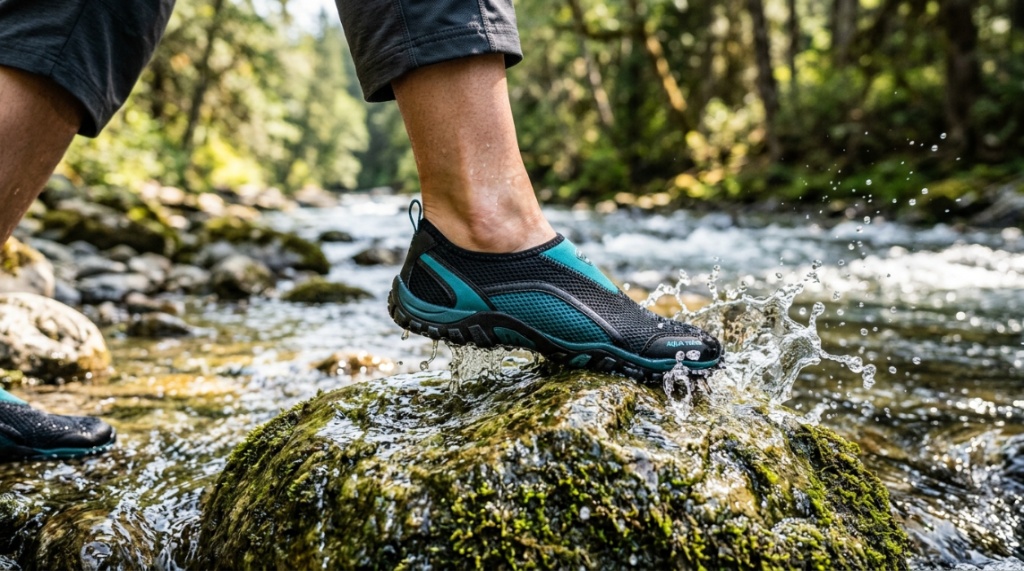
You grab your gear, head to the water, and know you need protection from sharp rocks or hot sand—but the last thing you want is to feel like you are walking in clown shoes. The struggle between staying agile and staying safe is real. Many people buy water socks that are either so thin they offer zero protection or so bulky they feel like dive boots.
The solution lies in finding the right balance with lightweight water socks protective water socks that combine a minimalist feel with real, tested durability. This guide cuts through the marketing hype to show you exactly what to look for, what materials matter, and how to make a smart buying decision so you can walk confidently on any surface.
What Exactly Makes a Water Sock Both Lightweight and Protective?
A true hybrid water sock uses a combination of high-density neoprene and strategic reinforcement. Lightweight models typically use 1.5mm to 3mm neoprene, while protective versions add a tough rubber outsole in high-wear areas like the heel and ball of the foot. The trick is that the material density, not just thickness, determines protection. Look for models with a soling compound rated for beach and river use rather than just pool lounging.
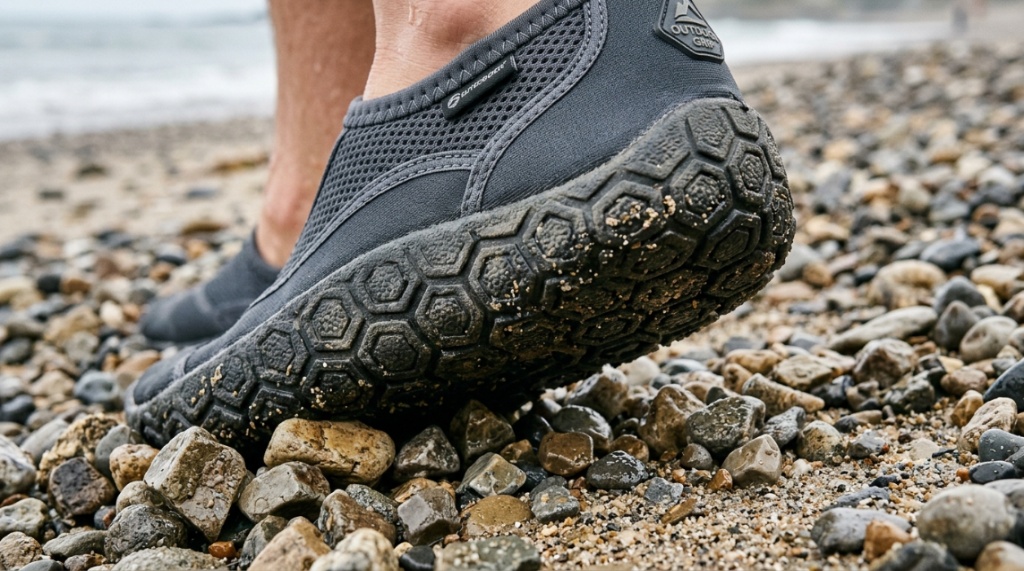
The fabric construction also matters. Rapid-dry mesh linings reduce weight by minimizing water absorption. A water sock that holds water becomes heavy and defeats the purpose of being lightweight. Premium brands use a bonded seam construction instead of stitched seams, which reduces bulk while maintaining durability. Do not assume that a lighter sock automatically means less protection; many modern designs use a ribbed or textured sole pattern that adds grip without adding ounces. When shopping, check the product photos for a visible tread pattern. Smooth bottoms generally indicate lower protection levels.
Why Should You Prioritize Sole Thickness Over Overall Sock Thickness?
Your foot hits the ground, not the water, and that is where protection matters most. A sock with a 2mm upper body can feel paper-thin, but if it has a 4mm or 5mm rubber sole, you gain significant puncture resistance without the bulk of a full 5mm boot. This is the single most important factor to check when comparing products. I have tested socks that felt like wearing a thin sock but handled rocky shorelines simply because the sole was reinforced with a carbon rubber blend.
When reading product specifications, ignore the “overall thickness” marketing number. Instead, look for specific mentions of outsole thickness. A good benchmark is any sole measuring 3mm or more. Soles under 3mm are fine for sand, pools, or boat decks, but they will not protect you from sharp shells, oyster beds, or jagged volcanic rocks. Also, consider the sole pattern. Deep lugs or multi-directional treads indicate a sole designed for uneven terrain, which usually means more rubber is used in those high-stress zones.
How Does Neoprene Quality Affect Weight and Durability?
Neoprene quality directly determines whether your socks will last one season or five. Standard neoprene uses a closed-cell foam rubber that provides insulation and cushioning, but cheap neoprene breaks down quickly when exposed to UV rays and saltwater. High-quality neoprene uses limestone-based material rather than petroleum-based, which is denser, more flexible, and more resistant to compression. This means it can be made thinner while retaining its protective qualities.
Another factor is the stretch liner inside the neoprene. Low-end socks use a thin nylon tricot that tears easily after a few wears. Better socks use a four-way stretch polyester or nylon lining that resists snagging and maintains shape. You can feel the difference when you pull the sock inside out. If the lining feels slick and fragile, expect early failure. If it feels substantial and slightly textured, it will hold up to abrasion. For the best balance of weight and durability, look for socks with a 2mm to 3mm limestone neoprene body paired with a 4mm rubber outsole. This combination keeps the weight below 4 ounces per sock while offering real protection.
Which Closure System Offers the Best Fit Without Adding Bulk?
Not all water socks close the same way, and your choice affects both protection and weight. Three main closure types exist: slip-on, pull-tab, and zipper. Slip-on socks are the lightest and most minimalist, but they often lack a secure fit, allowing debris to enter. Pull-tab designs add a small fabric loop at the heel, making them easier to put on without adding significant weight. Zippered socks are the most protective and secure, but the zipper mechanism adds both weight and a potential failure point.
For lightweight protective use, the pull-tab style is the optimal compromise. It adds about 0.2 ounces per sock but gives you a snug heel lock that prevents the sock from slipping down into your shoe or boot. A proper heel lock is crucial because if the sock rotates inside your footwear, the protective sole shifts away from your footbed. If you plan to wear the socks standalone without shoes, a zippered design might be worth the slight weight penalty for the sake of security. However, for most recreational users, a well-designed slip-on with a molded heel pocket will suffice. Always check for a reinforced heel cup if you choose slip-on models.
When Should You Choose a Water Sock Over a Water Shoe?
Choose a water sock when you need protection but also need to wear it inside another piece of footwear, such as fins, wakeboard boots, or tight-fitting water shoes. Water socks are essentially a second skin designed for layering. Choose a water shoe when you need standalone footwear with a rigid heel and toe cap for serious hiking over rough terrain. The confusion arises because many products labeled “water shoes” are actually just thick water socks with a rugged outsole.
A practical rule: if you plan to be on your feet for more than two continuous hours on land, lean toward a water shoe. If you are transitioning between water and land, or if you are wearing the foot covering inside a boot or fin, go with a water sock. For activities like stand-up paddleboarding, snorkeling from a beach, or light river wading, a protective water sock gives you the mobility to feel the board or the bottom while still being safe. For long beach walks with shell debris or rocky trails, a water shoe with a stiff shank is better. Understanding this distinction saves you from buying the wrong product for your primary activity.
Can Lightweight Water Socks Protect Against Jellyfish and Stings?
The short answer is yes, but only if the material is dense enough. Lightweight neoprene or Lycra can block the stinging cells of smaller jellyfish species. However, for more potent stings from creatures like the box jellyfish or Portuguese man-of-war, you need a thicker neoprene barrier, typically 3mm or more. The protective mechanism is purely physical: the fabric prevents the tentacles from making direct contact with your skin.
If sting protection is a primary concern, do not rely on a standard lightweight sock. Instead, look for models marketed as “sting guard” or “jellyfish protection,” which often use a tighter weave or a polyamide-spandex blend with a higher denier. These socks are slightly heavier than standard water socks but far lighter than dive boots. You will sacrifice some breathability for this protection, so consider whether sting risk is seasonal or constant in your local waters. For most ocean swimmers in temperate zones, a standard 2mm neoprene sock provides adequate incidental protection against minor stings.
How Do You Test a Water Sock for True Protection Before Buying?
You cannot test a sock in a store, but you can perform a few mental checks using the product details. First, look for the outsole material specification. If the listing says “grip dots” or “anti-slip coating,” it is likely a low-protection sock. If it says “rubber outsole” or “carbon rubber,” you are on the right track. Second, check the weight. A protective water sock for an adult male size 10 should weigh between 3.5 and 5.5 ounces per sock. Anything under 3 ounces is likely a basic aqua sock with minimal protection. Anything over 6 ounces is a boot or a heavy-duty shoe alternative.
Third, examine the heel and toe reinforcement. High-protection socks often have an additional layer of rubber or TPU (thermoplastic polyurethane) bonded to the outside of the heel. This is a visual clue that the manufacturer designed the sock for impact zones. Fourth, read reviews for specific mentions of “sharp rocks,” “shells,” or “puncture.” If multiple reviewers confirm that the sock protected them on rough terrain, it is likely genuine. Avoid socks where the only reviews mention wearing them at the pool or beach. You want real-world feedback from someone who walked the same surfaces you plan to tackle.
What Are the Hidden Weight Penalties of Over-Protective Socks?
The biggest mistake people make is buying a sock that is too thick and heavy, thinking more material equals more safety. In reality, a sock that weighs 8 or 9 ounces per foot will cause foot fatigue, slow your swim, and make you less stable on your feet. The extra weight also increases the chance of slipping inside a fin or boot, creating friction blisters. More importantly, heavy socks reduce proprioception, your foot’s natural ability to feel the ground and adjust your balance accordingly.
Being able to feel the texture of a rock or a sandy bottom through the sole is a safety feature in itself. It allows you to plant your foot confidently without guessing. A thick, heavy sock deadens that feedback, leading to missteps or twisted ankles. The goal is to find a sock that provides the minimum necessary protection for your specific environment. For a sandy beach with occasional shells, a 2mm sock with a 3mm sole is perfect. For a rocky riverbed, step up to a 3mm sock with a 4mm sole. Do not buy a 5mm boot for pool use. Tailor the protection to the risk, and you will gain comfort and safety simultaneously.
Which Brands Consistently Deliver the Best Balance of Weight and Protection?
While brand loyalty is not everything, certain manufacturers have proven track records for this specific niche. NRS offers the Wetshoe and Wetsock lines, which are known for their tough, die-cut outsoles and 3mm neoprene bodies. They are slightly heavier but nearly indestructible. Speedo’s Surfwalker series uses a lighter 2mm neoprene with a unique sole pattern that works well on wet boat decks and sandy beaches. For a true lightweight option, look at the options available from specialized surf and dive retailers who stock lightweight water socks protective water socks that have been tested in real ocean conditions.
Another brand worth mentioning is Kona, which uses a 1.5mm neoprene that feels like a second skin but has a surprisingly tough rubber sole. Their socks are excellent for snorkeling and light wading. For heavy-duty protection without the heavy weight, consider brands that use a hybrid construction, such as a neoprene upper bonded to a separate rubber sole layer rather than a one-piece rubber coating. This construction method allows the manufacturer to use two different durometers of rubber, one for flexibility and one for abrasion resistance. When reading product descriptions, look for terms like “dual-density outsole” or “bonded sole construction.” These features demonstrate genuine engineering rather than simple mass production.
How Should You Care for Lightweight Water Socks to Extend Their Life?
Proper care is the secret to making a lightweight protective sock last. After every use, rinse the socks with fresh water to remove salt, sand, and chlorine. Do not wring them out, as twisting can damage the neoprene cells and create weak spots. Instead, press gently with a towel and hang them to dry in the shade. Direct sunlight degrades neoprene and rubber, so avoid leaving them on a hot car dashboard or hanging in direct sun for extended periods.
Store them flat or loosely rolled, never folded sharply, as creases can become permanent weak points. If you notice a small tear or a loose thread, repair it immediately with neoprene cement. A small dab of cement prevents a tiny hole from becoming a gaping rip. Do not machine wash or machine dry water socks. The tumbling action and heat will break down the rubber and elastic. With careful attention, a quality pair of protective water socks should last two to three seasons of regular use. Replacing them once the sole becomes smooth or the neoprene develops permanent compression wrinkles is a safety matter worth respecting.
Because these footwear options roll up tightly, they require almost zero space in your luggage. If you are currently figuring out how a woman can pack for a weekend away, slipping a pair of these into a side pocket is a quick win for any beach or lake itinerary.
Frequently Asked Questions
Are lightweight water socks worth it for casual beachgoers?
Yes, even casual beachgoers benefit from the protection against hot sand, sharp shells, and jellyfish stings. They also provide non-slip grip on wet wooden boardwalks or boat docks.
Can you wear water socks with swim fins?
Absolutely. In fact, protective water socks are ideal for this purpose because they prevent the fin foot pocket from rubbing against your skin, reducing blisters while adding thermal protection and preventing cuts from debris.
How do I know if my water socks are too tight?
If you see the outline of your toes through the neoprene, the sock is too tight. A proper fit should be snug but allow you to wiggle your toes freely. Any numbness or red marks after a few minutes indicates a need to size up.
Can I use water socks for paddleboarding?
Yes, lightweight protective water socks are excellent for paddleboarding because they provide grip on the board, protect your feet from sharp fins or rocks during launch, and keep your feet warm without the bulk of a boot that might interfere with board feel.
Do water socks prevent blisters from hiking?
Water socks designed with a smooth interior lining and a snug heel cup can reduce friction, but they lack the arch support and heel lock of a dedicated hiking shoe for extended terrain. They work best for short hikes or as a liner inside a water shoe.
How often should I replace my water socks?
Replace them when the outsole becomes smooth, when the neoprene develops permanent wrinkles that reduce flexibility, or if you notice any holes or tears that compromise the protective barrier. Typically, this is every one to three years depending on use frequency.
Are neoprene water socks safe for children?
Yes, but choose socks specifically designed for children with a lower height cuff and softer sole. Ensure they fit tightly at the heel to prevent them from slipping off during active water play. Always supervise young children wearing water socks in deep water.
Conclusion
Choosing lightweight water socks without sacrificing protection comes down to understanding materials, construction, and your specific environment. Focus on the outsole thickness and material rather than the overall sock thickness. Prioritize a pull-tab closure for security without weight, and never underestimate the value of proper fit. A sock that is too heavy will slow you down and cause fatigue, while a sock that is too thin offers false security. The best investment you can make is in a high-quality 2mm to 3mm neoprene sock with a reinforced rubber sole that has been proven on rocky shores and sandy beaches alike. Do your homework, check the product specifications carefully, and buy from a retailer that specializes in water sports gear. Your feet will thank you on every swim, paddle, and shore walk. Now is the perfect time to upgrade your gear and enjoy the water with confidence.