
Custom audio systems continue to grow in popularity because drivers want stronger bass and cleaner sound. However, many enthusiasts overlook electrical stability during installation. Studies show that high power amplifiers can draw hundreds of amps during peak output. Therefore, understanding automotive audio system electrical load helps prevent performance issues. When voltage drops occur, amplifiers lose efficiency and sound quality suffers. As a result, careful planning protects equipment and improves long term reliability.
Understanding Voltage Drops in Custom Audio Systems
Voltage drop occurs when electrical demand exceeds available power delivery. Consequently, amplifiers receive less voltage than required during heavy playback. This condition often appears during bass-heavy music passages. Moreover, lights may dim and amplifiers may enter protection mode. Understanding the cause helps installers solve issues before damage occurs.
Electrical resistance creates the foundation of most voltage drop problems. Every wire, connector, and grounding point adds resistance. Therefore, poor installation practices increase electrical losses throughout the system. In many custom builds, users focus on speaker upgrades first. However, electrical support determines overall performance more than many realize.
California drivers often face unique conditions that influence electrical systems. High summer temperatures can increase resistance in some components. Additionally, extended traffic periods keep vehicles idling for long durations. Under these conditions, charging systems may struggle with high audio demands. Therefore, system design should account for local driving habits and climate patterns.
Calculate Power Demand Before Installation
Every successful audio build starts with accurate power calculations. First, identify amplifier RMS ratings rather than peak ratings. Next, estimate current draw using realistic efficiency figures. This process prevents costly mistakes later in the project. Furthermore, it creates a roadmap for electrical upgrades.
Many enthusiasts underestimate system requirements during planning. While researching building your own car projects, electrical planning remains a critical lesson. The same principle applies to custom audio systems. Therefore, every component should match the expected power demand. Proper calculations reduce troubleshooting and installation delays.
Basic Current Draw Formula
Use a simple formula to estimate amplifier demand. Divide amplifier wattage by system voltage and efficiency. For example, a 1,000 watt amplifier can draw significant current. Consequently, factory charging systems may become overloaded. Knowing these numbers supports smarter upgrade decisions.
- Calculate total RMS power.
- Estimate amplifier efficiency.
- Determine expected current demand.
- Compare results with alternator output.
- Plan upgrades when necessary.
Upgrade the Vehicle’s Big Three Wiring
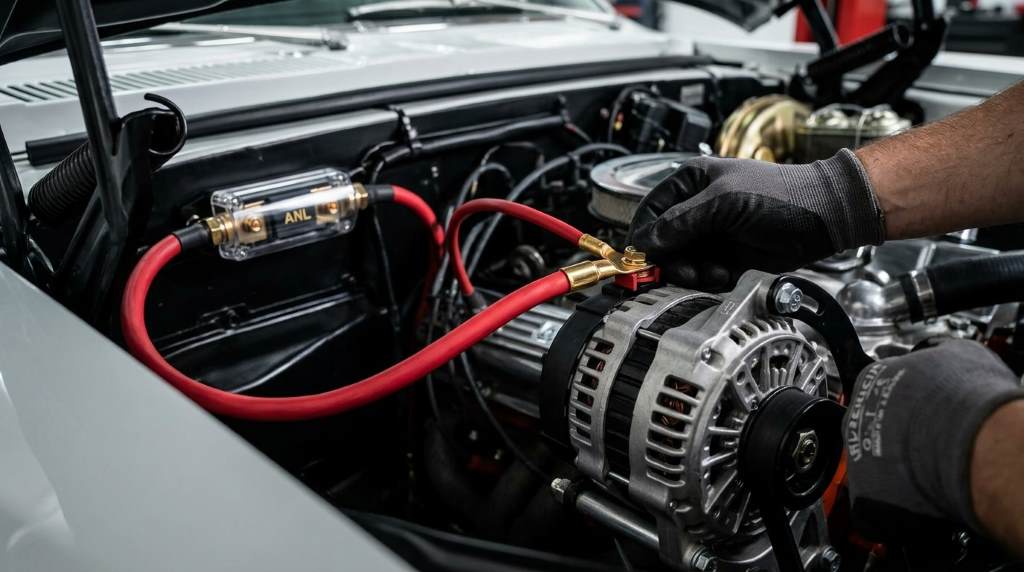
The Big Three upgrade remains one of the most effective solutions. This modification improves current flow throughout the charging system. As a result, voltage remains more stable during peak demand. Many installers perform this upgrade before adding larger amplifiers. It often delivers immediate benefits at a reasonable cost.
The upgrade involves three critical electrical connections. These include the alternator positive cable, battery ground cable, and engine ground cable. Therefore, replacing factory wires with larger gauge alternatives reduces resistance. Lower resistance allows stronger current flow. Consequently, amplifiers receive more consistent voltage.
Select Quality Wire Materials
Pure oxygen free copper wiring offers superior conductivity. Although cheaper alternatives exist, they often create greater resistance. Therefore, investing in quality materials improves long term performance. Reliable wiring also reduces heat buildup under heavy loads. This contributes to system safety and efficiency.
Choose the Correct Wire Gauge
Undersized wiring frequently causes voltage instability. Even powerful charging systems cannot compensate for excessive wire resistance. Therefore, wire size should match expected current demand. Larger systems require thicker cables to maintain voltage. This principle applies throughout the entire installation.
Many installers learn valuable lessons from common mistakes when buying components. Selecting cables based solely on price often creates future problems. Instead, choose wire gauge according to current requirements and cable length. Proper sizing supports efficient power delivery. Consequently, equipment performs at its full potential.
General Wire Recommendations
- 4 AWG for moderate power systems.
- 1/0 AWG for high power installations.
- Use matching grounds whenever possible.
- Keep cable runs as short as practical.
- Inspect insulation quality before installation.
Upgrade the Alternator for Higher Output
Factory alternators support original vehicle equipment requirements. However, large audio systems often exceed those capabilities. Therefore, upgrading the alternator becomes necessary in many builds. A high output alternator supplies additional current during heavy playback. This reduces stress on the battery and charging system.
Alternator upgrades provide benefits beyond audio performance. Stable voltage improves amplifier efficiency and equipment lifespan. Furthermore, electrical accessories continue operating properly during demanding conditions. Drivers also experience fewer dimming lights and warning indicators. As a result, the vehicle maintains dependable operation.
Match Output to Actual Demand
Selecting the largest alternator is not always necessary. Instead, match output capacity to realistic system requirements. This approach balances cost and performance effectively. Moreover, it avoids unnecessary modifications. Careful planning produces better overall results.
Use a High Performance Battery
A strong battery complements the charging system effectively. While the alternator supplies current during operation, the battery handles sudden demand spikes. Therefore, battery quality directly influences voltage stability. High performance batteries provide stronger reserve capacity. Consequently, the system responds better during dynamic music passages.
Drivers often focus on amplifier upgrades first. However, battery improvements frequently produce noticeable gains. In addition, reliable batteries improve vehicle starting performance. This becomes particularly valuable during hot California summers. Strong reserve power supports both audio and vehicle systems.
Optimize Grounding Locations
Poor grounding remains one of the most overlooked causes of voltage drops. Even premium equipment performs poorly with weak ground connections. Therefore, grounding points require careful preparation and inspection. Clean metal surfaces provide the best electrical contact. Proper grounding improves overall system efficiency.
When evaluating vehicle support systems, lessons from parts that ensure your equipment functions properly also apply here. Every connection contributes to overall performance. Therefore, grounding should receive equal attention as power wiring. Consistent electrical flow supports stable amplifier operation. This reduces unwanted voltage fluctuations.
Grounding Best Practices
- Remove paint completely.
- Use short ground cables.
- Tighten all hardware securely.
- Inspect connections regularly.
- Protect exposed metal from corrosion.
The Often Ignored Issue of Dynamic Bass Recovery
Most articles discuss wire size and alternators. However, dynamic bass recovery receives far less attention. This phenomenon occurs when repeated bass hits deplete available electrical reserves. Consequently, voltage struggles to recover between peaks. Sound quality declines even when average voltage appears acceptable.
Audio enthusiasts often blame amplifiers for performance problems. Yet electrical recovery speed frequently causes the issue. Therefore, monitoring voltage response during music playback provides valuable insight. Fast recovery supports cleaner bass reproduction. This creates a more controlled listening experience.
Advanced installers use data logging tools to identify recovery limitations. These measurements reveal patterns hidden during casual observation. As a result, system upgrades become more targeted and effective. Few hobbyists consider this analysis step. Nevertheless, it can transform system performance.
Consider Capacitors Carefully
Capacitors remain controversial within the audio community. Some users expect dramatic improvements from a single capacitor. However, real world results depend on overall system design. Therefore, capacitors should support existing upgrades rather than replace them. Proper expectations lead to better decisions.
In certain situations, capacitors help smooth brief voltage fluctuations. Nevertheless, they cannot compensate for inadequate alternators or weak batteries. Consequently, address major electrical deficiencies first. Then evaluate whether additional support remains necessary. This sequence produces better outcomes.
Monitor Voltage During Real Driving Conditions
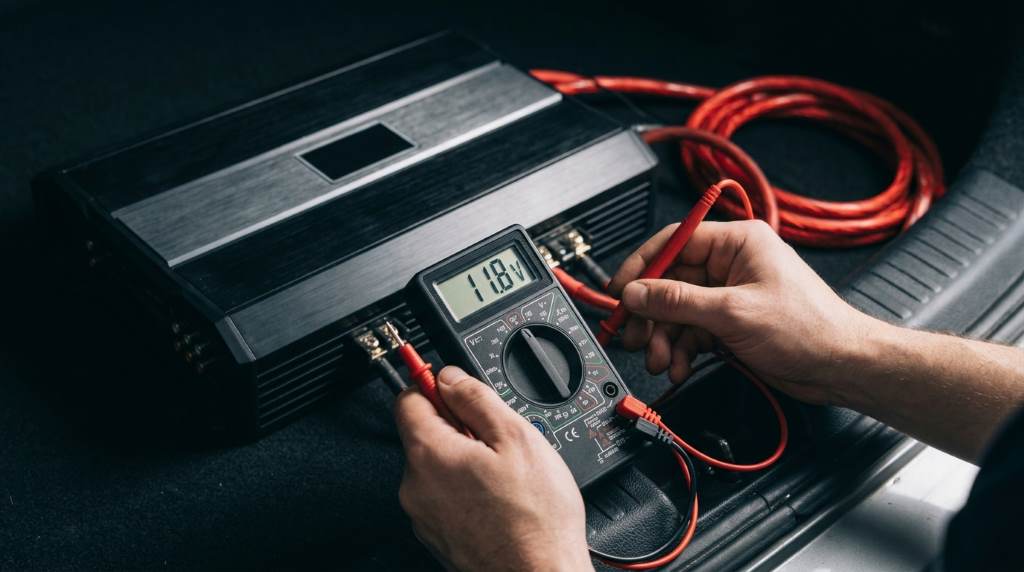
Testing inside a garage provides limited information. Instead, evaluate system performance during actual driving conditions. California traffic patterns create unique electrical demands. Therefore, monitor voltage while idling and cruising. Real world testing reveals hidden weaknesses.
Digital voltage monitors offer an affordable diagnostic solution. These devices provide continuous feedback during operation. Furthermore, they help identify trends before problems worsen. Consistent monitoring protects expensive equipment investments. Early detection simplifies corrective action.
Maintain the Entire Electrical System
Even well designed systems require regular maintenance. Over time, connections loosen and corrosion develops. Therefore, routine inspections remain essential for long term reliability. Small issues often grow into major performance problems. Preventive maintenance reduces unexpected failures.
Inspect battery terminals several times each year. Additionally, examine grounding points and fuse holders carefully. Replace damaged components immediately when necessary. Consistent maintenance supports stable voltage delivery. As a result, audio performance remains dependable.
Conclusion
Preventing voltage drops in custom audio builds requires planning, quality components, and regular maintenance. First, calculate power demand accurately. Next, upgrade wiring, grounding, batteries, and charging systems when needed. Furthermore, monitor performance under real driving conditions. By following these strategies, you can achieve stronger sound, better reliability, and longer equipment life. Start evaluating your electrical system today and build a custom audio setup that performs consistently every time.
FAQs
What causes voltage drops in car audio systems?
High current demand combined with electrical resistance commonly causes voltage drops.
Does a bigger alternator stop voltage drops?
A properly sized high output alternator significantly reduces voltage instability.
Should I upgrade wiring before buying another battery?
Yes, wiring upgrades often provide major improvements before battery replacement.
Can poor grounding affect amplifier performance?
Yes, poor grounding increases resistance and reduces electrical efficiency.
Do capacitors replace alternator upgrades?
No, capacitors support electrical systems but cannot replace proper charging upgrades.

