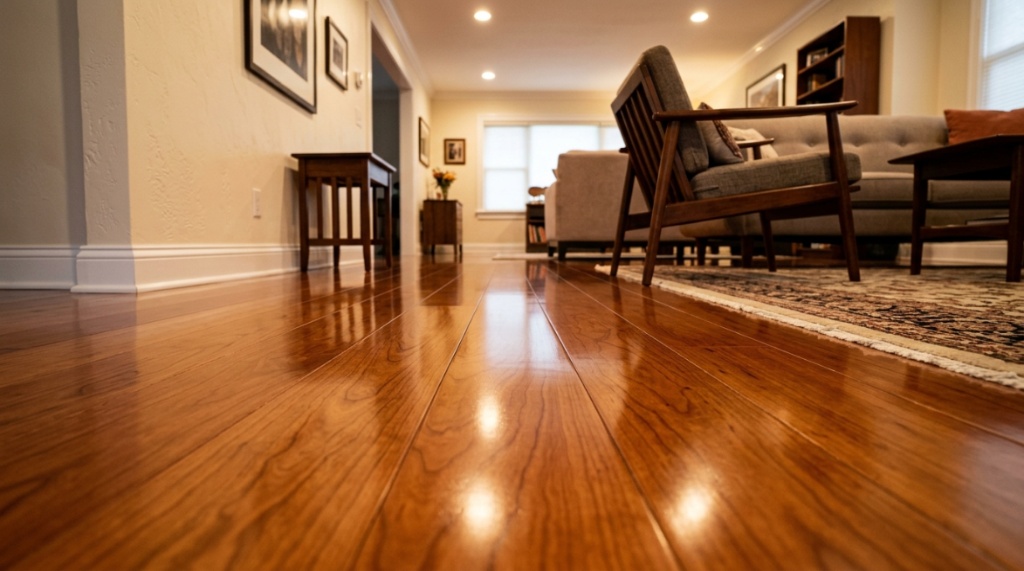
You bought beautiful hardwood floors to add warmth and value to your home, but now you are staring at a bottle of cleaning solution unsure if it is safe. The wrong product can strip the finish, leave a cloudy residue, or cause warping. You need a reliable method that protects your investment. Using a Shark hardwood floor cleaner takes the guesswork out of the equation. This guide covers everything you need to know about choosing the right Shark formula, prepping your floors, using the proper technique, and avoiding the mistakes that ruin wood surfaces. By the end, you will have a simple, repeatable system that leaves your hardwood spotless and protected for years.
What Makes a Shark Hardwood Floor Cleaner Different from Other Products?
A Shark hardwood floor cleaner is specifically formulated to be pH-neutral and free of harsh alkalines or heavy waxes. Unlike all-purpose cleaners or vinegar solutions, these formulas are designed to evaporate quickly without leaving a residue that attracts dirt or dulls the finish. They also work seamlessly with Shark steam mops and spray mops to deliver the correct amount of moisture to your wood.
The Science Behind pH-Neutral Cleaning
Hardwood finishes are sensitive to extreme pH levels. Alkaline cleaners (like those containing ammonia) can break down the polyurethane layer over time. A Shark hardwood floor cleaner sits at a neutral pH, typically between 6.5 and 7.5. This balance lifts dirt without etching the finish. You do not need to rinse the floor because the solution breaks down into harmless components as it dries.
Why Vinegar and DIY Mixes Are Risky
Many online guides recommend vinegar and water. Acetic acid eats away at the sealant, especially on engineered wood. Over several months, the finish becomes foggy. Commercial Shark products include surfactants that suspend dirt particles so they lift into the mop pad rather than settling into the grain. DIY mixes lack this engineering and often leave a sticky film that requires more frequent deep cleaning.
Comparison: Shark vs. Generic Cleaner on Wood
| Feature | Shark Hardwood Cleaner | Generic All-Purpose Cleaner |
|---|---|---|
| pH Level | Neutral (6.5–7.5) | Often alkaline (8–10) |
| Residue Left Behind | None (quick dry) | Sticky film common |
| Safe for UV-Finished Floors | Yes | No |
| Streak-Free Guarantee | Yes | No |
How Often Should You Clean Hardwood with a Shark Mop?
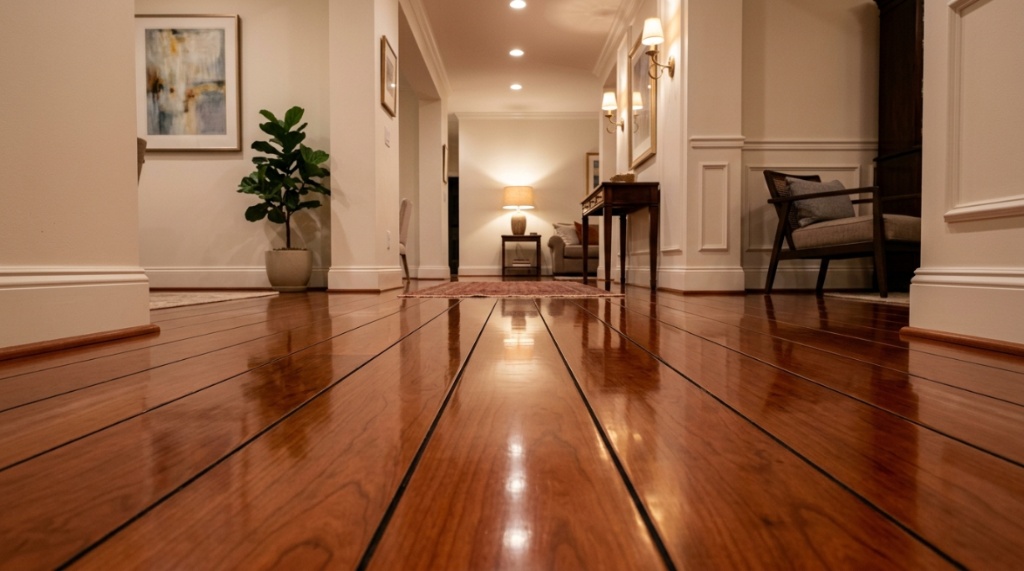
The frequency depends on foot traffic and whether you have pets or children. For most homes, a weekly wet-mopping session with a Shark hardwood floor cleaner is enough. High-traffic zones like hallways and kitchen areas may need a mid-week touch-up using the dry setting on your Shark mop to pick up grit before it scratches the wood.
Daily Maintenance Protocols
Use a Shark vacuum or the dry dusting mode on your Shark mop every day if you have pets or live in a dusty area. Loose particles act like sandpaper underfoot. Sweeping alone pushes debris into gaps. Vacuuming with a hardwood-friendly attachment captures the fine dust that dulls the shine. A two-minute daily pass prevents the buildup of abrasive material.
Weekly Deep Cleaning Schedule
Once per week, fill the Shark mop reservoir with the recommended amount of hardwood cleaner. Run the mop in straight lines parallel to the wood grain. Overlap each pass by one inch to avoid missing streaks. The entire floor should be dry within five minutes. If it feels tacky after ten minutes, you used too much solution. Adjust the spray setting next time.
Signs You Are Cleaning Too Often
If you notice a white haze on the surface or if the wood feels slightly raised between planks, you may be over-wetting. Hardwood can only tolerate a certain amount of moisture exposure. Reduce wet-mopping to every two weeks and rely on dry dusting in between. The cleaner should enhance the floor, not stress it.
Which Shark Mop Works Best for Hardwood Floors?
Shark offers several mop models, but not all are equally safe for hardwood. The best options are the Shark S6002 (Steam & Spray) and Shark WM255 (Spray Mop). Both allow you to control the amount of liquid dispensed. Models that rely solely on steam can cause moisture damage if left stationary too long, so a spray mop gives you more precision.
Steam Mop Considerations for Wood
Shark steam mops produce heat that can break down the finish over many uses. If you choose to steam, use the lowest steam setting and never let the mop sit still for more than two seconds. Move continuously. Only use steam on solid hardwood that is sealed with a high-gloss polyurethane. Avoid steam on engineered hardwood or laminate.
Spray Mop Advantages
The Shark spray mop gives you full control over moisture. A trigger mechanism lets you mist the pad rather than flood the floor. You spray, mop, and the pad absorbs almost all the liquid. This method reduces drying time and eliminates standing water. It is the safer choice for most hardwood types.
Picking the Right Pad Material
Shark mops come with reusable microfiber pads. Wash them after every use without fabric softener, as softener clogs the fibers and reduces absorption. A clean pad is essential; using a dirty pad only spreads grime around. Replace pads every six months for best performance.
How to Prepare Hardwood Before Using a Shark Cleaner
Proper preparation prevents scratching and ensures the cleaning solution works effectively. Always sweep, vacuum, or dry-mop the floor first to remove loose dirt, pet hair, and grit. If you skip this step, the mop pad will push debris across the wood, causing micro-scratches that become visible in direct sunlight.
Step-by-Step Pre-Cleaning Checklist
- Move lightweight furniture and area rugs out of the way.
- Vacuum using a hardwood setting or a brush attachment.
- Inspect the floor for sticky spots. Spot-clean any spills with a damp cloth before mopping.
- Check the Shark mop pad for dirt from previous use. If it is soiled, swap it for a fresh pad.
Choosing the Right Vacuum for Hardwood Prep
Not all vacuums are safe for hardwood. Use a stick vacuum with a soft roller or a canister vacuum with a dedicated floor head. Shark offers cordless stick vacuums with a hardwood floor setting that lifts debris without scratching. Avoid vacuums with beater bars or bristle brushes that can damage the sealant.
Testing the Cleaner on an Inconspicuous Area
Before you clean the entire floor, test the Shark hardwood floor cleaner in a closet corner or under a sofa. Apply a small amount to a white cloth and rub it on the wood. Wait ten minutes. If the cloth shows discoloration or the finish looks cloudy, choose a different formula. Most Shark products pass this test, but it gives you peace of mind.
What Is the Correct Technique for Spraying and Mopping?
Spray a light mist directly in front of the mop pad, not onto the wood elsewhere. Use a side-to-side motion that mimics how you buff a car. Work in sections of roughly 4×4 feet. Wipe the section with the wet side of the pad, then flip the pad over and buff the same area with the dry side to remove any excess moisture.
The Two-Pass Method for Streak-Free Results
The most common complaint about mopping is streaks. Streaks happen when too much solution sits on the surface. Use the two-pass method: first pass sprays and cleans, second pass (with the clean side of the pad) picks up residual moisture. This method leaves the floor dry and glossy. It takes an extra minute per room but eliminates any chance of residue.
How to Handle Edges and Corners
Water tends to pool along baseboards. Use the corner of the mop pad to wipe edges, or use a microfiber cloth by hand for tight spaces. Avoid spraying directly near baseboards as the liquid can seep under the molding and cause swelling. Dry the baseboard joints with a towel if they become wet.
Speed and Pressure Guidelines
Move at a steady walking pace. Press firmly enough to engage the microfiber but not so hard that you push the pad flat. Let the mop do the work. If you see water beading up behind the mop, you are going too fast or using too much spray. Slow down and reduce trigger pressure.
Can You Use Shark Hardwood Floor Cleaner on Engineered Wood?
Yes, you can use a Shark hardwood floor cleaner on engineered wood, but you must be more cautious with moisture. Engineered wood has a thin top layer of real wood over multiple plies. It is less tolerant of standing water than solid hardwood. A spray mop with controlled output is ideal because it minimizes exposure.
Moisture Limits for Engineered Floors
Manufacturers of engineered wood usually recommend using only a damp, not wet, mop. The Shark spray mop allows you to deliver a fine mist that leaves the pad damp rather than soaked. Wring the pad out before attaching it to the mop if you want extra safety. Never pour water directly onto the floor.
What to Avoid on Engineered Hardwood
Do not use steam mops on engineered wood unless the manufacturer explicitly approves it. The heat and moisture can delaminate the layers over time. Avoid any cleaner that contains oil, wax, or silicone, as these can prevent future refinishing from adhering properly. Stick to the neutral pH Shark formula designed for hardwood.
Long-Term Care for Engineered Surfaces
Reseal engineered floors every three to five years, depending on wear. A protective sealant reduces moisture absorption and makes cleaning more effective. Use felt pads under furniture legs to prevent indentations and scratches. Maintain a consistent humidity level in your home between 30% and 50% to prevent the wood from expanding or contracting.
How to Remove Stubborn Stains Without Damaging the Finish
Heel marks, pet stains, and dried spills require extra attention. Apply a small amount of undiluted Shark hardwood floor cleaner directly onto the stain. Let it sit for 30 seconds, then scrub gently with a soft-bristled brush. Wipe the area with a damp pad. For old stains, repeat the process rather than scrubbing harder.
Treating Water Rings and White Haze
White rings from glasses are often moisture trapped in the finish. Lay a microfiber cloth over the ring and apply a warm iron for five seconds. The heat drives the moisture out. Follow up with a light spray of cleaner and buff. If the ring persists, the finish may be compromised and require spot refinishing.
Removing Candle Wax and Gum
Hard wax or gum must be chilled before removal. Place an ice pack in a plastic bag on the substance until it becomes brittle. Gently pop it off with a plastic scraper. Do not use metal tools. Clean the area with the Shark cleaner afterward to remove any residue. Never pour hot water on wax; it will melt and spread.
Pet Accident Cleanup Protocol
Blot fresh pet urine immediately with a paper towel. Clean the spot with the Shark hardwood floor cleaner and then follow with a damp cloth. Avoid using ammonia-based products, as they mimic the smell of urine and encourage pets to repeat the behavior. Enzyme cleaners are effective but must be rinsed with clean water afterward.
Why Does My Hardwood Look Dull After Cleaning?
Dullness after cleaning usually results from using too much cleaner, a dirty mop pad, or hard water deposits. The residue from excess product scatters light rather than reflecting it. A thorough cleaning with a fresh pad and the correct ratio of cleaner to water restores the shine. If the dullness persists, the floor may need a deeper restoration.
Hard Water Issues and Prevention
If you have hard tap water, minerals build up on the floor. Use distilled water in your Shark mop reservoir to avoid this. You can also purchase a water softener pellet to drop into the tank. Hard water spots appear as a cloudy film that is difficult to remove with cleaner alone.
How to Buff Out Micro-Scratches
Micro-scratches cause a hazy appearance. Use a hardwood floor polish or a specialized buffing pad on your Shark mop. Apply a thin layer of polish, let it dry for 30 minutes, then buff with a clean dry pad. This fills the tiny grooves and evens out the reflection. Do this no more than twice per year.
When to Refinish Instead of Clean
If the floor looks dull even after a deep clean and buffing, the finish has worn thin. Refinishing involves sanding down the top layer and applying new sealant. This is a major project but restores the floor as new. In the meantime, use a recommended restorer product sparingly to improve appearance until you refinish.While keeping your floors spotless elevates the entire room, don’t forget about your seating. Just as you protect your wood floor’s finish, you must carefully clean leather furniture without damaging protective coating to maintain your living room’s overall premium look.
Frequently Asked Questions
Can I use Shark hardwood floor cleaner on laminate floors?
It is not recommended. Laminate floors require a specifically formulated laminate cleaner. Shark hardwood floor cleaner may leave a residue on laminate that attracts dust and dulls the surface. Check your laminate warranty before using any product not labeled for laminate.
Do I need to rinse after using a Shark hardwood floor cleaner?
No. The formula is designed to leave no residue. Rinsing with water can actually strip the beneficial surfactants and leave mineral deposits. Simply mop and allow the floor to dry.
Is it safe for pets and kids to walk on the floor while it dries?
It is best to keep pets and children off the floor until it is completely dry, which usually takes 5–10 minutes. The cleaner itself is non-toxic when dry, but wet floors present a slip hazard. Close the room off during cleaning.
How much cleaner should I put in the mop reservoir?
Fill the reservoir to the indicated water line inside the mop, then add the cleaner. Most Shark mops require about 2 tablespoons of cleaner per full tank of water. Overfilling with cleaner increases residue and drying time.
What should I do if my floor feels sticky after cleaning?
A sticky floor means too much cleaner was used. Dampen a clean mop pad with plain water and go over the floor again. Buff with a dry pad. Next time, reduce the amount of cleaner in the reservoir.
Can I use the Shark mop on waxed hardwood floors?
Avoid using a wet mop on waxed floors. The moisture can lift the wax and create a cloudy film. Stick to dry dusting. If you decide to strip the wax later, use a wax remover and then switch to a polymer finish that is compatible with modern cleaners.
Why does my mop pad smell after cleaning?
The smell is usually caused by bacteria trapped in the microfiber. Wash pads immediately after use with hot water and a cup of white vinegar. Do not leave wet pads sitting in the laundry basket. Air dry them in direct sunlight to kill remaining bacteria.
Cleaning hardwood with a Shark cleaner is simple once you understand the moisture limits, pad care, and correct technique. Stick to a weekly wet-mopping schedule, prep the floor by vacuuming first, and always use a fresh pad. Avoid steam on engineered wood, and never let water pool. These practices keep your floors looking new for years without expensive repairs or refinishing.