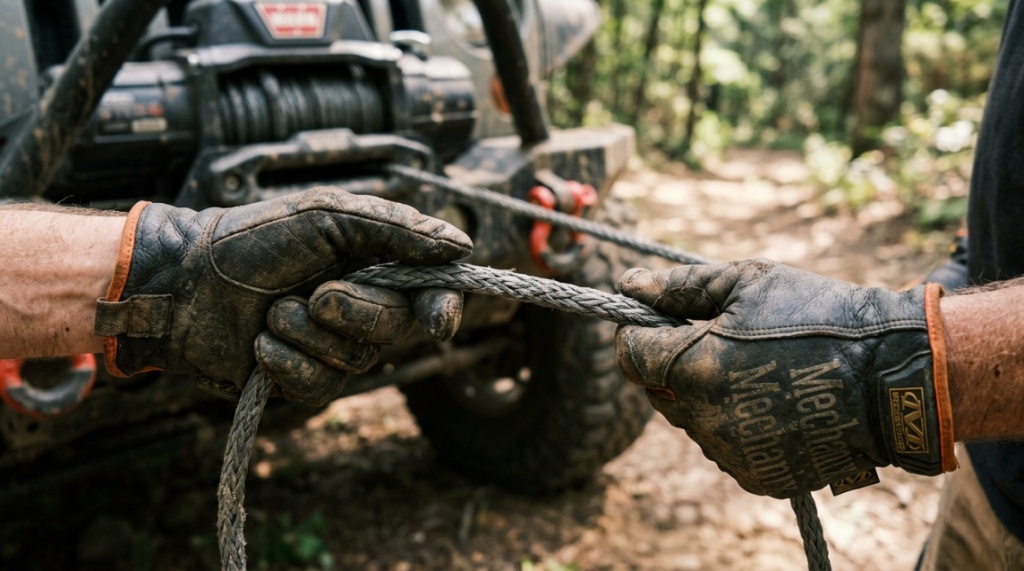
You invested good money in Amsteel rope because you wanted something stronger, lighter, and easier to handle than wire or polyester. But nothing stings more than seeing your expensive synthetic line fray, chafe, or lose strength after only a few trips. You need real-world strategies—not generic advice—that actually work. The good news is that Amsteel rope can deliver years of reliable service if you understand its weaknesses and respond accordingly. In this guide, you will discover exactly how to make Amsteel rope last longer using techniques the pros use every day. Let’s fix the problem before your rope does.
What Is Amsteel Rope and Why Does It Require Special Care?
Understanding the Dyneema Construction
Amsteel is a brand of rope made from Dyneema, an ultra-high-molecular-weight polyethylene (UHMWPE) fiber. It floats, resists UV damage better than nylon or polyester, and has a strength-to-weight ratio that rivals steel cable. However, its unique construction also makes it vulnerable to certain types of damage that traditional ropes handle better.
Why Standard Rope Care Fails for Amsteel
Most rope maintenance advice was written for nylon or polyester. Applying those same rules to Amsteel can actually shorten its life. For example, polyester loves heat and moisture cycles, but Dyneema can suffer internal melting when subjected to friction under high loads. You need a different playbook entirely.
The Real Cost of Neglect
Ignoring proper care for Amsteel rope can lead to sudden, catastrophic failure. Because Dyneema has high stiffness, it doesn’t show obvious warning signs like fraying as quickly as softer fibers. A rope that looks fine might already have lost 50 percent of its breaking strength due to hidden internal damage.
How Does UV Exposure Affect Amsteel Rope Longevity?
The UV Resistance Myth
Many users assume Amsteel is immune to UV damage because it outperforms nylon in sunlight. While it is more UV-resistant, prolonged direct exposure still degrades the outer coating and can embrittle the fibers over time. The better strategy is to store your rope out of direct sunlight when not in use.
Best Storage Practices for UV Protection
Keep Amsteel coiled loosely in a dry bag or a dark, ventilated container. Avoid leaving it on deck or in the bed of a truck under direct sun for weeks at a time. A simple rope bag from a chandlery can extend your rope’s life by years.
What to Look for During UV Inspection
Check for a chalky white residue on the surface, which indicates fiber breakdown. Also look for stiff spots where the rope feels brittle rather than flexible. If you see either, retire that section immediately.
Why Does Heat and Friction Destroy Amsteel Faster Than Other Ropes?
The Melting Point Problem
Dyneema has a melting point around 284°F (140°C), which is lower than polyester or nylon. When Amsteel runs over a winch, through a block, or across a sharp edge under load, the localized heat can exceed that threshold and fuse fibers together internally.
How to Prevent Heat Damage During Use
Use a soft shackle or a thimble at connection points to reduce pinching. Avoid high-speed winching with Amsteel—pull slowly and steadily. If you feel heat on the rope surface, you are already damaging the core. Slow down or use a different line for that application.
Identifying Heat-Damaged Sections
Heat-damaged Amsteel feels stiff and may have a shiny, glazed appearance. It might also show discoloration, turning slightly brown or yellow. Flexible sections adjacent to stiff sections indicate a localized heat event that compromised that zone.
Can You Prevent Chafe and Abrasion Damage on Amsteel?
Where Chafe Happens Most
Chafe damage on Amsteel typically occurs at contact points: chocks, fairleads, tree trunks, dock edges, and sharp rock faces. The fiber’s high cut resistance helps, but repeated abrasion in one spot will eventually wear through the jacket and damage the core.
Practical Chafe Protection Techniques
Wrap the rope with chafe guards, nylon webbing, or old fire hose sections at known contact points. For tree anchors, always use a tree strap instead of wrapping Amsteel directly around the bark. For marine use, install roller fairleads instead of fixed ones to reduce friction.
When to Replace a Chafed Section
If you can see exposed core fibers or if the jacket is worn down to less than 50 percent of its original thickness, cut out the damaged section and splice in a new eye. Never try to patch a rope—the strength comes from continuous fibers. When preparing your rigging setup or trimming protective sleeves, ensure precision by learning how to get smooth cuts with cheap jig saw.
What Is the Correct Way to Store Amsteel Rope for Maximum Lifespan?
Coiling vs. Flaking vs. Bagging
Amsteel has low stretch, so it does not hold a coil well under tension. The best storage method is to flake it loosely into a rope bag or coil it in large, loose loops without cinching. Tight coils can create kinks that become stress points later.
Environmental Conditions to Avoid
Store Amsteel in a cool, dry place away from direct heat sources, chemicals, and battery terminals. Avoid storing it in direct contact with rubber, as some rubber compounds can degrade the Dyneema fibers over months of contact.
How Long Can Properly Stored Amsteel Last?
With proper care, Amsteel rope stored indoors and used only occasionally can last over 10 years. For ropes used frequently in harsh conditions, expect 3–5 years of reliable service before you should consider replacement.
How Often Should You Inspect Amsteel Rope?
Daily Pre-Use Checks
Before every use, run your hand along the entire length of the rope. Feel for soft spots, lumps, or stiff sections. Visually inspect for surface damage, discoloration, or unusual wear patterns.
Monthly Detailed Inspection Routine
Once a month, or after any heavy load event, perform a thorough inspection. Uncoil the entire rope and look for broken fibers, flattened sections, or changes in diameter. Use a magnifying glass if you suspect damage.
When to Retire Rope Based on Use Cycles
Track how many times the rope has been loaded to near its working load limit. Most manufacturers recommend retiring Dyneema rope after 50 high-load cycles or after any single overload event exceeding the rope’s breaking strength.
Which Splicing Technique Extends the Life of Your Amsteel Rope?
Why Splices Matter More Than Knots
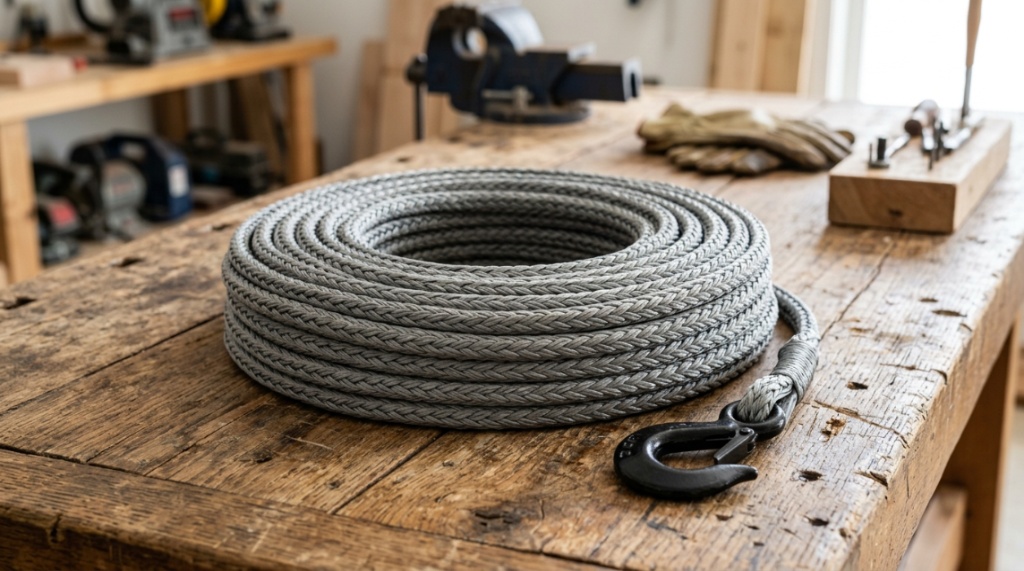
Knots reduce the strength of Amsteel by 50–70 percent, while a proper splice retains 90–100 percent of the rope’s original strength. If you want to make Amsteel rope last longer, learn to splice it correctly. This single skill is the most impactful thing you can do for rope longevity.
Buried Splice vs. Brummel Splice
For general use, a long buried splice works best. For soft shackles, a Brummel splice is stronger. Practice on scrap pieces until your splices look clean and feel smooth. A poorly done splice creates stress risers that fail prematurely.
Common Splicing Mistakes That Shorten Rope Life
Cutting fibers during the taper, not burying enough tail length, and using too much tension during the bury are the top three mistakes. Each reduces splice strength and introduces points where damage starts.
Can You Clean Amsteel Rope Without Damaging It?
What Cleaners Are Safe for Dyneema
Use only fresh water and mild dish soap. Avoid bleach, solvents, detergents with optical brighteners, and any petroleum-based cleaners. These chemicals can penetrate the fiber and reduce break strength over time.
Step-by-Step Cleaning Process
Submerge the rope in a bucket of cool water with a small amount of mild soap. Gently agitate by hand. Do not scrub with a brush—that abrades the outer jacket. Rinse thoroughly with clean water until no soap remains. Hang to dry away from direct heat.
How Often to Clean for Best Results
Clean your Amsteel rope only when it is visibly dirty or contaminated with salt, mud, or chemicals. Over-cleaning with abrasive methods does more harm than good. For most recreational users, once or twice per season is sufficient.
What Are the Most Common Mistakes That Shorten Amsteel Rope Life?
Using Wire Rope Fittings on Synthetic Rope
Steel thimbles, clips, and ferrels designed for wire rope will crush and cut Amsteel fibers. Always use synthetic-compatible hardware with smooth, rounded edges. Soft shackles and Dyneema-friendly thimbles are better options.
Over-Tensioning the Rope During Storage
Cranking Amsteel tight on a winch or tying it off under high tension for long periods creates permanent set and micro-cracks in the fibers. Store it loose, store it dry, and let it relax between uses.
Ignoring Manufacturer Recommendations
Each manufacturer has specific guidelines for their rope. Different Dyneema blends (DM20, SK78, etc.) handle heat and bending differently. Follow the specs for your exact rope model, not generic internet advice.
Comparison Table: Amsteel Care Best Practices vs. Common Mistakes
| Aspect of Care | Best Practice | Common Mistake |
|---|---|---|
| Storage method | Loose coil in rope bag, dark & dry | Tight coil under tension in sun |
| UV protection | Store indoors when not in use | Leave on deck for weeks |
| Termination | Proper splice (90%+ strength) | Knots (50% strength loss) |
| Cleaning | Mild soap, cool water, gentle agitation | Bleach, scrub brush, machine wash |
| Chafe prevention | Use chafe guards, tree straps, roller fairleads | Direct wrap on rocks or steel edges |
| Inspection frequency | Pre-use visual & tactile check | Inspect only after a failure |
Frequently Asked Questions
Can Amsteel rope be repaired if it gets damaged?
No, you cannot repair damaged sections. You should cut out the compromised area and splice in a new eye or re-terminate the rope. Patching or taping only hides the damage and creates a weak point.
Is Amsteel rope safe for winching?
Yes, but only if you use a winch specifically designed for synthetic rope. Steel winch drums with sharp edges or improper grooves will cut Amsteel. Always use a fairlead designed for Dyneema.
Does Amsteel rope stretch under load?
Amsteel has extremely low stretch—typically less than 1% at working loads. While this makes it excellent for static applications like towing, it means the rope does not absorb shock loads well. Use a shock absorber for dynamic loads.
Can Amsteel rope get wet and still perform?
Yes, Dyneema does not absorb water, so the rope retains full strength when wet. However, wet ropes are more susceptible to abrasion from grit and dirt. Rinse and dry before storing.
How do I know the working load limit of my Amsteel rope?
Check the manufacturer’s tag or datasheet. A common rule of thumb is that the working load limit is 10–20% of the breaking strength. For example, a 1,000-pound breaking strength rope should not be used above 150–200 pounds for repeated use.
Is it safe to use Amsteel rope for climbing or life support?
No. Amsteel is not designed for life-support applications. It lacks the shock absorption and dynamic properties required for climbing, rescue, or any application where human safety depends on the rope.
What is the best way to cut Amsteel rope without fraying?
Use a hot knife or a soldering iron to melt and seal the ends simultaneously. A cold cut will unravel quickly. Always melt-seal the ends immediately after cutting.
Conclusion
Making Amsteel rope last longer comes down to understanding what makes it different—and treating it accordingly. You now know that UV protection, heat management, proper storage, chafe prevention, and correct splicing are the five pillars of longevity. Skip any one of these, and you will be shopping for new rope sooner than necessary. Start with the inspection routine tomorrow. Clean your rope only when it is dirty. Learn that splice if you have not already. Your wallet—and your safety—will thank you. Take these lessons to the field and watch your Amsteel deliver the performance you paid for, season after season.