
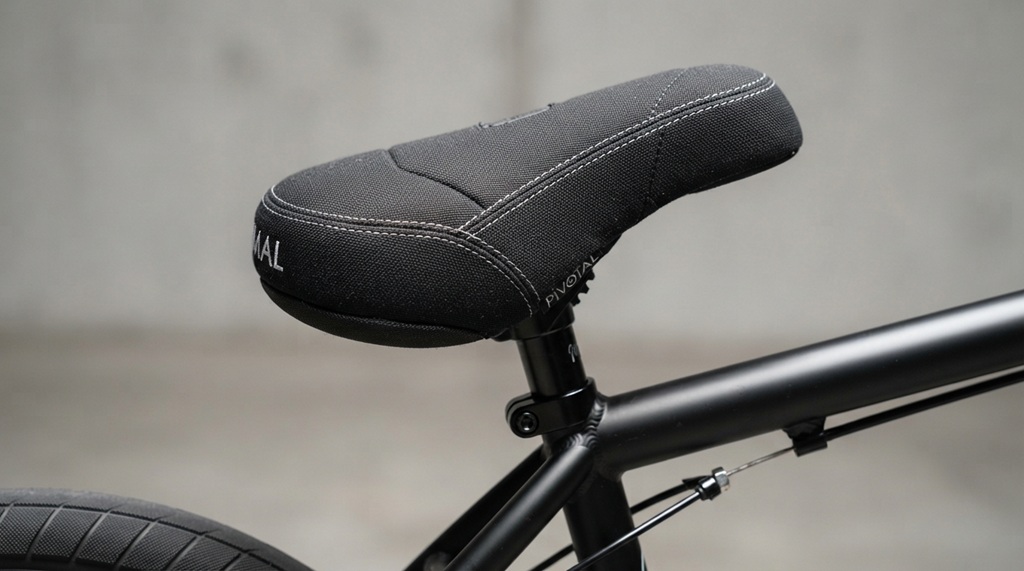
If you’ve ever spent more than twenty minutes on a stock BMX seat, you already know the problem. Your hands go numb, your sit bones ache, and you start standing up even when you don’t need to just to get some relief. The truth is, most factory BMX seats are designed for lightweight tricks and quick hops, not for actual sitting. Whether you’re cruising the streets, commuting to work, or just want to rest between sets at the skatepark, finding a comfortable BMX bike seat changes the entire experience. This guide breaks down exactly what to look for, what to avoid, and how to match a seat to your riding style without wasting money on the wrong shape.
Key Takeaways
- Seat comfort starts with measuring your sit bone width, not just picking the widest pad you can find.
- Material matters: leather and synthetic covers offer very different break-in periods, durability, and weather resistance.
- Your riding style should dictate the seat shape—street, park, race, and cruiser riders all need different profiles.
- Rail material and mounting style affect how much flex your seat has and whether it fits your existing seat post.
- Padding depth is less important than the combination of shell flex, base design, and cover material.
Why Stock BMX Seats Are So Uncomfortable
Stock BMX seats are built with one primary goal: staying out of the way during tricks. Manufacturers shave weight, use hard plastic bases, and add minimal foam because riders spend most of their time standing. When you actually sit down, the hard shell transfers every bump directly to your pelvis. The narrow nose that helps you grip the seat between your legs for barspins also digs into your thighs when you’re riding normally.
The issue isn’t that you’re weak or that all BMX seats are terrible. It’s that stock seats are engineered for a specific purpose—trick performance—and comfort simply isn’t part of that equation. Once you understand this, you can stop trying to make your stock seat work and start looking for a seat that fits your actual riding habits. The good news is that the aftermarket seat market has evolved significantly in recent years, offering multiple comfort-focused options that still look and perform well on a BMX bike.
How to Measure for the Right Seat Width
The most common mistake riders make is assuming wider always means more comfortable. That’s not true. A seat that’s too wide for your pelvis creates friction on your inner thighs and can actually cause more discomfort than a narrower seat with the right shape.
Your sit bones—the two rounded bones at the base of your pelvis—are what carry your weight when you’re seated. The ideal seat width is roughly 10 to 15 millimeters wider than the distance between your sit bones. This gives you a stable platform without excessive width that interferes with leg movement.
Quick Home Measurement Method
You can measure your sit bone width at home with a simple method. Place a piece of corrugated cardboard on a hard, flat surface. Sit on it in a normal upright position with your feet flat on the floor. Lean forward slightly as if you were reaching for your handlebars, then stand up carefully. The indentations left in the cardboard mark your sit bone spacing. Measure the distance between the centers of those two indentations with a tape measure. That’s your approximate sit bone width.
Most men fall between 100 and 140 millimeters, while most women fall between 110 and 150 millimeters. If you’re on the wider end of that spectrum, you’ll likely need a wider seat platform. If you’re on the narrower side, a mid-width or slim seat will serve you better.
Seat Shapes and Riding Styles
Your riding style matters more than almost any other factor when choosing a comfortable BMX bike seat. A seat that feels great for street riding might be miserable for long-distance cruising, and vice versa.
Street and Park Riding
If you spend your time at skateparks or riding street obstacles, you need a seat that allows freedom of movement. Park riders often prefer seats with a slightly shorter nose and a curved profile that lets them rotate the bike easily during tricks. Look for a seat with a durable cover that can handle the seat being dragged across concrete or rails. Padded seats in this category tend to be thicker but still compact enough to tuck under your arm during barspin variations.
Race and Dirt Jump
Racing seats are typically longer and narrower than street seats. This shape allows racers to move forward and back on the saddle during acceleration and landing. Dirt jumpers often run similar profiles because they need to grip the seat between their knees during whips and other big-air maneuvers. Comfort matters here, but less so than maneuverability and weight.
Cruising and Commuting
If you’ve switched to a BMX for everyday riding—commuting, cruising neighborhoods, or running errands—your priorities shift dramatically. You want a wider platform, more padding, and a cover material that holds up to daily use in varying weather. These seats often look similar to cruiser or comfort bike saddles but with a BMX-style mounting system. They’re heavier and bulkier than trick-focused seats, but they’re a different tool for a different job.
Finding the right comfortable BMX bike seat is really about being honest about how you ride most often. If you’re doing a 50/50 split between tricks and casual riding, you may need to pick one priority and accept the trade-offs.
Seat Materials and What They Actually Mean
Materials get thrown around casually in product descriptions, but they make a massive difference in how a seat feels over time and how long it lasts.
Cover Materials
Leather is the gold standard for comfort. It molds to your sit bones over time and develops a personalized fit that no synthetic material can replicate. The downsides are cost, weight, and the need to keep it conditioned. Full-grain leather seats also require a break-in period of several weeks before they feel genuinely comfortable.
Synthetic covers like vinyl, microfiber, or nylon are more practical for most riders. They’re lighter, cheaper, and require zero maintenance. High-quality microfiber feels surprisingly close to leather while being more resistant to scuffs and water damage. Vinyl is the most common on budget seats and tends to get sticky in hot weather and stiff in cold weather.
Perforated or textured covers help with grip. If you ride park or street, you want a cover that keeps you in place when you’re shifting weight around. Smooth, slick covers cause you to slide forward on landings, which gets annoying fast.
Padding and Base Construction
Thicker foam padding sounds like the answer to all your problems, but it’s not that simple. Low-density foam compresses quickly and bottoms out on hard landings. High-density foam provides better support with less bulk and maintains its shape for years.
The base structure matters just as much. A flexible nylon or carbon fiber base absorbs road vibration and small impacts. A rigid plastic base transfers every shock directly to your body. Some seats use a dual-density base design with a stiffer outer edge and more flexible center, which provides support where you need it and flex where it helps.
Rails and Mounting Compatibility
Before you fall in love with a seat, verify that it will actually fit your bike’s seat post. This is a surprisingly common issue, especially when riders buy seats without checking the rail type.
Rail Types
Steel rails are heavy but nearly indestructible. They’re standard on budget and mid-range seats and work fine for almost all riding.
Chromoly rails are lighter than standard steel while maintaining the same strength. They’re the most common upgrade on mid-range seats and are a good sweet spot for weight and durability.
Hollow titanium or aluminum rails are the lightweight premium option. They can shave a significant amount of weight off your bike, but they’re more expensive and can bend under very heavy landings if you’re a larger rider.
Mounting Styles
Standard BMX seats use a two-rail system that clamps onto the seat post. This is what you’ll find on 95% of BMX bikes. However, some older or budget bikes use a single-bolt clamp system. If you’re buying a used seat, check that the rails aren’t bent at the gripping points where they attach to the seat post. Even slightly bent rails make it impossible to secure the seat at the right angle without it slipping.
Angle adjustment is another overlooked factor. A seat that’s angled too far forward puts pressure on your hands and arms. A seat angled too far back causes you to slide forward and puts strain on your lower back. Start with the seat level and adjust in small increments based on how it feels on actual rides.
Common Mistakes to Avoid When Choosing a BMX Seat
Even seasoned riders frequently overlook key ergonomic factors when upgrading their saddle, leading to premature fatigue and avoidable discomfort during long park sessions. While dialing in the perfect seat setup drastically improves your overall ride quality, upgrading your bike is only one part of a great session—ensuring proper impact protection is equally vital when attempting new tricks. Before rolling out, explore our guide on how to get the best value bike and skate helmet to get best value bike and skate helmet 2026 to ensure your safety gear matches your bike’s performance.
Ignoring Seat Post Clamp Style
Some seats come with an integrated post clamp, meaning the seat is designed to attach to a specific type of seat post. If you already have a lightweight aftermarket post, buying a seat with an integrated clamp means buying a new post too. Check compatibility before you order, not after.
Buying a Wider Seat Than You Need
It’s tempting to buy the biggest, plushest seat you can find, especially if you’re dealing with chronic discomfort. But overly wide seats cause chafing on the inside of your thighs, especially when you’re pedaling. The friction can lead to skin irritation that’s just as uncomfortable as the original pain. Measure first, then choose.
Choosing Style Over Function
That all-white leather seat with the embossed logo looks incredible in photos. In real life, white seats show every scuff, stain, and tire mark within a week. If you ride in dusty or dirty conditions, darker colors and textured materials are far more practical. A seat that looks great but wears out quickly isn’t a smart purchase.
Break-In Period and Expectations
Some seats are comfortable from the first ride. Others need a break-in period. Understanding which you’re buying prevents disappointment.
Foam-padded seats with synthetic covers are generally comfortable immediately. They don’t change much over time, so what you feel on the first ride is roughly what you’ll feel for the life of the seat. This makes them the safer choice if you’re unsure about sizing.
Leather seats are a different story. They start stiff and sometimes feel even worse than your stock seat for the first week or two. But as the leather stretches and conforms to your body shape, they become significantly more comfortable than any foam seat. The break-in process can be accelerated by applying leather conditioner and flexing the seat by hand, but there’s no true shortcut. Budget for a few uncomfortable rides if you’re going the leather route.
How Much Is a Comfortable BMX Seat Worth?
Prices for aftermarket BMX seats range from around $20 for basic foam models to well over $150 for premium leather or carbon fiber options.
At the budget end, you’re getting adequate padding and a durable cover but likely a hard base and minimal shape engineering. These seats work well if you’re mostly riding street tricks and only sit occasionally.
Mid-range seats, typically between $40 and $80, offer the best value. You get better base construction, more thoughtful material choices, and a shape that’s actually designed for sitting. Most riders will find everything they need in this price range.
Premium seats above $80 are about weight savings, premium materials, and specialized construction. They’re worth it if you’re building a lightweight race bike or want the long-term comfort of a high-quality leather seat. For casual riders, the price jump rarely justifies the benefit.
Testing Your Seat Before Committing
Shop policies vary, but many bike shops will let you sit on a seat or even take a short test ride. If you’re buying online, measure twice and check the return policy before you order. A seat that’s wrong for you isn’t just a minor inconvenience—it can make riding so unpleasant that you stop riding altogether.
When you first install your new seat, give yourself a fair evaluation period. Ride for at least three sessions before deciding whether to keep it or return it. The first ride on any new seat feels slightly different simply because your body is adjusting to a new shape. Short-term evaluation leads to returned seats that might have been perfectly fine with a little patience.
Frequently Asked Questions
What is the best material for a comfortable BMX bike seat?
High-density foam with a microfiber or leather cover provides the best combination of support and durability. Leather offers the best long-term comfort because it molds to your body, while microfiber is more practical for riders who deal with weather and dirt.
Do wider BMX seats always feel more comfortable?
No. Seat width should match your sit bone spacing. A seat slightly wider than your sit bones distributes weight correctly. A significantly wider seat causes chafing on your inner thighs and can interfere with pedaling freedom.
How long does a leather BMX seat take to break in?
Most leather seats need one to three weeks of regular riding to soften and conform to your body shape. Using a leather conditioner and flexing the seat manually can speed up the process. If a leather seat still feels stiff after a month, it’s likely the wrong shape for your anatomy.
Can I put a bigger seat on my BMX without changing the seat post?
Yes, as long as the seat uses the same two-rail mounting system as your current seat post. Almost all aftermarket BMX seats use standard rails. Check the seat post clamp style if you’re unsure about compatibility with your specific bike.
Why does my BMX seat hurt even though it has enough padding?
Padding depth isn’t the only factor. The base material underneath the padding determines how much vibration passes through. A seat with a rigid plastic base will feel hard regardless of padding thickness. Look for a seat with a flexible nylon or composite base if you’re experiencing this issue.
Should I replace the seat post too when I buy a new seat?
Only if your current seat post has a different clamp style, is bent, or doesn’t allow the level of angle adjustment you need. Otherwise, the seat post doesn’t significantly affect comfort and doesn’t need to be replaced.
Conclusion
Choosing a comfortable BMX bike seat comes down to matching three things: your sit bone width, your riding style, and the material properties that fit your environment. Measure your sit bones before you shop, be honest about whether you’re a trick rider, racer, or casual cruiser, and don’t assume that more padding equals more comfort. Budget around $40 to $80 for a seat from a reputable brand, check the rail compatibility with your seat post, and give yourself a few rides to fairly judge any new seat. The right seat turns a bike you tolerate into a bike you genuinely enjoy riding for hours.