
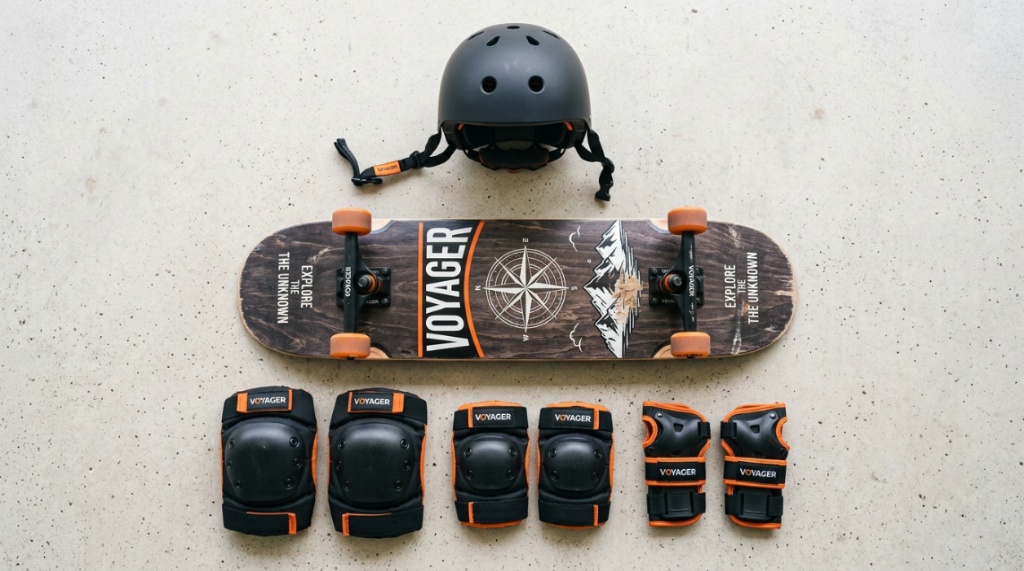
You just bought a fresh Voyager deck, and you’re stoked—until your foot slips during your first ollie. That terrifying moment tells you what you already suspect: the wrong grip tape ruins everything. Finding the best Voyager skateboards grip tape isn’t just about sticking something black on your board. It’s about matching your riding style, avoiding peeling edges, and getting traction that lasts. Whether you’re cruising Florida boardwalks or learning kickflips at the local park, this guide walks you through every detail—from grit levels to installation—so you never second-guess your setup again.
What Makes Grip Tape for Voyager Skateboards Different?
The Role of Deck Shape and Concave Profile
Voyager skateboards often use a medium to deep concave profile. Standard grip tape sheets are cut for generic popsicle shapes, but Voyager’s unique nose and tail curves demand a precise fit. If you cut your grip too wide, it bubbles over the edges and catches dirt. Too narrow, and you lose traction on maneuvers. Look for grip tape that is pre-cut for Voyager decks or sheets large enough (usually 9 x 33 inches) to trace your specific outline.
Grip Tape Grit Levels Explained
Grip tape uses silicon carbide or aluminum oxide particles. Silicon carbide offers a rougher, more aggressive bite—ideal for technical street skating where foot lock is critical. Aluminum oxide wears down slower and stays grippy longer, which suits ramp skating. For most Voyager riders, a medium-grit silicon carbide tape provides the best balance of grip and shoe life. Avoid extra-coarse tapes if you skate switch frequently, as they can shred your suede too fast.
Why Voyager-Specific Grip Tape Matters
Some companies produce generic tape that peels at the edges after two sessions. Voyager-compatible grip tape often includes a stronger adhesive backing designed for maple and bamboo decks (common in Voyager models). The adhesive must withstand Florida’s humidity without lifting. A good rule: if the tape feels stiff and the paper backing peels cleanly in one sheet, the glue quality is high.
How Do You Choose the Right Grip Tape for Your Voyager Deck?
Match Grip Tape to Your Riding Style
Street skaters who flip their boards frequently need grip tape that provides consistent tackiness without being overly aggressive. Vert and transition skaters benefit from a slightly coarser tape that helps lock in during airs. Cruisers and commuters often prefer a smoother grip that allows slight foot adjustments without catching. Ask yourself: do you prioritize board feel or maximum stickiness?
Check the Perforation Patterns
Perforated grip tape has tiny holes that allow air bubbles to escape during installation. This prevents bubbles under your feet that cause dead spots. Some perforated tapes also reduce overall weight slightly—not much, but every gram counts in flip tricks. If you’re buying pre-cut Voyager grip tape, verify the perforation density. Denser perforations (more holes per square inch) make installation easier for beginners.
Consider Color and Graphic Compatibility
While black is classic, colored and clear grip tapes let your Voyager deck’s artwork shine through. Clear grip tape offers a unique look but often sacrifices adhesion because the transparent layer uses different glue chemistry. If you want to show off your deck graphic, opt for a high-quality clear grip from brands that specialize in transparent sheets. Otherwise, black grip tape remains the most durable and reliable choice.
Which Brands Offer the Best Grip Tape for Voyager Skateboards?
Mob Grip Tape: The Industry Standard
Mob grip tape is known for its ultra-aggressive silicon carbide grit. It provides the highest friction of any major brand, making it ideal for street skaters who need absolute foot lock. Mob also uses a proprietary adhesive that bonds aggressively to wood decks. The downside: it chews through shoes faster than competitors. If you prioritize grip longevity over shoe savings, Mob is your pick.
Jessup Grip Tape: The Smooth Operator
Jessup uses a finer grit that feels less abrasive while still providing reliable traction. It’s a favorite among vert and minuramp skaters because it allows subtle foot adjustments without resistance. Jessup also offers a lighter adhesive that is easier to remove when you need to regrip. For Voyager riders who swap decks often, Jessup minimizes residue clean-up.
Shake Junt Grip Tape: Durability and Style
Shake Junt combines medium-grit silicon carbide with a bold branding and perforation pattern. Their tape resists peeling even in humid climates, which matters if you skate near water. Shake Junt also produces licensed graphic sheets that match popular Voyager art collections. The trade-off: their tape is slightly thicker, which can alter board feel for riders used to ultra-thin grip.
How Should You Install Grip Tape on Your Voyager Deck?
Gather the Right Tools
You need a fresh razor blade, a file or sandpaper block, and a hard plastic card (like an old gift card). Avoid using scissors for the initial cut—razor blades provide cleaner edges. Also, work on a flat surface with good lighting. A simple step overlooked by many: wipe your deck clean with rubbing alcohol before peeling the backing paper. Oils from your hands reduce adhesion.
Step-by-Step Installation Process
First, peel the backing paper about halfway and align the tape’s center with your deck’s center. Slowly lay the tape down while pushing air outward with the plastic card. Once the tape is fully applied, run the card firmly over the entire surface to bond the adhesive. Next, use a razor blade to score along the deck’s edge at a 45-degree angle—this creates a clean cut line. Finally, file the edges with a sandpaper block to prevent tearing. Avoid using a screwdriver or drill bit to poke holes; perforated tape removes that need.
Common Installation Mistakes to Avoid
Pressing the tape down before aligning it perfectly causes wrinkles that trap air. Cutting the tape flush with the deck edge without filing leaves sharp points that peel upward. Applying tape in a humid room reduces adhesive strength. Also, don’t install grip tape over paint or stickers—the glue won’t bond securely. If your Voyager deck has a painted top ply, lightly sand it first for better adhesion.
How Does Humidity Affect Voyager Grip Tape Performance?
Why Florida’s Climate Demands Special Attention
Humidity weakens grip tape glue over time. In Florida’s subtropical environment, standard adhesives can fail within weeks. Moisture seeps under the tape edges, causing peeling and bubbles. The best Voyager skateboards grip tape for humid regions uses high-tack adhesive with moisture-resistant properties. Check product descriptions for “water-resistant” or “humidity-proof” labels.
Storage Tips to Prolong Grip Life
Keep your board indoors when not riding. Leaving it in a hot car trunk or garage accelerates adhesive breakdown. If you must skate in the rain, dry your board immediately and avoid storing it in a closed bag where moisture collects. Applying a light coat of grip tape cleaner (a rubber block) once a month removes dirt buildup that traps humidity.
When to Replace Grip Tape in Humid Conditions
If you notice the edges lifting, the grip feeling slippery, or visible rust on the hardware underneath, replace the tape immediately. Most skaters in humid regions regrip every 4-6 weeks. Riding on worn grip tape compromises foot placement and increases the risk of bailing on tricks. Better to replace early than risk injury.
Can Colored or Clear Grip Tape Compete with Black Grip Tape?

Performance Trade-offs of Clear Grip Tape
Clear grip tape typically uses a polyurethane base rather than the standard silicon carbide. This makes it less aggressive and slightly slippery when wet. The adhesive layer is also more visible if it bubbles. Clear tape suits cruisers and longboards where hardcore grip is unnecessary, but for street or park skating, black tape outperforms it consistently.
Colored Grip Tape: Style vs. Substance
Colored grip tapes use dyed silicon carbide. The dye doesn’t affect grip performance significantly, but cheaper brands use low-quality dye that fades after a few sessions. Red, blue, or green tape looks great fresh but may lose color unevenly. If you want color, choose a reputable brand like Grizzly or Mob that uses UV-resistant dyes. Avoid neon colors—they fade fastest.
Mixing Grip Tape Colors for Visual Effect
Some skaters cut strips of colored tape and combine them into geometric designs. This works as long as you overlap edges carefully and seal them with extra file work. The downside: multiple seams create weak points where peeling starts. For a clean look, stick with one color per grip job.
How to Extend the Life of Your Voyager Grip Tape?
Clean Grip Tape the Right Way
Use a stiff-bristle brush (a toothbrush works) to scrape dirt and dust from the grip surface. Avoid water—wet grip tape loses adhesion. If the tape gets muddy, let it dry completely, then brush off the dried mud. Never use solvents or cleaners that can dissolve the adhesive backing. A rubber grip cleaner block removes embedded grit without damaging the tape.
Prevent Edge Peeling Proactively
Apply a thin layer of super glue along the edges of freshly installed grip tape. Dabbing a tiny amount under any lifting edges stops them from spreading. Alternatively, use a small piece of clear packing tape over the edges for a temporary fix. This trick gives you an extra week or two before needing a full regrip.
Before heading out to the skatepark, safety always comes first. Make sure your head is fully protected by checking out our guide on how to get the best value bike and skate helmet 2026 before you ride.
Rotate Your Deck to Distribute Wear
If you skate primarily with one foot forward, grip tape wears unevenly. Rotate your deck every few sessions to balance the wear pattern. This is especially useful for Voyager decks with symmetrical shapes. You’ll notice the grip stays consistent longer when both sides see equal use.
When Should You Replace Grip Tape on a Voyager Skateboard?
Visual and Tactile Warning Signs
Shiny spots on the grip tape indicate that the grit has worn flat. If you can slide your hand across the surface with little resistance, it’s time for new tape. Also watch for color fading or white patches from grit loss. A simple test: stand on your board and try to shuffle your front foot. If it moves easily, replace the tape.
Performance Indicators While Skating
If you find yourself slipping during ollies or having to readjust your stance mid-trick, the grip is failing. You might also notice that your shoes slide during power slides, which is dangerous. Don’t wait until you eat pavement to make a change. Proactive replacement keeps your skating consistent and safe.
How Often Do Pro Skaters Regrip?
Most professional skaters regrip every two to four weeks, depending on session frequency. Amateurs who skate two to three times per week should regrip every six to eight weeks. If you skate daily or in rough terrain, shorten that window to three weeks. Track your sessions mentally—when the board starts feeling “off,” it’s usually the grip tape.
Frequently Asked Questions
Does grip tape ruin skate shoes?
Yes, grip tape wears down shoe soles over time. Softer rubber outsoles wear faster than harder compounds. Choosing medium-grit tape and rotating your shoe rotation extends shoe life. You can also apply grip tape guards (thin plastic shields) to the heel and ball of your shoes for extra protection.
Can I use the same grip tape on a Voyager cruiser and a Voyager street deck?
Technically yes, but the performance differs. Cruisers benefit from less aggressive grip because you reposition your feet often. Street decks need maximum bite for flip tricks. Keep a separate grip tape preference for each deck type to avoid compromising your setup.
What is the best way to remove old grip tape?
Use a hairdryer or heat gun on low to warm the tape for 30 seconds. This softens the adhesive, allowing you to peel the tape off in one piece. For stubborn residue, apply rubbing alcohol or goo remover and scrape with a plastic razor blade. Never use metal tools that can scratch the deck’s top ply.
Is pre-cut Voyager grip tape worth the extra cost?
Pre-cut tape saves time and reduces waste. If you lack confidence in cutting perfect curves, it’s worth the premium. However, generic sheets cost less and let you customize the shape. Most skaters prefer generic sheets once they master the cutting process.
Can grip tape affect my board’s pop?
Grip tape adds minimal weight—usually less than 10 grams. This does not impact pop noticeably. However, extremely thick grip tape can slightly dampen the deck’s vibration. Ultra-thin tapes like Mob preserve the board’s natural pop better than thicker alternatives.
How do I fix air bubbles under my grip tape?
Poke the bubble with a pin to release trapped air, then press the tape down firmly with a plastic card. If the bubble persists, heat the area with a hairdryer and press again. For large bubbles, lift the tape from the nearest edge and reapply that section with new adhesive spray.
Does grip tape expire?
Yes. Unused grip tape sheets can lose adhesive strength after 12-18 months, especially if stored in warm or humid environments. Check the manufacturing date on the package. Fresh tape peels cleanly from its backing and adheres instantly. Old tape feels brittle or leaves residue on your fingers when touched.
Final Thoughts on Finding the Best Voyager Grip Tape
You don’t need to overthink grip tape—but you should think about it. The right choice depends on your climate, riding style, and how often you skate. For Voyager decks, prioritize quality adhesive, proper grit match, and correct installation. Whether you grab Mob for raw grip or Jessup for smooth control, your setup will feel locked in. If you’re skating in Florida’s humidity, choose moisture-resistant tape and store your board indoors. Now go grab a fresh sheet, install it carefully, and enjoy the confidence of a board that won’t slip when you need it most. Your next trick depends on it.