Key Takeaways
- Loves Park vehicles encounter major seasonal swings, from salt and slush to heat, sun, rain, and road debris.
- Routine washing, tire checks, clean glass, and seasonal inspections support both appearance and safe driving.
- Winter underbody cleaning is important because salt and moisture collect around wheels, lower panels, and seams.
- Surface protection is most effective when paint and trim are cleaned and corrected first.
- Preparing before each season is usually simpler and less costly than reacting after visible damage appears.
Drivers in Loves Park, Illinois, ask a lot of their vehicles. A single year can bring snow-covered streets, road salt, spring rain, humid summer heat, gravel, pollen, and long weekend drives around the Rockford area. Building a practical protection routine helps preserve appearance, improve comfort, and catch small issues before they become expensive repairs. Services such as ceramic coating for cars in Loves Park, IL can fit into that routine, but they work best alongside consistent cleaning and seasonal inspections. A full-year plan does not require treating every vehicle like a show car. It means focusing on the parts that work hardest in northern Illinois conditions, including paint, wheels, glass, tires, lights, wipers, battery connections, and interior surfaces. For commuters, families, and frequent highway travelers, a few timely habits can make daily driving easier in every season.
Why Loves Park Driving Needs a Full-Year Plan
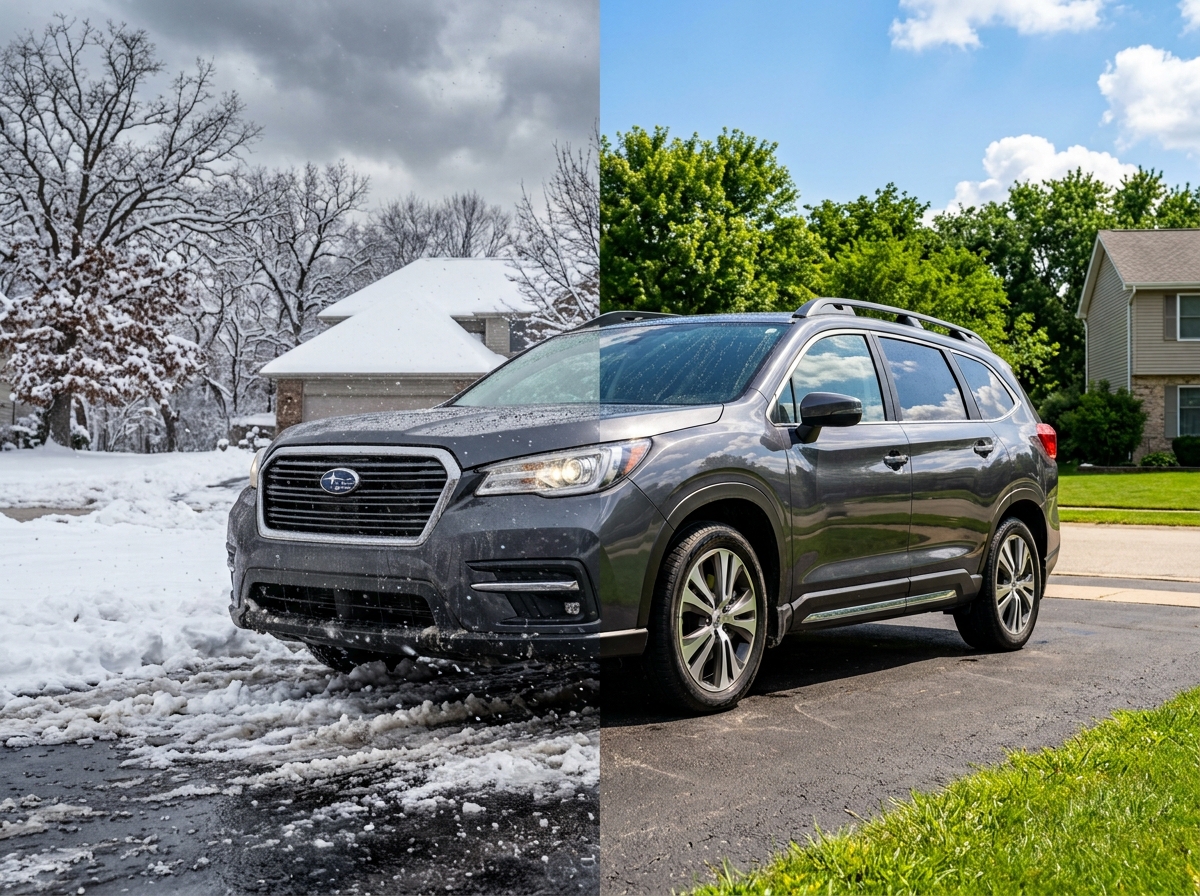
Local driving conditions can change sharply from January to July. A vehicle may face freezing temperatures and treated roads during a morning commute, then spend summer weekends parked in direct sun or traveling on busy highways. Freeze-thaw cycles also expose small paint chips, windshield damage, worn rubber seals, and weak batteries. Appearance care and safety care frequently overlap. Clean windows reduce glare, properly inflated tires improve control, and a protected exterior is easier to wash after muddy rain or road grime. When researching options such as automotive ceramic coating near me, consider your parking habits, annual mileage, and the roads your vehicle travels most often.
Winter Risks: Salt, Slush, Ice, and Cold
Winter is the season that deserves the most attention in Loves Park. Road treatments help maintain traction, but slush and salt residue can cling to rocker panels, wheel wells, brake components, underbody hardware, and liftgate seams. Rinse the lower vehicle and underbody after major salt exposure, especially when temperatures rise enough for a thorough wash.
Winter protection priorities
- Wash behind the wheels and inside wheel wells where packed slush can remain hidden.
- Inspect door jambs, trunk edges, hood seams, and lower panels for trapped grime.
- Use winter washer fluid and replace blades that streak, chatter, or leave untreated areas of glass.
- Check tire pressure regularly when temperatures drop, and inspect the spare tire as well.
- Keep a scraper, warm layers, charger, flashlight, traction material, water, and basic first-aid supplies in the vehicle.
Winter readiness guidance from NHTSA emphasizes tire condition, battery health, lights, wipers, coolant, and emergency supplies. Before a snow event, clear snow and ice from the entire vehicle, allow extra travel time, and avoid crowding plows or relying on cruise control on slick roads.
Spring Reset and Damage Checks
Spring is the right time to uncover what winter left behind. Schedule a deep wash, including the underbody, then inspect the paint under good daylight. Look for gravel chips near the hood, bumper, wheel arches, and rocker panels. Check the windshield glass for small cracks, and examine the lower body areas, exhaust hardware, and fasteners for early signs of corrosion. Also, clean floor mats, carpets, seat tracks, and door sills after months of tracked-in moisture. Taking clear photos after this reset gives you a helpful baseline for your condition before summer travel. It is easier to notice a new chip, fading trim, or developing rust spot when you know what the vehicle looked like a few months earlier.

Summer Heat, Sun, and Road Trips
Summer heat can be tough on dashboards, seats, rubber seals, and exterior finishes. Parking in the shade when possible, using a windshield sunshade, and promptly removing bug residue, bird droppings, and tree sap can reduce long-term staining and surface wear. Clean glass also improves visibility during bright late-afternoon drives.
Before a longer summer drive
- Check tire pressure while tires are cold, then inspect tread and sidewalls.
- Test headlights, brake lights, turn signals, and hazard lights.
- Check coolant, washer fluid, battery terminals, and air-conditioning performance.
- Pack water, a phone charger, simple tools, and emergency supplies.
Fall Preparation Before Freezing Weather
Fall is the time to reverse the summer mindset and prepare for cold weather before the first hard freeze. Test the battery, inspect brakes and tires, confirm that defrosters work properly, and replace worn wipers. Clean the inside of the windshield as carefully as the outside because the low autumn sun can make interior haze surprisingly distracting. Illinois winter driving guidance advises motorists to remove snow and ice before driving, slow down in poor conditions, keep a greater distance from plows, and avoid using cruise control on snowy or icy roads. Those habits pair well with an early-season inspection and fresh exterior protection.
Choosing Surface Protection
No single product is right for every vehicle in Loves Park. Wax is a simple option that requires frequent reapplication. Paint sealants generally last longer, while ceramic coatings can make routine washing easier when they are properly installed and maintained. Paint protection film can be useful on high-impact areas such as the front bumper, hood edge, mirrors, and rocker panels. Preparation matters as much as the protection product. Dirt, oxidation, embedded contaminants, and existing paint defects should be addressed first. Interior protectants can also help reduce staining and wear on fabric, leather, vinyl, and plastic, particularly in vehicles used for kids, pets, work gear, or frequent commuting.
Visibility and Cabin Comfort
Visibility starts with clean glass, reliable wipers, clear headlights, and correctly aimed lighting. Window film may help with summer glare and cabin heat, but drivers should verify Illinois rules before choosing a tint level. No upgrade replaces safe speeds, attentive driving, and a clear windshield during rain, snow, or nighttime travel.
Simple Seasonal Care Calendar
- Winter: Rinse salt from the underbody, monitor tires, check lights and wipers, and maintain an emergency kit.
- Spring: Deep clean, inspect for chips and corrosion, wash mats and carpets, and document vehicle condition.
- Summer: Protect the cabin from heat, remove contaminants quickly, and inspect tires and cooling systems before trips.
- Fall: Test the battery, brakes, defrosters, and wipers, then refresh protection before salt season returns.
Common Mistakes to Avoid
- Waiting until rust or clear-coat failure is obvious.
- Washing visible paint but ignoring the underbody and wheel wells.
- Applying protection to dirty, oxidized, or damaged surfaces.
- Checking tire pressure only after a warning light appears.
- Using household cleaners on automotive glass, leather, or interior plastics.
- Skipping an inspection after a pothole strike, collision, or demanding winter.
Final Checklist
A year-round Loves Park vehicle protection plan can stay simple and practical: wash away winter salt, road grime, pollen, and other buildup; inspect tires, brakes, lights, wipers, and battery; and protect exterior and interior surfaces based on real driving and parking conditions. Prepare for the next season early by checking weather-related wear, refreshing protective products, and addressing small issues before they become larger repairs. Drivers can also adjust cleaning and maintenance frequency based on mileage, outdoor parking, family use, and exposure to changing Illinois weather. Consistent care does not require complicated routines or expensive upgrades. A few repeatable habits can help keep a vehicle safer, cleaner, more comfortable, and easier to maintain throughout 2026.