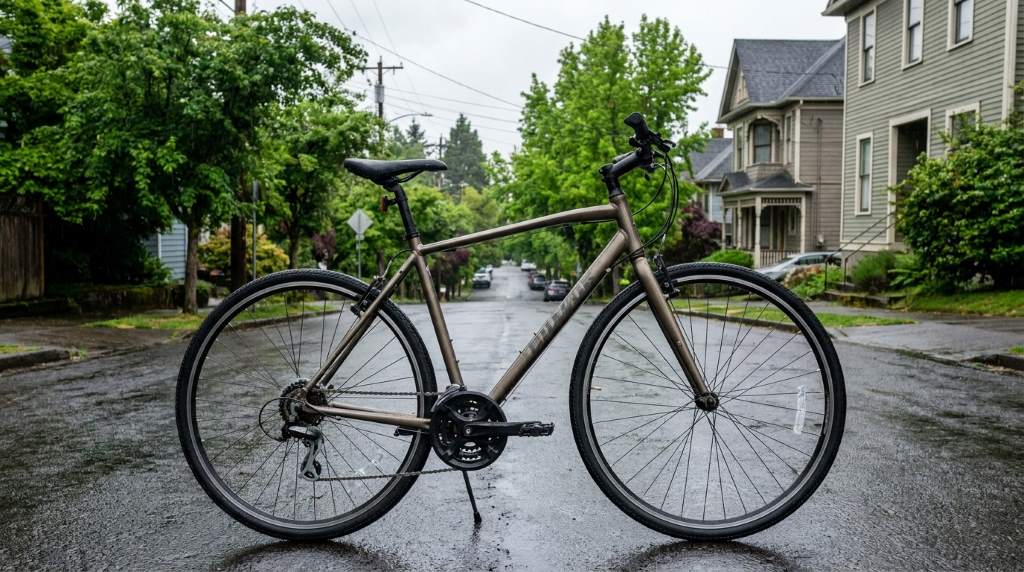
Your commuter bike usually slips on Portland hills because traction, braking, tire pressure, and rider technique work together. Portland averages about 36 inches of annual rainfall, while many roads carry steep grades that amplify small setup problems. A correctly sized bike also improves control, so riders should review 5 11 road bike frame size guidance before blaming the pavement.
Key Takeaways
- Wet Portland pavement sharply reduces available tire grip during climbing and descending.
- Overinflated tires can reduce contact with uneven pavement and painted surfaces.
- Rear-wheel slipping often signals poor weight distribution or excessive climbing torque.
- Front-wheel sliding usually indicates aggressive braking or poor surface selection.
- Fresh tread, suitable tire pressure, and controlled inputs improve everyday hill traction.
- Correct braking technique matters more when roads become wet, steep, or contaminated.
Portland Hills Create a Traction Problem
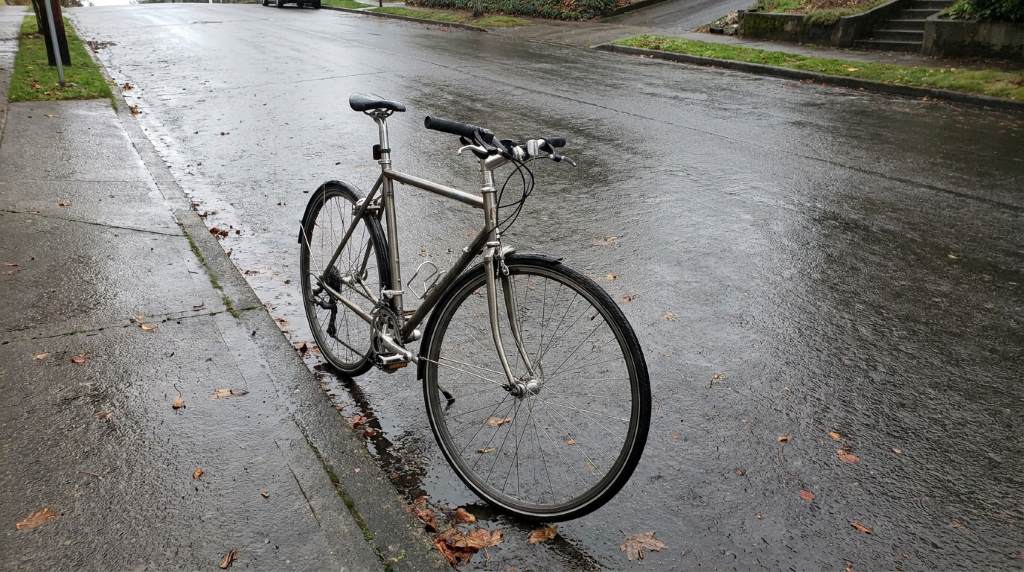
Portland’s terrain creates different traction demands than flat urban commuting routes. Steep streets shift your body position while rain changes how tires interact with asphalt. Consequently, a bike that feels stable downtown can behave differently on elevated neighborhood roads.
Many Portland climbs include patched asphalt, utility covers, painted markings, leaves, and gravel. Each surface changes available traction under your tires. Therefore, riders should treat hills as changing traction zones rather than uniform pavement.
Your tire contact patch remains surprisingly small, so every input matters during steep riding. Voyager skateboard grip tape principles illustrate the same basic idea: surface contact influences control.
Why Rain Makes Slipping More Likely
Rain creates a thin layer between rubber and road surfaces. Furthermore, water can combine with oil residue, dust, and road grime to create especially slippery conditions.
The first rainfall after a dry period can feel particularly unpredictable. Surface contaminants often become mobile before repeated rainfall washes them away. Therefore, slow down when wet weather begins after several dry days.
Painted lane markings can also feel slick when wet. Metal covers, bridge surfaces, and smooth utility plates deserve similar caution. Cross these surfaces with minimal steering, braking, and acceleration.
Tire Pressure Can Make Your Bike Slide
Tire pressure strongly affects how your commuter bike grips Portland’s uneven streets. Excessive pressure can reduce compliance and make the bike bounce across broken pavement.
Underinflation creates different problems, including sluggish handling and increased rim impact risk. However, moderately lower pressure can improve comfort and traction when your tires support that setting.
Start with the pressure range printed on your tire sidewall. Then adjust gradually according to rider weight, tire width, road quality, and weather. Never copy another rider’s pressure without considering those variables.
How To Find A Better Pressure
Check your tires before each commute when conditions change significantly. A reliable floor pump with an accurate gauge provides more consistent adjustments.
Record pressures that feel stable on your usual route. Then compare performance during dry and wet rides. This simple process creates a practical baseline without relying on guesswork.
If your tires feel harsh over rough pavement, reduce pressure slightly within manufacturer limits. Conversely, increase pressure when excessive tire flex causes unstable handling. Make one small change at a time.
Climbing Technique Can Cause Rear-Wheel Slip
Rear-wheel slipping often happens when riders apply too much force through the pedals. Steep grades encourage cyclists to stand, accelerate, and shift aggressively when the road becomes difficult.
Standing concentrates more force through each pedal stroke. As a result, the rear tire can briefly lose traction on wet or loose surfaces.
Stay seated when traction becomes questionable. Use a smoother cadence and shift into an easier gear before the hill becomes severe.
Use Smooth Torque Instead Of Sudden Power
Think about maintaining steady pressure rather than attacking each pedal stroke. Smooth torque helps the rear tire maintain consistent contact with the pavement.
Shift before your cadence collapses near the steepest section. Then maintain a controlled rhythm instead of forcing a heavy gear uphill.
If your rear wheel repeatedly spins, stop increasing pedal pressure. Instead, reduce torque briefly and regain traction before continuing the climb.
Body Position Matters On Steep Streets
Keep your weight centered while climbing rather than moving excessively over the rear wheel. Too much rearward weight can reduce front-wheel stability during certain steep approaches.
On slippery climbs, keep your upper body relaxed and your hands controlled. Small body movements should support balance without disturbing the bike’s trajectory.
Braking Errors Can Trigger Wheel Slides
Descending Portland hills requires more than simply squeezing both brake levers harder. Sudden braking can overwhelm available traction, particularly on wet or contaminated pavement.
Use both brakes progressively and begin slowing before entering the steepest section. This approach gives the tires more time to respond without abrupt weight transfer.
Your front brake provides substantial stopping power because braking shifts weight toward the front wheel. However, grabbing it suddenly can overwhelm the front tire and cause a dangerous slide.
The rear brake offers useful control but can lock more easily during hard braking. Therefore, learn to recognize tire feedback instead of relying on maximum lever force.
Brake Before The Slick Surface
Whenever possible, reduce speed before reaching painted markings or metal covers. Enter the surface with stable wheels and minimal braking input.
Keep the bike relatively upright when crossing slippery sections. Avoid sharp steering movements while your tires have limited available grip.
If you must brake while crossing a slick patch, apply pressure smoothly. Release slightly if either wheel begins to chatter, slide, or lock.
Worn Tires May Be The Real Culprit
Old tires can lose performance even when they still appear usable. Tread wear, hardened rubber, cuts, and repeated impacts can gradually reduce confidence.
Inspect both tires regularly for flattened tread profiles, cracks, embedded debris, and exposed casing. Replace tires when damage or wear exceeds manufacturer recommendations.
Commuters should also consider tire design rather than chasing maximum speed. A durable urban tire with dependable wet grip can outperform a faster tire on Portland streets.
Choose Tires For Your Actual Commute
Wide commuter tires can provide comfort and stability on rough urban surfaces. However, width alone does not guarantee traction.
Look for a tire that matches your rim, riding conditions, and manufacturer specifications. Prioritize dependable wet-road behavior if rain frequently affects your commute.
Check tread condition before every longer ride during periods of heavy rainfall. Small cuts can become larger failures when repeated impacts stress damaged rubber.
Bike Setup Affects Hill Stability
A poorly adjusted bike can make slippery hills feel worse than they should. Saddle position, handlebar reach, tire choice, and drivetrain condition all influence rider control.
A comfortable saddle helps you remain seated during technical climbs. comfortable BMX bike seat selection principles also emphasize fit and riding position.
Your drivetrain deserves attention because rough shifting can disrupt cadence. Clean components and correctly adjusted gears make it easier to maintain smooth climbing pressure.
Check Your Cockpit And Contact Points
Keep your handlebars, stem, and saddle correctly tightened according to manufacturer specifications. Loose components can undermine steering confidence when roads become unpredictable.
Choose grips that remain secure when your hands become wet. Gloves can also improve control by reducing discomfort during longer descents.
A stable riding position lets you react without sudden movements. Therefore, fit problems can indirectly contribute to traction problems during difficult climbs.
Road Debris Can Defeat Good Tires
Even excellent tires cannot create grip on every surface. Wet leaves, loose gravel, mud, moss, and roadside debris can drastically change traction.
Portland’s tree-lined streets can collect organic debris after storms and windy weather. Watch for darker pavement, leaf piles, and debris near curbs.
Scan farther ahead when approaching steep sections. Looking early gives you time to change your line without sudden steering or braking.
Pick The Cleanest Riding Line
Follow the cleanest portion of the lane whenever traffic conditions allow. Avoid deep gutters where water, gravel, and debris often accumulate.
Cross drainage channels at controlled angles rather than turning sharply across them. Keep your movements predictable and avoid aggressive corrections.
When visibility drops during rain, reduce speed before entering unfamiliar sections. Good anticipation remains more valuable than last-second reactions.
When Your Helmet And Gear Matter
Protective equipment cannot prevent every slide, but appropriate gear reduces consequences when control disappears. A properly fitted helmet should remain secure without excessive movement.
value bike skate helmet considerations can help commuters evaluate practical protection without focusing solely on price.
Choose visibility gear that helps other road users recognize you during poor weather. Reflective elements become particularly useful during dark, rainy commutes.
Build A Practical Wet-Weather Routine
Check weather conditions before leaving when heavy rain could affect your route. Give yourself extra travel time so speed does not become a pressure.
Pack basic repair equipment, especially during longer commutes. A spare tube, inflation device, tire levers, and suitable tools can prevent minor problems from becoming major delays.
Keep your drivetrain clean after particularly wet rides. Regular maintenance protects shifting performance and helps preserve reliable power delivery.
A Five-Minute Pre-Ride Hill Check
A short inspection can identify many traction problems before they appear on a steep street. Perform these checks whenever weather or route conditions change.
- Tires: Confirm pressure, tread condition, cuts, and embedded objects.
- Brakes: Check lever feel, pad condition, and consistent stopping response.
- Drivetrain: Test shifting and select an easier climbing gear early.
- Controls: Confirm that handlebars, saddle, and other contact points remain secure.
- Route: Identify steep grades, wet surfaces, debris, and busy intersections.
- Riding plan: Reduce speed before hazards instead of reacting afterward.
These checks take only a few minutes but can prevent avoidable handling problems. More importantly, they create consistent habits that improve confidence over time.
What To Do If Your Bike Starts Sliding
Stay calm when either tire loses traction unexpectedly. Sudden steering, braking, or acceleration can turn a small slide into a larger loss of control.
Reduce your inputs and let the tires regain contact whenever possible. Keep your gaze toward the intended path rather than staring at the hazard.
If the slide becomes severe, prioritize staying upright and moving predictably. Afterward, inspect your tires and consider what caused the loss of grip.
Repeated slipping deserves investigation rather than acceptance. A tire issue, pressure problem, worn component, route hazard, or technique mistake may remain unresolved.
How To Prevent Hill Slips Long Term
The best solution combines equipment choices with better riding habits. Neither expensive components nor aggressive riding techniques can replace predictable tire contact.
Start with properly maintained tires and manufacturer-recommended pressure ranges. Then refine your braking, shifting, body position, and route selection.
Practice controlled braking on a quiet, dry street before attempting technical wet descents. Gradually introduce steeper terrain as your control improves.
Most importantly, respect Portland’s changing road conditions. A cautious adjustment before a hill usually works better than a correction halfway through it.
Conclusion: Make Portland Hills Predictable
Your commuter bike slips on Portland hills mainly because wet pavement, poor tire setup, abrupt inputs, and road debris reduce available traction. The good news is that most causes remain preventable through maintenance, technique, and better route awareness.
Start by checking tire pressure, tread, brakes, and shifting before your next commute. Then practice smooth climbing and progressive braking on safer streets. If slipping continues, have a qualified bike mechanic inspect your setup and tires before riding difficult hills again.
Take control of your commute by treating traction as a system rather than a single tire problem. Make these checks routine, adjust your technique, and approach Portland’s steepest streets with greater confidence.
Frequently Asked Questions
Why does my commuter bike slip uphill?
Your rear tire usually slips because excessive pedal force overwhelms available traction on steep or wet pavement.
Does lower tire pressure improve hill traction?
Moderately lower pressure can improve compliance, but always stay within the tire manufacturer’s recommended pressure range.
Why does my bike slide when braking downhill?
Sudden braking can exceed tire grip, especially on wet pavement, painted markings, leaves, or metal surfaces.
Should I replace worn commuter bike tires?
Yes, replace tires when tread, casing, cracks, cuts, or other damage indicate that continued use compromises safety.
How can I ride Portland hills more safely in rain?
Reduce speed early, brake progressively, maintain smooth inputs, and avoid sudden movements across contaminated surfaces.