
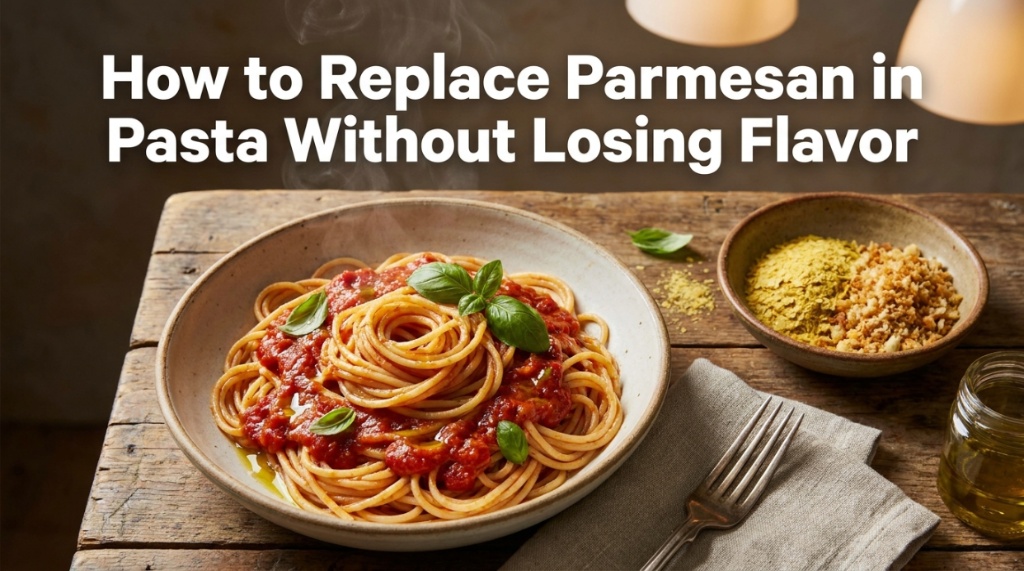
Long before Parmesan became the default finishing cheese for pasta, Italian home cooks relied on local aged cheeses to create depth, saltiness, and umami. That’s why the answer to how to replace Parmesan in pasta without losing flavor is surprisingly simple: use another aged, hard cheese such as Romano cheese or Asiago cheese that delivers similar savory complexity. The key is matching Parmesan’s salty, nutty, and umami-rich characteristics rather than finding an identical substitute.
If you’ve ever reached for the Parmesan container only to find it empty, you know how disappointing a bowl of pasta can taste without that final layer of richness. Many pasta recipes depend on grated cheese not only for flavor but also for texture and balance. Without it, sauces can feel flat, creamy dishes may lack depth, and tomato-based recipes can seem overly acidic. Fortunately, several alternatives can recreate the same satisfying finish without compromising taste.
Definition: Replacing Parmesan in pasta means using another cheese or ingredient that provides comparable saltiness, umami, texture, and aging characteristics to maintain the intended flavor profile of the dish.
Whether you’re out of Parmesan, avoiding it due to dietary preferences, or simply looking for new flavor combinations, understanding the best substitutes can transform your pasta dishes while preserving their authentic appeal.
What Makes Parmesan So Important in Pasta Dishes?
Direct Answer: Parmesan contributes umami, saltiness, nuttiness, and a granular texture that enhances both the flavor and mouthfeel of pasta.
Parmesan, particularly Parmigiano Reggiano, undergoes a lengthy aging process that concentrates proteins and develops complex flavor compounds. During maturation, amino acids break down and create glutamates, which are responsible for the savory umami taste many people associate with restaurant-quality pasta.
Because of this aging process, Parmesan serves multiple functions:
- Adds savory depth and complexity
- Balances acidic tomato sauces
- Enhances creamy pasta dishes
- Provides texture when freshly grated
- Contributes natural saltiness
- Creates a rich finish without overwhelming other ingredients
If you’re exploring different cheese options for pasta recipes, understanding how aged cheeses affect flavor can help you choose the right substitute. For a broader guide to selecting pasta-friendly cheeses, check out this comprehensive resource on choosing the best cheese for pasta dishes.
Which Cheese Is the Closest Substitute for Parmesan?
Direct Answer: Romano cheese is generally considered the closest substitute because it offers a similar hard texture, sharp flavor, and excellent grating qualities.
Among all alternatives, Romano cheese consistently ranks as the best replacement for Parmesan in traditional pasta recipes. Made primarily from sheep’s milk in its authentic form, Pecorino Romano delivers a bold, salty flavor profile that complements countless pasta dishes.
Why Does Romano Cheese Work So Well?
Romano cheese shares many characteristics with Parmesan:
- Hard, aged texture
- Excellent grating ability
- Strong umami presence
- Rich savory flavor
- Natural saltiness
The main difference is intensity. Romano tends to be sharper and saltier than Parmesan, so using slightly less often produces the best results.
| Feature | Parmesan | Romano Cheese |
|---|---|---|
| Texture | Hard and granular | Hard and crumbly |
| Saltiness | Moderate | High |
| Umami Level | Very High | Very High |
| Nutty Flavor | Strong | Moderate |
| Best Uses | All pasta dishes | Cacio e Pepe, tomato sauces |
Can Asiago Cheese Replace Parmesan Successfully?
Direct Answer: Yes, aged Asiago cheese is one of the best Parmesan alternatives because it provides similar nutty flavors and grates easily over pasta.
Many pasta enthusiasts overlook Asiago cheese, but aged varieties deliver an impressive balance of sweetness, nuttiness, and savory depth. While younger Asiago is softer and milder, aged Asiago develops characteristics remarkably close to Parmesan.
Asiago cheese works particularly well in:
- Alfredo pasta
- Cream-based sauces
- Mushroom pasta dishes
- Vegetable pasta recipes
- Baked pasta casseroles
Unlike Romano cheese, Asiago tends to be slightly sweeter and less salty, making it an excellent option for cooks who want a more balanced flavor profile.
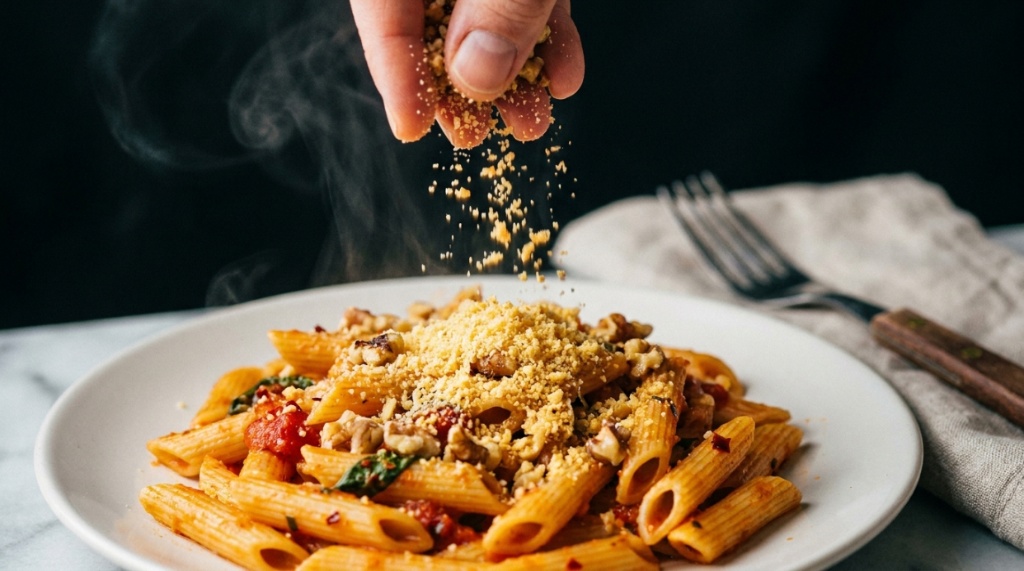
Does Asiago Melt Like Parmesan?
Yes. Aged Asiago melts smoothly and integrates well into sauces, making it ideal for recipes where the cheese becomes part of the sauce rather than simply a topping.
What Other Hard Cheeses Can Replace Parmesan?
Direct Answer: Grana Padano, Manchego, Dry Jack, and aged Provolone can all substitute for Parmesan while maintaining strong flavor and texture.
Several hard cheeses offer enough umami and structure to work effectively in pasta recipes.
Grana Padano
Often compared directly to Parmesan, Grana Padano has a milder flavor but a very similar texture. It is one of the easiest substitutes to use because it behaves almost identically in recipes.
Dry Jack
Produced primarily in the United States, Dry Jack develops a nutty and slightly sweet character during aging. It grates beautifully and performs exceptionally well in creamy pasta sauces.
When experimenting with regional cheeses and alternative grated cheese options, selecting varieties with sufficient aging is essential because aging develops the concentrated flavors that make Parmesan so effective in pasta dishes.
Manchego
This Spanish sheep’s milk cheese delivers a buttery richness and subtle nuttiness. Aged Manchego can elevate simple pasta recipes while adding unique character.
Aged Provolone
Unlike fresh provolone, aged versions develop sharpness and complexity that pair nicely with robust pasta sauces and meat-based dishes.
Can You Use Pre-Packaged Grated Cheese Instead of Parmesan?
Direct Answer: Yes, but quality matters significantly. Freshly grated aged cheeses generally provide better flavor and texture than shelf-stable grated products.
Many grocery stores sell pre-packaged grated cheese blends that contain Romano, Asiago, Parmesan, or combinations of all three. These products offer convenience and can work well in everyday cooking.
However, they often contain anti-caking agents that affect melting performance and texture.
For best results:
- Choose refrigerated grated cheese when possible
- Look for blends containing Romano and Asiago
- Avoid products with excessive fillers
- Use freshly grated cheese for premium recipes
Freshly grating cheese immediately before serving releases aromatic compounds that enhance the overall dining experience.
What Are the Best Parmesan Replacements for Specific Pasta Recipes?
Direct Answer: Different pasta dishes benefit from different substitutes depending on sauce type, texture, and desired flavor intensity.
For Alfredo Pasta
Best choices:
- Aged Asiago cheese
- Grana Padano
- Dry Jack
These cheeses provide creamy integration without overwhelming the sauce.
For Tomato-Based Pasta
Best choices:
- Romano cheese
- Aged Provolone
- Grana Padano
Their saltiness balances tomato acidity effectively.
For Baked Pasta
Best choices:
- Asiago cheese
- Dry Jack
- Grana Padano
These cheeses melt evenly and develop appealing golden crusts.
For Carbonara
Best choices:
- Pecorino Romano
- Romano cheese blends
Traditional Carbonara frequently uses Pecorino Romano, making it arguably more authentic than Parmesan in many versions of the recipe.
Can Non-Dairy Alternatives Replace Parmesan Flavor?
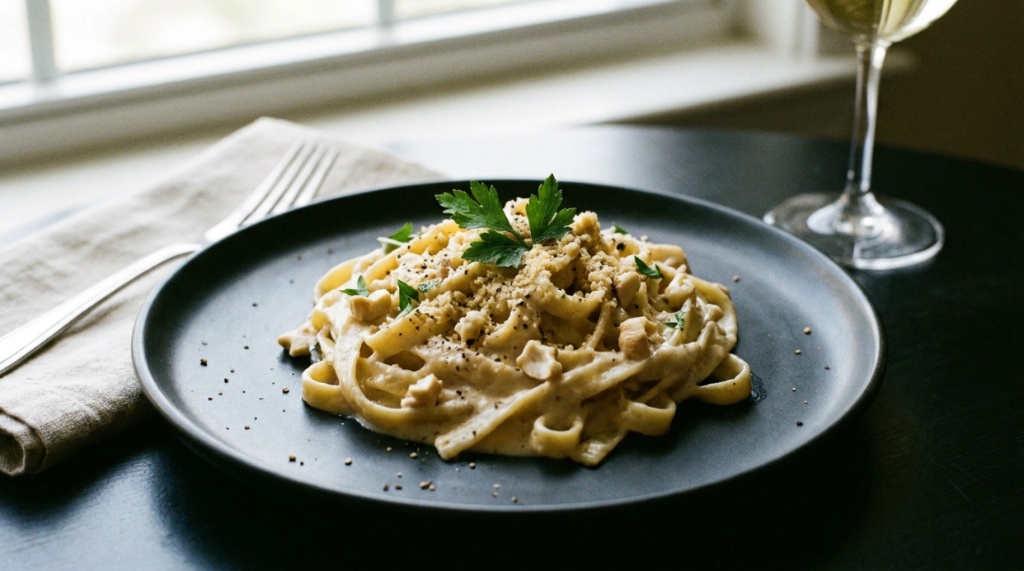
Direct Answer: Yes, nutritional yeast and specialized vegan Parmesan alternatives can provide umami-rich flavor for dairy-free pasta dishes.
Plant-based diets have increased demand for dairy-free cheese substitutes. Nutritional yeast remains one of the most popular options because it naturally delivers savory notes similar to aged cheese.
Popular vegan alternatives include:
- Nutritional yeast flakes
- Cashew Parmesan blends
- Almond-based Parmesan substitutes
- Commercial vegan hard cheeses
While these options may not perfectly replicate Parmesan’s texture, they can provide satisfying umami and richness.
How Do Vegan Alternatives Compare to Real Cheese?
| Characteristic | Parmesan | Nutritional Yeast | Vegan Parmesan |
|---|---|---|---|
| Umami | Excellent | Very Good | Good |
| Saltiness | Moderate | Low | Moderate |
| Texture | Granular | Flaky | Similar |
| Melting Ability | Good | None | Varies |
How Much Substitute Cheese Should You Use Instead of Parmesan?
Direct Answer: Most substitutes can be used in a 1:1 ratio, though Romano cheese often requires slightly less because of its stronger flavor.
Proper substitution ratios help maintain flavor balance.
| Substitute | Replacement Ratio |
|---|---|
| Romano Cheese | ¾ cup per 1 cup Parmesan |
| Asiago Cheese | 1:1 |
| Grana Padano | 1:1 |
| Dry Jack | 1:1 |
| Manchego | 1:1 |
| Nutritional Yeast | 1½:1 |
Taste gradually as you cook. Saltier cheeses may require reducing added salt elsewhere in the recipe.
What Mistakes Should You Avoid When Replacing Parmesan?
Direct Answer: Avoid using overly soft cheeses, ignoring salt levels, and selecting fresh cheeses that lack aging-related flavor complexity.
Common substitution mistakes include:
- Using mozzarella as a direct replacement
- Adding too much Romano cheese
- Choosing unaged cheese varieties
- Ignoring texture differences
- Over-salting recipes after substitution
- Using low-quality processed cheese products
Remember that Parmesan’s strength comes from aging. Any replacement should ideally share this characteristic to achieve similar results.
Conclusion: How Can You Replace Parmesan Without Sacrificing Taste?
Direct Answer: Romano cheese is the closest overall substitute, while Asiago cheese offers a milder, balanced alternative that works exceptionally well in many pasta recipes.
Replacing Parmesan doesn’t mean settling for less flavor. Romano cheese delivers bold saltiness and umami, aged Asiago cheese provides nutty richness, and alternatives such as Grana Padano, Dry Jack, and Manchego offer unique yet effective solutions. The secret is choosing aged cheeses that replicate the savory depth and texture Parmesan contributes to pasta.
Whether you’re making creamy Alfredo, traditional Carbonara, baked ziti, or a simple bowl of spaghetti, selecting the right grated cheese can preserve the dish’s intended character. Learning how different cheeses behave also helps expand your culinary options beyond a single ingredient.
For more expert guidance on pasta ingredients, cheese selection, and flavor pairings, explore this detailed guide on finding quality cheeses for pasta recipes and discover new ways to elevate everyday meals.
Experiment with different substitutes, compare flavor profiles, and find the combination that best matches your favorite pasta dishes.
FAQ: How to Replace Parmesan in Pasta Without Losing Flavor
What is the best substitute for Parmesan cheese in pasta?
Answer: Romano cheese is widely considered the best substitute because it offers similar texture, strong umami flavor, and excellent grating characteristics.
Can Asiago cheese replace Parmesan in Alfredo sauce?
Answer: Yes. Aged Asiago cheese melts smoothly and provides a nutty flavor that complements creamy Alfredo sauces exceptionally well.
Is Romano cheese stronger than Parmesan?
Answer: Yes. Romano cheese is generally saltier and sharper than Parmesan, which is why slightly smaller quantities are often recommended.
Can I use cheddar cheese instead of Parmesan?
Answer: While possible, cheddar lacks Parmesan’s aged texture and umami complexity. Romano, Asiago, or Grana Padano typically produce better results.
What dairy-free substitute tastes most like Parmesan?
Answer: Nutritional yeast is the most popular dairy-free option because it delivers savory, cheesy notes and enhances pasta flavor naturally.
Can pre-grated cheese replace fresh Parmesan?
Answer: Yes. High-quality refrigerated grated cheese blends can work effectively, though freshly grated aged cheese usually provides superior flavor and texture.
Which substitute works best in Carbonara?
Answer: Pecorino Romano is traditionally used in many authentic Carbonara recipes and often serves as the ideal Parmesan replacement.


