
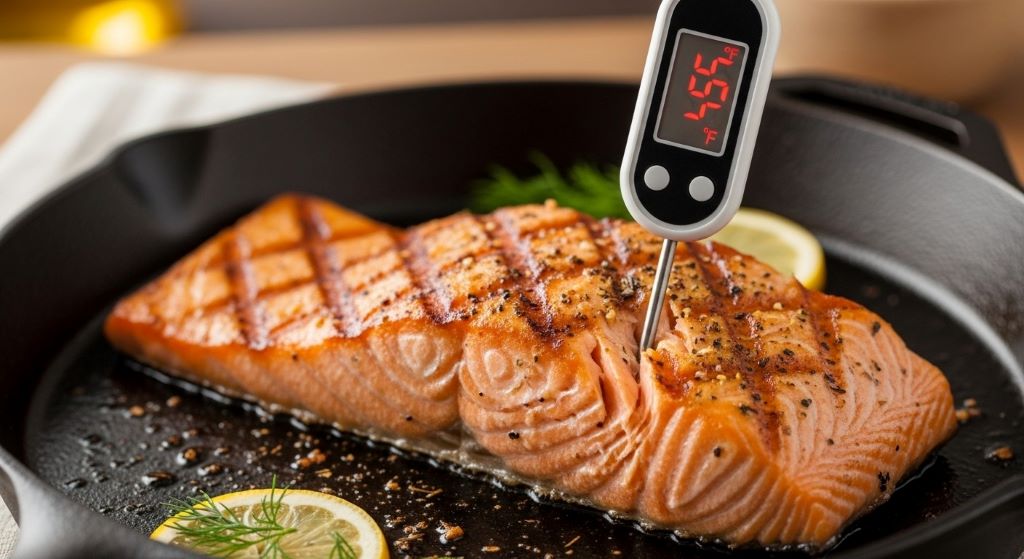
Cooking fish to the proper temperature ensures both safety and optimal texture. Salmon and cod require different internal temperatures for best results. Understanding these differences helps home cooks prepare restaurant-quality fish dishes every time.
Why Temperature Matters for Fish
Internal temperature determines whether fish is safe to eat and enjoyable to consume. Undercooked fish may harbor harmful bacteria or parasites. Overcooked fish becomes dry and loses delicate flavors.
Additionally, different fish species have varying fat content and muscle structure. These differences affect ideal cooking temperatures. Therefore, salmon and cod each have specific temperature targets that maximize their unique qualities.
USDA Guidelines for Fish Safety
The United States Department of Agriculture recommends cooking all fish to 145 degrees Fahrenheit. This temperature kills harmful bacteria and parasites that may exist in raw fish. However, many chefs and food experts suggest different temperatures for optimal quality.
The 145-degree guideline works well for lean white fish like cod. Nevertheless, salmon tastes better when cooked to lower temperatures. This creates confusion for home cooks trying to balance safety with culinary excellence.
Ideal Temperature for Cooking Salmon
Salmon reaches peak flavor and texture between 120 and 130 degrees Fahrenheit. At these temperatures, the flesh remains moist and slightly translucent in the center. The fat content keeps salmon safe at lower temperatures than lean fish.
Many professional chefs prefer salmon cooked to 125 degrees Fahrenheit. This medium-rare preparation showcases salmon’s buttery texture and rich flavor. The center appears slightly darker pink while the outer portions turn lighter.
Farm-raised salmon generally contains fewer parasites than wild-caught varieties. Therefore, cooking farm-raised salmon to lower temperatures poses minimal risk. Wild salmon should reach at least 125 degrees for safety.
According to Serious Eats, salmon cooked to 120 degrees provides the most tender and flavorful results while remaining safe for consumption.
Temperature Ranges for Different Salmon Preferences
Rare salmon reaches 110 degrees Fahrenheit internally. The center remains quite translucent with a soft texture. This preparation suits sushi-grade salmon only.
Medium-rare salmon measures 120 to 125 degrees Fahrenheit. The flesh appears mostly opaque with a slightly darker center. This temperature range delivers optimal moisture and flavor.
Medium salmon reaches 130 to 135 degrees Fahrenheit. The fish becomes fully opaque throughout with firm texture. Many home cooks prefer this level of doneness.
Well-done salmon exceeds 140 degrees Fahrenheit. The flesh turns pale pink and flakes easily but may taste dry. This preparation suits those concerned about food safety.
Ideal Temperature for Cooking Cod
Cod tastes best when cooked to 130 to 140 degrees Fahrenheit internally. This lean white fish contains minimal fat compared to salmon. Therefore, cod requires careful attention to avoid overcooking.
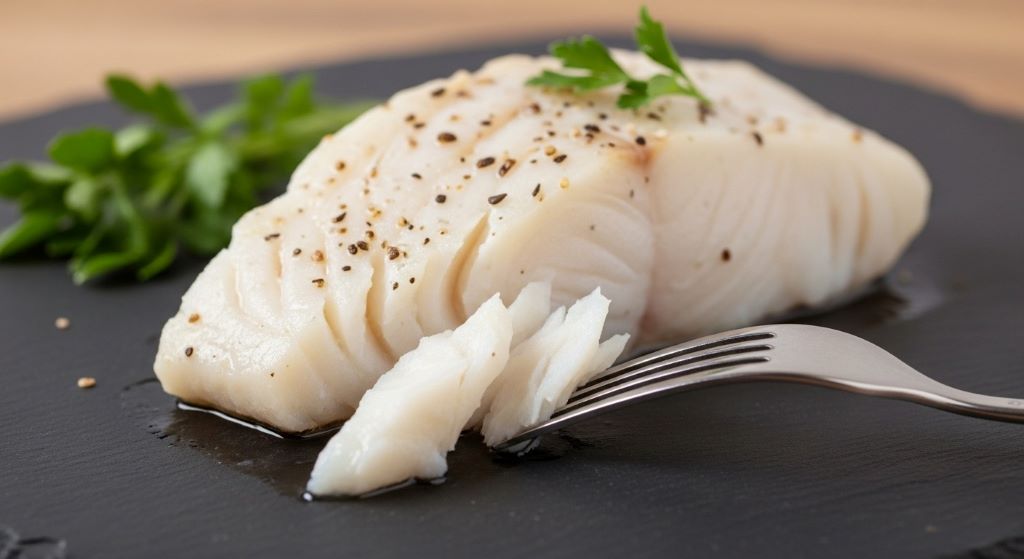
At 130 degrees, cod becomes opaque and flakes gently with a fork. The texture remains moist and tender. Additionally, the mild flavor stays delicate without becoming rubbery.
Cod cooked to 145 degrees meets USDA safety guidelines. However, the fish may begin drying out at this temperature. Many chefs remove cod from heat at 135 degrees, allowing carryover cooking to reach 140 degrees.
Why Cod and Salmon Have Different Temperature Requirements
The fat content explains the temperature difference between these fish. Salmon contains approximately 13 grams of fat per 100 grams of flesh. This high fat content keeps salmon moist at lower temperatures.
Cod contains only 0.7 grams of fat per 100 grams of flesh. This lean composition means cod dries out quickly when overcooked. Therefore, cod requires precise temperature monitoring to maintain moisture.
Muscle structure also affects ideal cooking temperatures. Salmon has thicker muscle fibers that benefit from medium-rare preparation. Cod features delicate flakes that shine when cooked to medium doneness.
How to Measure Fish Temperature Accurately
Insert an instant-read thermometer into the thickest part of the fish. Avoid touching bone or the cooking pan, which gives false readings. The thermometer should penetrate at least one inch into the flesh.
Digital instant-read thermometers provide the most accurate results. These devices display temperature within two to three seconds. Moreover, they typically cost between fifteen and thirty dollars.
Check temperature about two minutes before the estimated cooking time ends. Fish continues cooking after removal from heat through carryover cooking. This residual heat can raise internal temperature by five to ten degrees.
Cooking Methods and Temperature Control
Pan-searing works excellently for both salmon and cod. Heat oil over medium-high heat until shimmering. Cook salmon skin-side down for four to five minutes, then flip briefly.
Baking provides even heat distribution for consistent results. Preheat ovens to 400 degrees Fahrenheit for salmon and 425 degrees for cod. Thicker fillets require longer cooking times than thin portions.
Grilling adds smoky flavor but requires careful attention. Oil the grates well to prevent sticking. Additionally, use indirect heat for thicker fillets to avoid burning exteriors before interiors cook properly.
Poaching gently cooks fish in flavored liquid below boiling temperature. This method suits delicate cod particularly well. Simmer liquid at 160 to 180 degrees Fahrenheit until fish reaches desired internal temperature.
Visual Cues for Doneness
Properly cooked salmon appears opaque on the outside with a slightly darker center. White protein albumin may appear on the surface. This substance is harmless and indicates the fish is nearly done.
Perfectly cooked cod becomes uniformly opaque and flakes easily when tested with a fork. The flesh should separate into large, moist chunks rather than tiny dry pieces. Additionally, cod changes from translucent gray to pure white when cooked.
Press the fish gently with your finger to test doneness. Rare fish feels soft and squishy. Medium fish springs back slightly when pressed. Well-done fish feels firm throughout.
Common Mistakes When Cooking Fish
Starting with cold fish leads to uneven cooking. Remove fish from the refrigerator twenty to thirty minutes before cooking. This allows even heat penetration throughout the fillet.
Using too much heat causes exterior burning before interiors cook properly. Medium to medium-high heat works best for most cooking methods. Therefore, patience produces better results than rushing with high temperatures.
Flipping fish too frequently breaks delicate flesh and releases moisture. Cook most of the time on the first side. Flip only once near the end of cooking for best presentation.
Neglecting to rest fish after cooking results in moisture loss. Let fish rest for three to five minutes after removing from heat. This allows juices to redistribute throughout the flesh.
Food Safety Considerations
Fresh fish should smell like the ocean, not fishy or ammonia-like. Flesh should appear moist and spring back when pressed. Additionally, eyes should look clear rather than cloudy on whole fish.
Store raw fish in the coldest part of your refrigerator below 40 degrees Fahrenheit. Use within one to two days of purchase. Alternatively, freeze fish immediately if not cooking soon.
Wash hands, utensils, and surfaces thoroughly after handling raw fish. Cross-contamination can spread bacteria to other foods. Therefore, use separate cutting boards for fish and vegetables.
According to FDA guidelines, pregnant women and immunocompromised individuals should avoid undercooked fish regardless of quality.
Comparing Cooking Times
A one-inch thick salmon fillet requires approximately ten minutes total cooking time. This timing works for pan-searing, baking, or grilling at moderate temperatures. Thicker portions need additional time proportionally.
Cod fillets of similar thickness cook slightly faster, requiring eight to nine minutes total. The lean flesh conducts heat more quickly than fatty salmon. However, cod requires more careful attention to prevent overcooking.
Frozen fish needs approximately fifty percent more cooking time than thawed fish. Nevertheless, thawing fish properly in the refrigerator overnight produces better texture. Quick-thawing methods often result in mushy flesh.
Enhancing Flavor While Monitoring Temperature
Season fish generously with salt fifteen minutes before cooking. This dry-brining process enhances flavor throughout the flesh. Additionally, the salt draws out surface moisture for better browning.
Finish salmon with butter, lemon, and fresh herbs after reaching target temperature. These additions complement the rich flavor without overwhelming it. Moreover, they add moisture to the surface.
Serve cod with light sauces that won’t overpower its delicate flavor. Lemon butter, caper sauce, or herb vinaigrette work beautifully. These accompaniments add moisture that lean cod benefits from.
Tools Every Fish Cook Needs
An instant-read digital thermometer is essential for consistent results. This single tool eliminates guesswork and prevents overcooking. Quality models cost between fifteen and fifty dollars and last for years.
A fish spatula features thin, flexible metal ideal for flipping delicate fillets. The slotted design allows fat to drain while supporting the entire fillet. This specialized tool prevents fish from breaking during cooking.
A heavy skillet maintains even heat distribution for perfect searing. Cast iron or thick stainless steel works best. Additionally, these pans develop fond that creates delicious pan sauces.
Conclusion
Salmon and cod require different internal temperatures for optimal results. Salmon reaches peak quality between 120 and 130 degrees Fahrenheit, while cod tastes best between 130 and 140 degrees. These temperature differences reflect each fish’s unique fat content and muscle structure. Using an instant-read thermometer ensures perfect doneness every time. Therefore, understanding these temperature guidelines helps home cooks prepare delicious fish dishes that rival restaurant quality.
Frequently Asked Questions
What temperature should salmon be cooked to for safety?
Salmon can be safely cooked to 125 degrees Fahrenheit for farm-raised fish and 130 degrees for wild-caught. The USDA recommends 145 degrees, but the higher fat content in salmon makes lower temperatures safe and more flavorful.
Can you eat cod at 130 degrees Fahrenheit?
Yes, cod is perfectly safe and delicious at 130 degrees Fahrenheit. This temperature produces moist, flaky fish without drying out the lean flesh. The cod will be fully opaque and tender at this internal temperature.
Why does salmon need a lower cooking temperature than cod?
Salmon contains significantly more fat than cod, which keeps it moist and safe at lower temperatures. Cod is very lean and requires slightly higher temperatures to achieve proper texture while remaining safe to eat.
How do you know when fish is done without a thermometer?
Fish is done when it becomes opaque throughout and flakes easily with a fork. Press gently with your finger; properly cooked fish springs back slightly. However, a thermometer provides the most reliable results for consistent doneness.
Does carryover cooking affect fish temperature?
Yes, fish continues cooking after removal from heat and can increase by five to ten degrees. Therefore, remove salmon at 120 degrees to reach 125 degrees after resting, and remove cod at 135 degrees to reach 140 degrees.
Related Topics:
10 recipes for using raw cocoa beans in the kitchen