
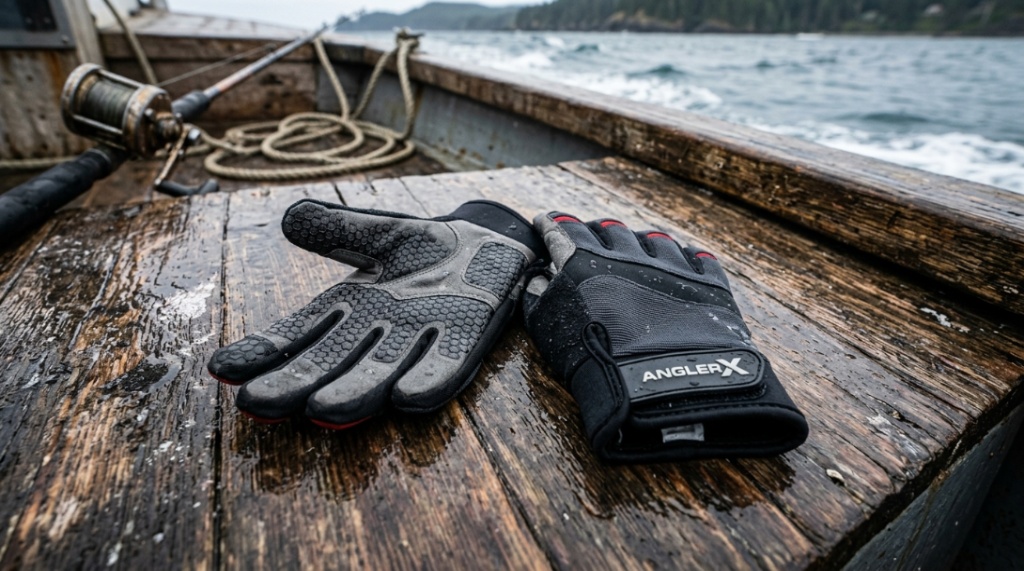
An Alaska fishing guide once told me that half his clients show up with $150 gloves that fail in the first hour, while the other half bring $35 gloves that last the entire week — because Alaska-ready performance is about material selection and construction quality, not price tag. The best budget fishing gloves for Alaska deliver the specific combination of waterproofing, insulation, and dexterity that Alaska’s unique conditions demand: near-freezing rain that lasts for days, glacial river spray that soaks through cheap seams, and wind chill that turns inadequate insulation into a liability. Fishing gloves Alaska-ready means gloves that survive genuinely harsh conditions without the $100+ price tag that premium brands charge for features recreational anglers do not need. This guide identifies which budget options genuinely handle Alaska’s demands and which fail the moment conditions get real.
What Conditions Do Fishing Gloves Face in Alaska?
Alaska fishing exposes gloves to simultaneous challenges: near-freezing rain (35–45°F with precipitation), glacial river spray (32–38°F water), sustained wind (15–30 mph common), extended 12–16 hour fishing days, and constant wet-hand contact from fish handling — conditions that overwhelm gloves designed for temperate fishing environments.
Alaska-specific challenges by season:
- Early season (May–June): 35–50°F air, persistent rain, snowmelt-cold rivers (33–40°F). Hypothermia-risk conditions for unprotected hands. Waterproofing is survival-critical, not just comfort.
- Peak season (July–August): 45–65°F air, intermittent rain, warmer river temps (40–55°F). Most comfortable Alaska fishing but still colder and wetter than Lower 48 “cold weather” fishing. Waterproofing remains essential.
- Late season (September–October): 30–45°F air, rain/snow mix, frigid river water (34–42°F). Approaches ice fishing conditions but with active casting and wading. Maximum demand on glove performance.
The critical insight: Alaska “summer” fishing is colder and wetter than most Lower 48 winter fishing. Gloves rated for 40°F in your home state will not handle Alaska’s 40°F because the addition of constant rain, wind, and water contact multiplies heat loss beyond what temperature alone indicates.
Preparing for the unpredictable wilderness means safeguarding more than just your hands against freezing glacial waters and abrasive lines. While selecting the right handwear protects your grip, intense glare bouncing off water and snowfields poses an equally severe threat to your vision. Ensuring you properly shield your eyes while fishing in bright sunlight is just as critical as packing insulated gear, as premium polarization prevents the severe eye strain and tracking fatigue common to long days on northern waters.
What Budget Price Range Actually Delivers Alaska-Ready Performance?
$30–$60 delivers genuinely Alaska-capable fishing gloves with waterproof construction, adequate insulation, and durable materials — this range accesses the same fundamental technology (neoprene, sealed seams, synthetic insulation) as $100+ options without premium brand markups or unnecessary luxury features.
Budget tier analysis for Alaska use:
- Under $20: Inadequate for Alaska. No sealed seams, no real waterproofing, insulation fails when wet. These gloves leak within 30 minutes of Alaska rain. Will ruin your fishing trip.
- $20–$35: Entry Alaska-capable. Basic neoprene or sealed construction that handles rain and cold for 2–4 hours before limitations appear. Acceptable for day trips with backup gloves available.
- $35–$60 (Sweet spot): Fully Alaska-capable. Quality neoprene (3mm+), sealed seams, adequate insulation, textured grip. Handles full-day Alaska fishing in typical conditions. Where serious budget anglers should invest.
- $60–$100: Premium budget. Better materials, longer durability, superior dexterity. Worth it for anglers making multiple Alaska trips or fishing 20+ days annually in cold-wet conditions.
The $35–$60 range works for Alaska because neoprene — the ideal Alaska fishing material — is inherently affordable. You pay more above this range for thinner/lighter construction (nicer but not more functional), brand names, and marginal improvements in dexterity that most recreational anglers cannot perceive.
Which Budget Gloves Handle Alaska’s Unique Demands?
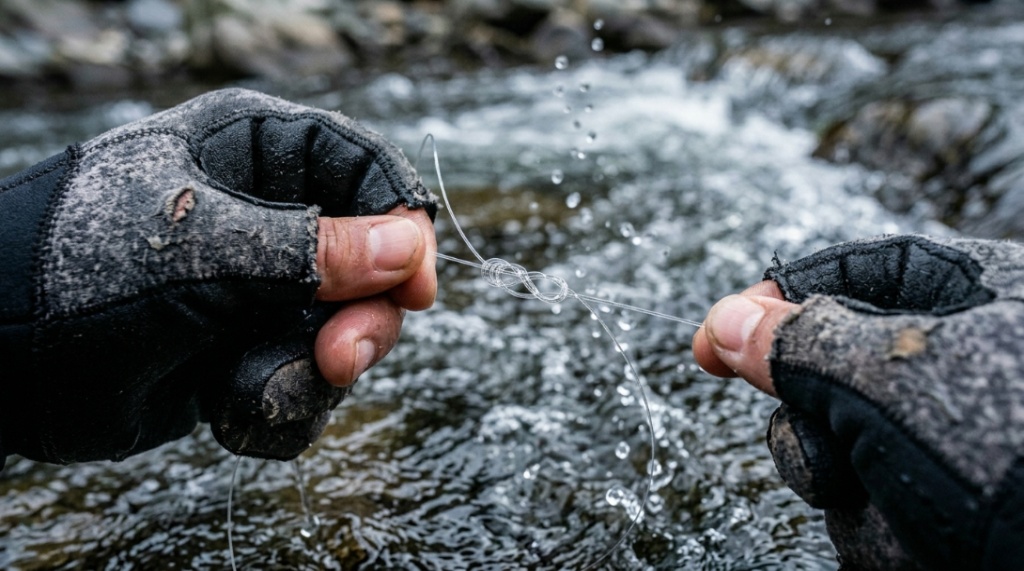
Budget gloves that succeed in Alaska share three features: 3mm+ neoprene construction (naturally waterproof and insulating), fold-back or removable fingertips (dexterity without full removal), and textured palm grip (essential for wet rod handling in rain and spray) — available from multiple brands at $35–$55.
Recommended budget specifications for Alaska:
| Feature | Budget Spec (Works) | Premium Spec (Nicer) | Why It Matters in Alaska |
|---|---|---|---|
| Material | 3mm neoprene | 2mm neoprene + fleece lining | Naturally waterproof, insulates when wet |
| Seams | Glued + blind-stitched | Glued + blind-stitched + sealed tape | Prevents water entry at construction joints |
| Fingertips | Fold-back with magnet hold | Individual finger flip with secure closure | Bare-finger access for knots without full removal |
| Palm | Textured neoprene or rubberized | Amara synthetic leather with silicone | Grip on wet rods and slippery fish |
| Cuff | Velcro closure, wrist-length | Extended gauntlet with cinch | Seals against rain running down sleeves |
Brand names matter less than these specifications at the budget level. A $40 no-name neoprene glove with proper construction outperforms a $60 branded glove with inferior seaming or inadequate thickness. Check specs, not logos.
How Many Pairs Should You Bring to Alaska?
Bring minimum two pairs of fishing gloves for any Alaska trip — one primary pair for active fishing and one backup pair for when the primaries get soaked internally from fish handling, accidental submersion, or accumulated moisture after 8+ hours of continuous wet-condition use.
Alaska packing recommendation:
- Primary pair: Your best neoprene fishing gloves. 3mm+, fold-back fingers, textured grip. Worn for active fishing.
- Backup pair: Identical or similar specification. Stored dry in a sealed bag. Swapped when primary pair becomes internally saturated (typically after 6–10 hours of Alaska rain fishing).
- Camp/travel pair: Lightweight fleece or thin insulated gloves for non-fishing cold moments (morning coffee, evening camp, boat rides between spots). Does not need to be waterproof.
- Emergency option: Disposable nitrile gloves (box of 10). Surprising Alaska secret—thin nitrile under fleece gloves creates a vapor barrier that dramatically improves warmth. Also useful for fish cleaning hygiene.
Alaska guide wisdom: “One pair gets you through the morning. Two pairs get you through the day. Three pairs get you through the week.” Gloves are the most commonly insufficient gear item on Alaska fishing trips — bring more than you think you need.
How Do You Make Budget Fishing Gloves Last Through an Alaska Trip?
Maximize budget glove lifespan in Alaska by: drying thoroughly overnight (hang near heat source, never on direct heat), rotating between pairs daily, rinsing salt/fish oils after each use (they degrade neoprene), and storing flat rather than crumpled to prevent permanent crease damage that cracks waterproof surfaces.
Alaska trip glove care protocol:
- After each fishing session: Rinse in fresh water (removes salt, fish slime, and glacial silt that degrade materials). Turn inside out. Hang to air dry.
- Overnight: Position near (not on) a heat source — woodstove proximity, heated cabin radiator, or inside sleeping bag to body-heat dry. Direct heat melts neoprene glue and destroys seams.
- Rotation: Alternate between two pairs daily. Yesterday’s pair gets a full 24 hours to dry completely while today’s pair is in use. This prevents the cumulative moisture buildup that makes gloves progressively colder each day.
- Storage: Flat or gently stuffed with paper towel (absorbs residual moisture). Never crumple into a ball — creases crack neoprene and break seam seals.
- Mid-trip inspection: Check seams for separation after day 3. Early seam failure caught and repaired with Aquaseal adhesive prevents total glove failure mid-trip.
For specific budget glove recommendations tested through multi-day Alaska fishing trips, the best budget fishing gloves tested in Alaska conditions provides detailed performance and durability data from week-long fishing adventures in genuine Alaska weather — identifying which affordable options survive the demands and which fail before the trip ends.
Conclusion
The best budget fishing gloves for Alaska trips combine 3mm+ neoprene construction, glued and blind-stitched seams, fold-back fingertips, and textured palms — available at $35–$60 from multiple brands. This price range accesses the same fundamental waterproof-insulating technology that premium options use because neoprene itself is an affordable material. Bring minimum two pairs, rotate daily, dry thoroughly each night, and your $80 total glove investment handles a week of Alaska fishing that would destroy $150 single-pair premium gloves used without backup.
Alaska does not require expensive gear — it requires appropriate gear used intelligently. Budget fishing gloves with proper specifications and disciplined care deliver the same hand protection as premium options costing 2–3x more. Spend the savings on extra lures, guide tips, or a better rain jacket — your hands will be just as warm and dry regardless of what you paid for the neoprene covering them.
What budget fishing gloves survived your Alaska trip — or which ones failed? Share your experience to help future Alaska anglers pack smart.
Frequently Asked Questions
Can $30 fishing gloves really handle Alaska conditions?
At the lower end ($30–$35), yes — if they are 3mm neoprene with proper seam construction. Neoprene is inherently waterproof and insulating regardless of price point. What you sacrifice at $30 versus $60 is typically: dexterity refinement, cuff design, grip texture quality, and longevity. For a single Alaska trip, a well-chosen $30 neoprene glove performs adequately.
Should I buy fishing gloves before or after arriving in Alaska?
Before. Alaska tackle shops stock gloves but selection is limited and prices are 20–40% higher than online or Lower 48 retail. Order online 2–3 weeks before your trip so you can test fit, practice knot-tying with them, and identify any issues before you are standing on an Alaska river with no alternatives.
Are fingerless gloves usable in Alaska?
Only in peak summer (July–August) during warm spells above 55°F with no rain. For typical Alaska fishing conditions (40–50°F, rain likely), fingerless gloves leave your most vulnerable extremities exposed to the elements. Convertible gloves with fold-back fingers provide the dexterity of fingerless with the option to cover up — always choose convertible over pure fingerless for Alaska.
Do I need different gloves for river fishing versus ocean fishing in Alaska?
Same glove specifications work for both — waterproof, insulated, with grip. The difference: ocean fishing involves saltwater exposure that degrades materials faster. Rinse gloves in fresh water after every saltwater session. If doing both river and ocean fishing, designate one pair for each to prevent salt residue contamination of your river pair.
What hand size issues should I consider for Alaska fishing gloves?
Alaska conditions reward slightly looser fit than standard — trapped air provides additional insulation. However, excessively loose gloves reduce grip and snag on tackle. Order your normal size, then verify you can insert a thin liner glove underneath for extreme cold days. If the combined system feels too tight, size up one increment for the outer glove only.
Can I repair fishing gloves that start leaking during my Alaska trip?
Yes — pack Aquaseal or similar flexible waterproof adhesive ($8, weighs 1 oz). It repairs neoprene seam separations, small punctures, and delamination in the field. Apply at night, allow 8 hours to cure, and the glove returns to service next morning. This $8 repair kit can save a $50+ glove from becoming garbage mid-trip.