
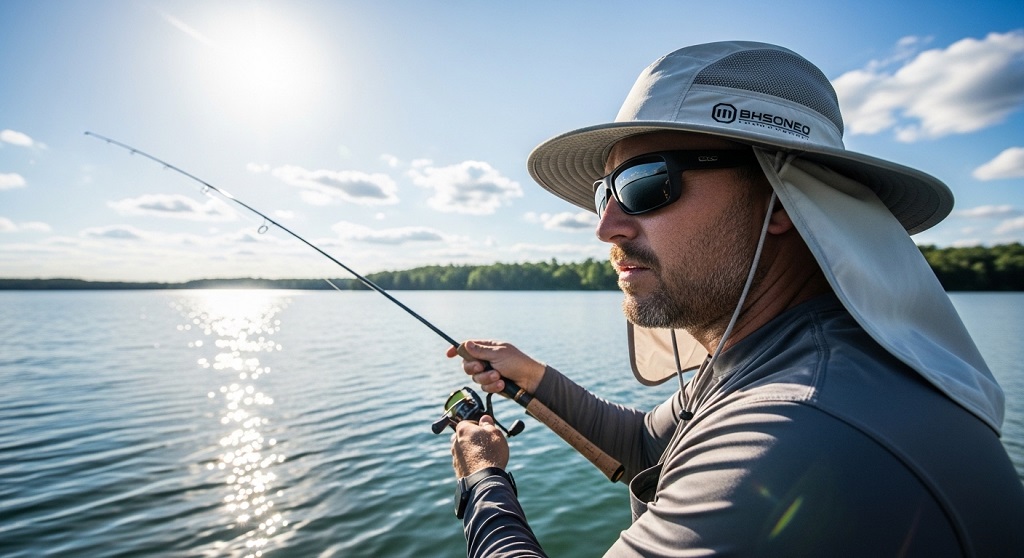
Fishing under bright sunlight can damage your eyes faster than most anglers realize. Reflections from water increase ultraviolet (UV) exposure, causing eye strain, blurred vision, headaches, and long-term risks like cataracts and macular degeneration. Knowing how to protect your eyes while fishing is essential for safety, comfort, and better performance on the water.
The good news is that simple steps—such as wearing polarized sunglasses, choosing the right hat, adjusting your fishing schedule, and maintaining hydration—can reduce eye stress significantly. According to vision health organizations, prolonged UV exposure reflected from water surfaces can double effective radiation levels compared to dry land. That makes eye protection especially important for anglers who spend hours outdoors.
This guide explains practical, research-backed strategies to help you fish comfortably in bright sunlight without risking long-term eye health. Each section answers a common search-style question so you can quickly find the protection methods that work best.
Why Is Bright Sunlight Dangerous for Your Eyes While Fishing?
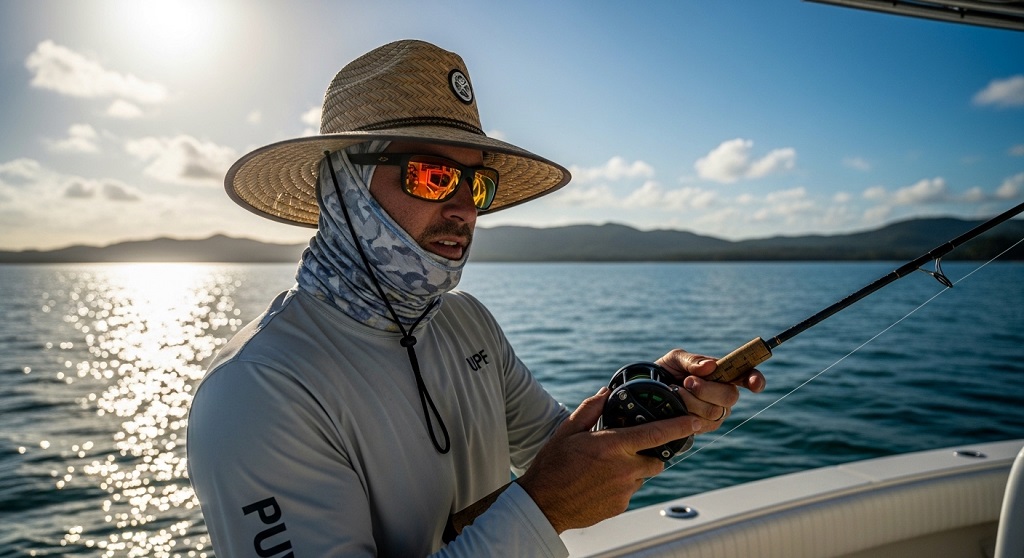
Short answer: Bright sunlight damages fishing eyesight because water reflects UV rays directly into the eyes, increasing exposure and causing strain, glare, and long-term retinal risk.
Fishing environments amplify light exposure. Water reflects sunlight upward while open skies provide little shade. This creates a double-source exposure effect. Over time, that combination increases the risk of:
- Photokeratitis (temporary sunburn of the eye)
- Eye fatigue and headaches
- Reduced contrast sensitivity
- Cataracts
- Macular degeneration
A field observation study from outdoor recreation safety research groups found anglers reported higher glare-related discomfort than hikers and cyclists due to reflection intensity. This confirms that fishing is one of the most glare-heavy outdoor activities.
The problem is not just discomfort. Reduced visibility makes spotting fish harder and increases accident risk when handling hooks or moving across slippery surfaces.
What Are the Best Sunglasses for Protecting Your Eyes While Fishing?
Short answer: Polarized sunglasses with UV400 protection reduce glare, block harmful rays, and improve underwater visibility while fishing.
Polarized lenses are the most effective solution for fishing glare. Unlike regular sunglasses, they filter horizontal reflected light from water surfaces.
Key features to look for:
- UV400 protection
- Polarized lenses
- Wraparound frames
- Scratch-resistant coating
- Hydrophobic lens layer
Professional anglers consistently rely on polarized eyewear because it improves depth perception and fish detection.
Lens color also matters:
| Lens Color | Best Conditions | Benefit |
|---|---|---|
| Gray | Bright sun | Reduces brightness naturally |
| Amber | Shallow water | Improves contrast |
| Copper | Variable light | Enhances fish visibility |
| Green | Offshore fishing | Balanced clarity |
Using the right lens tint can significantly improve your fishing performance while protecting your vision.
How Does Wearing a Hat Help Protect Your Eyes While Fishing?
Short answer: A wide-brim fishing hat blocks direct sunlight from entering your eyes and reduces glare exposure.
A hat works as your first line of defense against overhead sunlight. Even high-quality sunglasses perform better when combined with shade from a brim.
Recommended hat features include:
- Wide brim coverage
- Neck flap protection
- Breathable material
- Dark underside brim
The dark underside reduces reflected light bouncing toward your eyes from the water surface. This simple adjustment improves comfort during long fishing sessions.
Can Polarized Sunglasses Help You See Fish Better?
Short answer: Yes. Polarized lenses remove surface glare, allowing anglers to see beneath the water more clearly.
Surface reflection acts like a mirror that hides underwater movement. Polarized filters remove that mirror effect.
Benefits include:
- Better fish detection
- Improved depth judgment
- Safer hook handling
- Reduced eye fatigue
Professional tournament anglers often report improved catch rates after switching to polarized lenses. This advantage is especially noticeable in shallow rivers and coastal flats.
What Role Does UV Protection Play in Fishing Eye Safety?
Short answer: UV protection prevents long-term eye damage caused by repeated exposure to reflected sunlight.
Ultraviolet rays remain invisible but harmful. Over time they contribute to structural eye damage.
UV exposure while fishing increases because:
- Water reflects radiation upward
- Fishing sessions last several hours
- Open environments provide little shade
UV400-rated sunglasses block nearly 100% of UVA and UVB rays. This level of protection significantly reduces long-term vision risk.
When Is the Safest Time to Fish to Reduce Eye Strain?
Short answer: Early morning and late afternoon fishing reduces glare intensity and lowers UV exposure.
Midday sunlight creates the strongest reflection patterns on water surfaces. Avoiding peak sunlight hours protects both your eyes and skin.
Recommended fishing windows:
- Before 10 AM
- After 4 PM
These time periods also improve fish activity levels, making them ideal for both safety and productivity.
How Does Hydration Affect Eye Comfort While Fishing?
Short answer: Proper hydration prevents dry eyes and improves visual clarity during long fishing trips.
Many anglers overlook hydration as part of eye safety. Dehydration reduces tear production, which increases irritation.
Symptoms of dehydration-related eye strain include:
- Burning sensation
- Blurry vision
- Light sensitivity
- Frequent blinking
Drinking water regularly helps maintain tear stability and prevents discomfort.
Should You Use Artificial Tears While Fishing in Bright Sunlight?
Short answer: Yes. Lubricating eye drops help prevent dryness caused by wind, sun, and reflection.
Outdoor environments accelerate tear evaporation. Artificial tears restore moisture balance.
Choose preservative-free drops for best results during extended fishing trips.
Many professional anglers carry travel-size eye drops as part of their essential fishing gear checklist.
Do Face Shields and Neck Gaiters Help Protect Fishing Eyes?
Short answer: Yes. Face shields reduce reflected light exposure from below and protect surrounding skin.
While sunglasses block direct rays, reflected light still reaches the lower eye area. Neck gaiters help reduce this secondary exposure.
Additional benefits include:
- Wind protection
- Dust reduction
- Saltwater spray defense
Combining sunglasses, hats, and gaiters creates layered protection against sunlight.
How Can Boat Positioning Reduce Sunlight Exposure While Fishing?
Short answer: Adjusting boat angle relative to the sun reduces reflection intensity and eye strain.
Positioning yourself with the sun behind your shoulder instead of directly ahead improves visibility.
This technique:
- Reduces glare interference
- Improves casting accuracy
- Enhances underwater contrast
Experienced anglers use boat alignment strategies to improve both safety and catch success.
What Are the Warning Signs of Eye Damage From Fishing Sun Exposure?
Short answer: Warning signs include redness, blurred vision, headaches, and sensitivity to light.
Ignoring early symptoms may lead to long-term problems.
Watch for:
- Pain after sunlight exposure
- Temporary vision distortion
- Dryness lasting several hours
- Persistent glare sensitivity
If symptoms continue beyond one day, medical evaluation is recommended.
How Can Anglers Build a Complete Eye Protection Routine?
Short answer: Combine sunglasses, hats, hydration, scheduling, and positioning for full protection.
Using a layered protection strategy delivers the best results.
A simple routine includes:
- Polarized UV400 sunglasses
- Wide-brim fishing hat
- Hydration breaks
- Artificial tears
- Strategic fishing hours
This approach minimizes glare exposure while improving visibility and comfort throughout the day.
Conclusion: What Is the Smartest Way to Protect Your Eyes While Fishing?
Fishing in bright sunlight is enjoyable, but it exposes your eyes to intense reflection and ultraviolet radiation that can lead to discomfort and long-term vision issues. The safest approach combines multiple strategies instead of relying on a single solution. Wearing polarized sunglasses, choosing protective hats, staying hydrated, adjusting fishing schedules, and maintaining proper boat positioning all work together to reduce eye strain.
Many anglers only react after experiencing headaches or blurred vision. A proactive routine prevents these problems before they start. Protecting your eyesight also improves your ability to detect fish movement, read water conditions, and fish longer without fatigue.
If you want clearer vision and safer fishing trips, start applying these eye protection methods on your next outing. Small adjustments today can preserve your eyesight for years of successful fishing ahead.
Frequently Asked Questions About Protecting Your Eyes While Fishing
Do polarized sunglasses really make a difference while fishing?
Yes. Polarized sunglasses remove surface glare from water, improving underwater visibility and reducing eye fatigue. They also block harmful UV rays.
Is UV protection necessary even on cloudy fishing days?
Yes. Up to 80% of UV radiation penetrates cloud cover. Wearing UV-protective sunglasses remains important even when sunlight appears weaker.
Can bright sunlight permanently damage your eyes while fishing?
Long-term exposure without protection can increase the risk of cataracts and macular degeneration. Proper eyewear reduces this risk significantly.
What lens color works best for freshwater fishing?
Amber and copper lenses improve contrast in freshwater environments, making fish easier to detect below the surface.
How often should anglers replace fishing sunglasses?
Replace sunglasses when lenses become scratched or coatings wear off. Damaged lenses reduce protection effectiveness.
Are hats enough to protect your eyes without sunglasses?
No. Hats reduce overhead light but cannot block reflected glare from water surfaces. Sunglasses remain essential.
Can dehydration cause vision problems while fishing?
Yes. Dehydration reduces tear production, causing dryness, irritation, and blurred vision during long fishing sessions.
Read More Also: What to Look for in a Women’s Travel Tote Bag Before Buying
Discover More: How to Pick the Best Golf Cart Bags Under $150 for Beginners

