
Key Takeaways:
- Utilize natural ventilation during cooler parts of the day for a fresh, pleasant indoor atmosphere.
- Optimize the use of fans and window treatments to block unwanted heat and distribute cool air efficiently.
- Maintain and upgrade your home’s insulation and air conditioning system to boost overall efficiency.
Maintaining a cool and comfortable home environment becomes crucial for your family’s well-being as temperatures soar during the summer months. However, simply cranking up the air conditioner isn’t always the best solution, as it often results in sky-high energy bills and adds unnecessary wear and tear to your systems. Instead, you can adopt a holistic approach by integrating practical strategies and smart home upgrades. When you harness the power of natural ventilation, enhance insulation, and make deliberate changes in your daily habits, you can substantially improve your comfort levels without adding strain to your mechanical cooling system. Whether you’re looking to save money, conserve energy, or make your home a refreshing retreat, these tips will help you beat the heat all summer.
For homeowners interested in energy conservation and home comfort, now is the perfect time to explore solutions that offer lasting benefits. By incorporating these strategies, you create a refreshing living space even on the hottest days while reducing electrical costs. Ultimately, these changes provide relief from the heat and help you lead a more eco-friendly lifestyle and enjoy the pleasures of summer without compromise.
Leverage Natural Ventilation
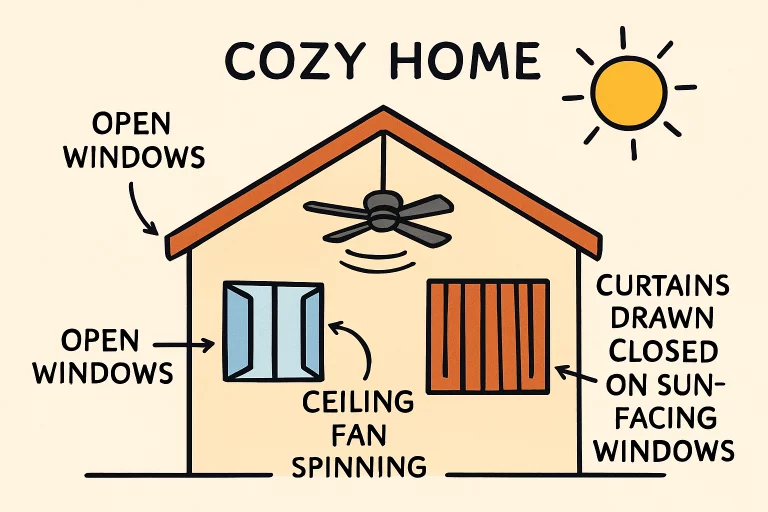
Embracing natural ventilation is one of the most efficient ways to cool your home without adding to your energy bill. Each day brings a natural cycle of temperature changes, and you can take advantage of these fluctuations by strategically opening your windows and doors. Early mornings and late evenings are usually cooler, so open windows on opposite sides of your house—known as cross-ventilation—to allow a gentle breeze to whisk away stuffy, warm air and usher in fresh, cool air. When outdoor temperatures rise, shut the windows and draw the curtains or blinds to lock in the coolness. This technique reduces the load on your air conditioner, preserves indoor air quality, and gives you a naturally refreshing environment to enjoy every day.
Optimize Fan Usage
Fans are an underappreciated ally in your mission to stay cool. Using ceiling fans, ensure they are set to spin counterclockwise during summertime. This arrangement generates a wind-chill effect, making the room feel noticeably cooler. Portable and box fans can also enhance air circulation: place them close to windows at night to draw in outdoor air or position them facing outward during the day to push hot air outside. This orchestration, especially when paired with natural ventilation, provides a rapid way to drop indoor temperatures. Additionally, using fans with air conditioning lets you set your thermostat a few degrees higher, saving energy without forgoing comfort. As with all appliances, proper electrical setup and safe wiring are essential to ensure reliable fan performance and minimize fire or overload risks.
Utilize Window Treatments
Windows are notorious for amplifying indoor heat, especially when exposed to intense sunlight over prolonged periods. To counteract this, choose window treatments designed to minimize heat gain. Blackout curtains, thermal drapes, or reflective window films can drastically reduce the amount of solar heat entering your space—some can block as much as 80% of unwanted heat. Make it a routine to close blinds or drapes during peak afternoon hours, particularly on windows facing the sun. These simple adjustments can help keep your rooms several degrees cooler, allowing your air conditioner to run less frequently and reducing overall energy usage.
Maintain Your Air Conditioning System
Regular upkeep is non-negotiable to keep your air conditioning system running efficiently during sweltering days. Start cleaning or replacing air filters monthly throughout the summer to ensure unimpeded airflow and optimal system performance. Schedule a professional maintenance check at least once a year, where technicians will examine refrigerant levels, clean condenser coils, inspect ductwork, and identify potential issues before they become costly repairs. This proactive approach prolongs your equipment’s lifespan and safeguards your investment.
Upgrade Home Insulation
Proper insulation is your home’s first defense against outdoor temperature extremes, keeping heat outside during the summer. Inspect your home thoroughly for drafts, particularly around windows, doors, and attic access points. Use weatherstripping, caulking, and foam gaskets to seal any leaks. Upgrading attic and wall insulation further creates a thermal barrier that prevents hot air from seeping in and cool air from escaping. Even modest improvements in insulation can yield significant gains in personal comfort and reduced monthly utility costs over time.
Limit Heat-Generating Activities
Routine household activities can add unnecessary heat to your living spaces without you even realizing it. Cooking with ovens and stovetops, drying clothes, and running appliances during the day all release heat, raising indoor temperatures. Consider shifting these activities to the early morning or late evening when it’s cooler. Embrace outdoor grilling or opt for no-cook meal options for summer dinners. Additionally, old incandescent bulbs should be replaced with higher-efficiency LED alternatives, as they emit far less heat and draw significantly less electricity, contributing to a cooler, more efficient home environment.
Implement Smart Landscaping
Thoughtful landscaping is a highly effective—often long-term—way to shield your home from the relentless summer sun. By planting deciduous trees strategically around your property, you can block harsh sunlight from hitting your windows and walls during the hottest parts of the day. Shrubs and ground cover planted close to the foundation can help moderate ground temperatures. These trees shed their leaves in winter, ensuring the warming sunlight can still reach your home when needed. Smart landscaping cools your indoor spaces naturally and enhances outdoor areas, making your yard a pleasant spot to relax even on warm days.
Consider Energy-Efficient Upgrades
Investing in upgrades can provide substantial returns if you’re ready to take your home’s comfort and efficiency to the next level. Energy-efficient windows, for example, substantially reduce heat transfer, keeping your interiors cooler throughout the season. Installing reflective window films and programmable thermostats further refines climate control. These solutions enable automatic adjustments based on the time of day or occupancy patterns, ensuring cooling systems only run when needed. Window films, energy-efficient glass, and thermostats allow for a perfectly tailored cooling schedule, preventing waste and maximizing savings. Learn more about how modern solutions like programmable thermostats can transform your cooling strategy by visiting this energy-efficient home cooling resource.