
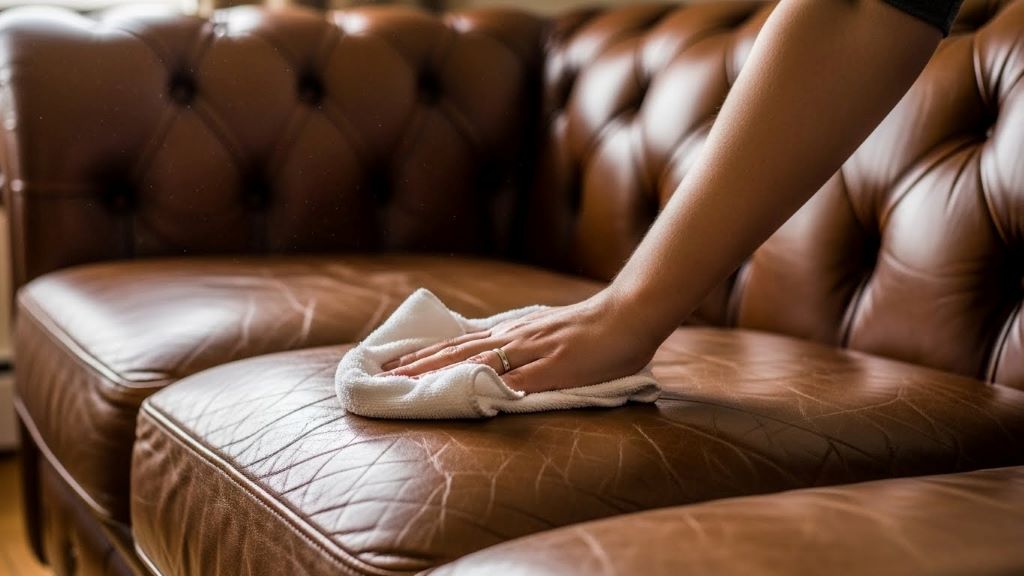
Leather furniture adds elegance and sophistication to any home. However, keeping it clean without damaging the protective coating requires proper knowledge and technique. This comprehensive guide shows you how to maintain your leather furniture safely while preserving its beauty and longevity.
Understanding Leather Protective Coatings
Most modern leather furniture comes with a protective coating applied during manufacturing. This coating shields the leather from stains, spills, and everyday wear. Additionally, it helps maintain the leather’s color and prevents premature aging.
The protective layer creates a barrier between the leather and potential damage sources. Therefore, using harsh chemicals or abrasive materials can strip away this essential protection. Understanding your leather type helps you choose the right cleaning approach.
Different leather types have varying coating levels. Aniline leather has minimal coating and shows natural texture. Semi-aniline leather has moderate protection with some natural appearance. Protected leather features the most coating and offers maximum durability. According to Better Homes & Gardens, knowing your leather type is crucial for proper care.
Identifying Your Leather Type
Before cleaning, determine what type of leather you own. Check the manufacturer’s care tag attached to your furniture. This tag provides specific cleaning instructions and leather type information.
Perform a simple water test if no tag exists. Place a small water drop in an inconspicuous area. If the water beads up, you have protected leather. If it soaks in quickly, you likely have aniline or semi-aniline leather.
Protected leather feels smooth and uniform. Aniline leather shows natural grain variations and feels softer. Semi-aniline falls somewhere between these characteristics. Each type requires slightly different cleaning approaches.
Essential Supplies for Safe Leather Cleaning
Gathering the right supplies prevents accidental damage to your furniture. You need soft microfiber cloths, distilled water, mild soap or leather-specific cleaner, white vinegar, and a vacuum with soft brush attachment.
Avoid harsh chemicals like bleach, ammonia, or all-purpose cleaners. These products strip protective coatings quickly. Similarly, skip abrasive sponges or scrub brushes that scratch the surface.
Invest in quality leather conditioner designed for your specific leather type. Conditioner replenishes oils lost during cleaning. However, use it sparingly to avoid buildup that attracts dirt.
Keep several clean microfiber cloths on hand. You will need separate cloths for cleaning, rinsing, and drying. Furthermore, having extras ensures you always use clean materials on your furniture.
Daily and Weekly Maintenance Routine
Regular maintenance prevents dirt buildup that requires aggressive cleaning. Vacuum your leather furniture weekly using the soft brush attachment. This removes dust and debris before they settle into the leather.
Wipe down your furniture with a dry microfiber cloth after vacuuming. Pay special attention to armrests and headrests where body oils accumulate. These areas need more frequent attention than other sections.
Address spills immediately when they occur. Blot liquids gently with a clean cloth instead of rubbing. Rubbing spreads the spill and can damage the protective coating. Additionally, prompt action prevents stains from setting permanently.
Rotate cushions regularly if your furniture has removable ones. This distributes wear evenly across all surfaces. Consequently, your furniture ages more uniformly and maintains its appearance longer.
Creating a Safe Homemade Cleaning Solution
A gentle homemade solution works effectively for routine cleaning. Mix one part white vinegar with two parts distilled water in a spray bottle. This combination cleans without harsh chemicals.
Alternatively, combine a few drops of mild dish soap with distilled water. Use very little soap to avoid residue buildup. Too much soap can leave a film that dulls the leather’s appearance.
Test your cleaning solution in a hidden area first. Apply a small amount and wait 24 hours. Check for discoloration, drying, or other adverse reactions. This precaution prevents visible damage to prominent areas.
Never apply cleaning solution directly to leather furniture. Instead, dampen your cloth with the solution and wring it thoroughly. The cloth should be barely damp, not wet. Excess moisture damages leather and its protective coating.
Step-by-Step Deep Cleaning Process
Start by vacuuming your entire piece of furniture thoroughly. Remove all loose dirt and debris before introducing any moisture. This prevents turning dust into muddy smears during cleaning.
Dampen a microfiber cloth with your chosen cleaning solution. Wring it out completely until it barely feels moist. Begin wiping in small sections, working from top to bottom.
Use gentle, circular motions when cleaning. Apply minimal pressure to avoid stressing the protective coating. Move systematically across each section to ensure complete coverage without missing spots.
Rinse your cloth frequently in clean water during the process. This removes accumulated dirt and prevents spreading it to clean areas. Additionally, change to a fresh cloth when the current one becomes soiled.
After cleaning each section, wipe it immediately with a separate cloth dampened with plain distilled water. This removes any cleaning solution residue. Then, dry the area with a third clean, dry cloth.
Allow your furniture to air dry completely before use. Never use heat sources like hair dryers to speed drying. Heat can crack leather and damage protective coatings permanently. Natural air drying preserves the leather’s integrity.
Dealing with Stubborn Stains Safely
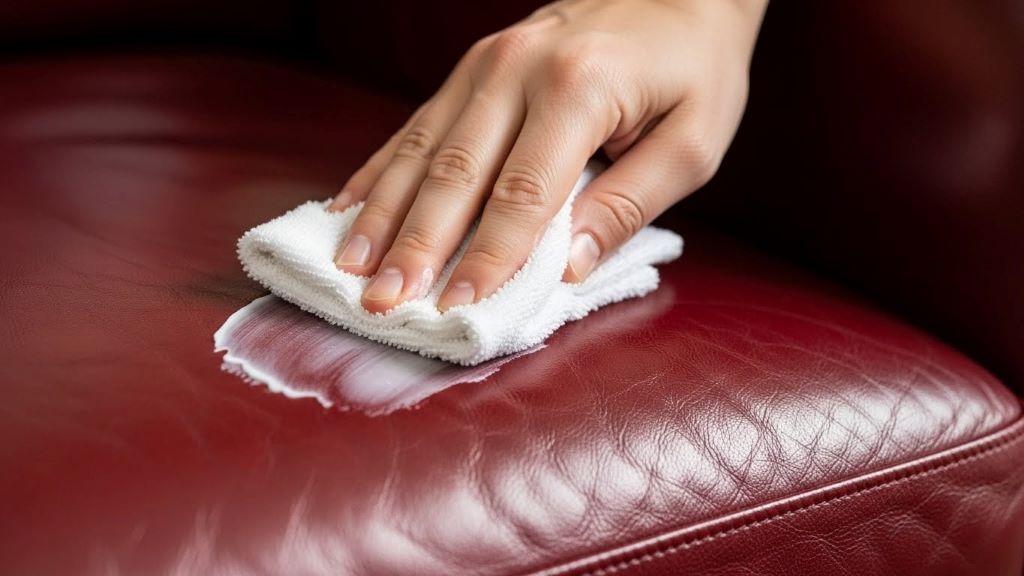
Different stains require specific approaches while maintaining coating safety. For grease stains, sprinkle cornstarch or baking soda on the spot. Let it sit for several hours to absorb the oil. Then, brush it away gently with a soft cloth.
Ink stains need immediate attention with rubbing alcohol. Dampen a cotton swab with alcohol and dab the stain gently. Never rub, as this spreads the ink. Work from the outside edges toward the center.
Remove sticky residue like gum by freezing it first. Place ice cubes in a plastic bag against the residue. Once frozen, the substance chips away easily with a plastic scraper. Metal tools scratch protective coatings, so avoid them entirely.
Water stains sometimes appear as dark spots on leather. Dampen the entire section evenly with distilled water. This blends the water mark with surrounding areas. Allow it to dry naturally for best results.
Conditioning to Maintain Protection
Conditioning replenishes natural oils that cleaning removes. Apply leather conditioner every six to twelve months depending on use. High-traffic furniture needs conditioning more frequently than decorative pieces.
Choose a conditioner specifically formulated for your leather type. According to Real Simple, using the wrong product can cause more harm than good. Protected leather needs less conditioning than aniline leather.
Apply conditioner sparingly with a clean microfiber cloth. Use circular motions to work it into the leather. A little goes a long way, so start with minimal product.
Allow conditioner to absorb for the time specified on the product label. Usually, this takes 15 to 30 minutes. Then, buff away any excess with a dry cloth. Leaving too much conditioner creates a sticky surface that attracts dirt.
What to Avoid During Cleaning
Never use baby wipes or household cleaning wipes on leather furniture. These products contain chemicals and moisturizers that damage protective coatings. Similarly, avoid using olive oil or other cooking oils despite popular myths suggesting otherwise.
Skip saddle soap unless specifically recommended by your manufacturer. Saddle soap is too harsh for most modern furniture leather. It strips protective coatings and can darken the leather permanently.
Avoid placing leather furniture in direct sunlight or near heat sources. These conditions dry out leather and crack protective coatings over time. Furthermore, sunlight causes fading that no amount of cleaning can reverse.
Never saturate leather with water or cleaning solution. Excess moisture penetrates beneath the protective coating and damages the leather itself. Always use the minimum moisture necessary for effective cleaning.
Preventing Damage Before It Happens
Prevention is easier than repair when maintaining leather furniture. Use throws or blankets on high-contact areas like armrests. These washable barriers protect against body oils and daily wear.
Keep sharp objects away from leather surfaces. Pets’ claws, keys, and belt buckles can scratch through protective coatings. Consider training pets to stay off furniture or providing alternative seating for them.
Maintain consistent humidity levels in your home. Too much humidity causes mold growth on leather. Too little causes drying and cracking. Aim for 40 to 55 percent relative humidity for optimal leather health.
Position furniture away from heating vents and air conditioning units. Direct airflow dries leather quickly and compromises protective coatings. Additionally, maintain at least two feet of distance from windows with direct sun exposure.
Professional Cleaning Considerations
Some situations warrant professional leather cleaning services. If your furniture has extensive staining or damage, professionals have specialized equipment and products. They can address problems without further damaging protective coatings.
Consider professional cleaning every few years even with good home maintenance. Professionals perform deep cleaning that removes embedded dirt impossible to reach with home methods. This extends your furniture’s lifespan significantly.
If your protective coating shows signs of wear, professionals can sometimes reapply it. This service is less expensive than replacing furniture. However, not all leather types accept new coating applications, so consult experts first.
Choose certified leather cleaning professionals with proven experience. Ask for references and verify their knowledge of different leather types. Improper professional cleaning causes as much damage as DIY mistakes.
Signs Your Protective Coating Needs Attention
Watch for specific indicators that your protective coating requires professional help. If water no longer beads on protected leather, the coating may be wearing thin. Additionally, if the leather feels dry or looks dull despite conditioning, coating damage might exist.
Uneven color changes across your furniture surface suggest coating breakdown. These areas absorb dirt and oils differently than protected sections. Furthermore, increased staining frequency indicates reduced protection.
Cracks or peeling in the surface layer mean the coating has failed completely. At this stage, professional restoration becomes necessary. Continuing to use compromised furniture accelerates damage to the underlying leather.
Conclusion
Cleaning leather furniture without damaging its protective coating requires gentle techniques and appropriate products. Regular maintenance with proper vacuuming and immediate spill response prevents most serious cleaning challenges. Using mild, homemade cleaning solutions and minimal moisture protects the coating while removing dirt. Remember to condition periodically, avoid harsh chemicals and excessive water, and seek professional help when needed. By following these guidelines, your leather furniture will maintain its beauty and protective coating for many years. Consistent care proves far easier and less expensive than dealing with damage caused by improper cleaning methods.
Frequently Asked Questions
How often should I deep clean my leather furniture?
Deep clean leather furniture every six to twelve months with proper maintenance between cleanings. High-use pieces may need quarterly deep cleaning. However, weekly vacuuming and immediate spill response reduce the need for frequent deep cleaning.
Can I use household cleaners on leather furniture?
No, avoid household cleaners on leather furniture. Products like glass cleaner, all-purpose spray, or bleach contain harsh chemicals that strip protective coatings. Instead, use mild soap and water or leather-specific cleaners designed for your furniture type.
What should I do if I accidentally damage the protective coating?
Stop using harsh products immediately and consult a professional leather restoration service. They can assess the damage and possibly reapply protective coating. Minor damage sometimes improves with proper conditioning, but significant coating loss requires expert intervention.
Is it safe to use leather conditioner on all leather types?
Not all conditioners suit every leather type. Protected leather needs less conditioning than aniline leather. Always check your manufacturer’s recommendations and test conditioner in a hidden spot first. Using the wrong conditioner can cause discoloration or damage.
How can I tell if my cleaning method is too harsh?
Signs of harsh cleaning include color lightening, increased dryness, surface roughness, or faster dirt accumulation. If leather feels stiff after cleaning or looks duller than before, your method is too aggressive. Switch to gentler products and less moisture immediately.
Related Topics: