
There’s a specific frustration that comes with hauling a bat bag over your shoulder through a crowded airport or across a hotel lobby. The strap digs in, the weight shifts awkwardly, and by the time you reach your destination, your shoulder is sore before the first game even starts. If you travel frequently for tournaments, showcases, or weekend league play, you already know that a standard duffel just doesn’t cut it. What you need is a durable rolling baseball bag that can handle the abuse of baggage handlers, cramped car trunks, and unpredictable weather. This guide breaks down exactly what to look for, what to avoid, and how to match a bag to your specific travel routine.
Why a Rolling Bag Beats a Traditional Duffel for Travel
The primary advantage of a rolling baseball bag is simple: it transfers the weight from your body to the wheels. When you are navigating long terminal walkways or moving between parking garages and fields, this makes a significant difference. A bag loaded with bats, cleats, helmets, and practice gear can easily weigh 40 to 50 pounds. Carrying that on your shoulder causes fatigue and can lead to poor posture or even injury over time.
However, not all rolling bags are created equal. A cheap wheeled bag with thin fabric and small wheels will fail quickly under the stress of travel. The key is to find a model that balances capacity, durability, and maneuverability. When you are comparing options, look for a durable rolling baseball bag that uses reinforced stitching and heavy-duty zippers, as these are the first points of failure on most luggage.
Key Features to Evaluate Before You Buy
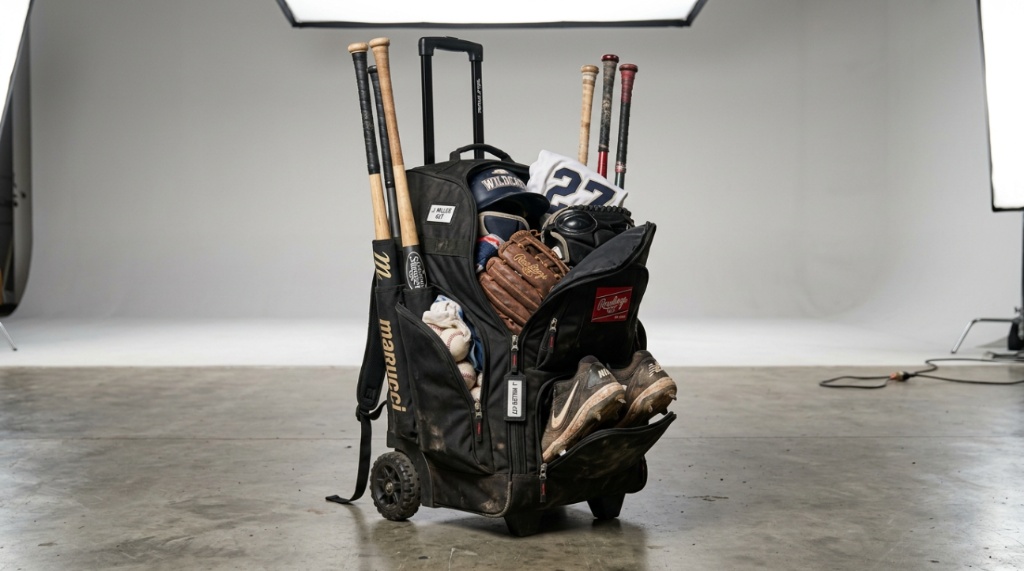
Before you commit to a purchase, you need to evaluate the bag based on how you actually travel. A bag that works for a weekend road trip may be terrible for a cross-country flight. Consider these specific features carefully.
Wheel and Handle Construction
The wheels and handle are the mechanical parts of the bag, and they are the most likely to break. Look for inline skate wheels rather than small plastic discs. Inline skate wheels are larger, smoother, and handle uneven surfaces like parking lots and sidewalks much better. The handle should be a telescoping aluminum or steel system that locks firmly into place. Avoid bags with flimsy, wobbly handles that feel loose when extended. Test the handle height to ensure it extends far enough for comfortable pulling without bending your wrist awkwardly.
Fabric and Zipper Quality
Most baseball bags use either polyester or nylon. The denier rating (D) tells you the thickness of the fabric. Look for at least 600D polyester, but 900D or 1200D is better for heavy travel. The fabric should feel thick and slightly stiff, not flimsy. Zippers are equally important. Look for YKK zippers, which are the industry standard for durability. The zipper pulls should be large enough to grip easily, even with batting gloves on. A bag with a broken zipper is useless, regardless of how well the wheels work.
Storage and Organization
Think about what you carry. Bats need a dedicated sleeve or compartment. Cleats should be isolated from your uniform to prevent dirt and odor from spreading. A separate shoe compartment with ventilation is a major plus. Look for multiple exterior pockets for smaller items like batting gloves, sunglasses, and phone chargers. An interior mesh pocket is useful for keeping your lineup cards, pens, and small valuables organized. The main compartment should open wide enough for easy packing, not just a narrow opening that forces you to dig around blindly.
Comparing Bag Styles for Different Travel Scenarios
Not every rolling baseball bag is designed for the same purpose. Some are built for maximum capacity, while others prioritize compactness for airline travel. Understanding these differences will help you narrow down your options.
| Bag Style | Best For | Capacity | Trade-Offs |
|---|---|---|---|
| Wheeled Duffel | Road trips, car travel, weekend tournaments | Large (30-40+ bats) | Bulky, may not fit overhead bins, heavy when empty |
| Convertible Rolling Bag | Mixed travel (car and occasional flights) | Medium (15-25 bats) | Straps add weight, zippers add failure points |
| Compact Rolling Bag | Air travel, short trips, single-day events | Small (8-12 bats) | Limited space, may require separate equipment bag |
If you primarily drive to games, a larger wheeled duffel is usually the best choice. You have the trunk space, and the extra capacity means you can bring backup gear. If you fly frequently, you need to check the bag’s dimensions against airline carry-on restrictions. A compact bag that fits in the overhead bin saves you baggage fees and time at the carousel.
Common Mistakes Traveling Players Make
Many players buy a bag based on looks or brand name without considering the practical realities of travel. Here are the most common mistakes to avoid.
Ignoring Airline Size Restrictions
This is the biggest mistake for frequent flyers. You buy a massive bag that holds everything, only to discover it exceeds the airline’s carry-on size limit. You are then forced to check it at the gate, which defeats the purpose of a rolling bag. Always measure the bag (including wheels) against the specific airline’s dimensions before purchasing.
Overloading the Bag
Every bag has a weight limit, even if it is not stated. Overloading puts stress on the handle mechanism, the wheels, and the zippers. If you struggle to lift the bag into a car trunk, it is too heavy. Pack only what you need for the trip. Use the bat sleeve for bats, but do not stuff extra equipment into it that could bend or break the bats.
Choosing Style Over Substance
A bag with a flashy design and team colors is appealing, but if the fabric is thin and the wheels are small, it will not last. Focus on the construction quality first. You can always add team decals or patches to personalize a plain bag,Before packing your gear, check out what to Look for in a Women’s Travel Tote Bag Before Buying to keep your personal items organized.
How to Protect Your Bag During Air Travel
Even the most durable rolling baseball bag will face rough treatment when checked at the airport. Baggage handlers are not gentle, and your bag will be tossed, stacked, and squeezed. You can take steps to minimize damage.
First, never check a bag with loose straps or dangling accessories. They can get caught in conveyor belts and ripped off. Tuck all straps into the bag or secure them with Velcro. Second, use a luggage tag with your contact information on the outside and a piece of paper with your name and phone number inside the main compartment. Third, consider using a luggage strap around the middle of the bag. This provides extra compression and keeps the bag from bursting open if a zipper fails.
Maintenance Tips to Extend the Life of Your Bag
A good rolling baseball bag is an investment. With proper care, it can last for several seasons. After each trip, take a few minutes to clean and inspect the bag.
- Wipe down the exterior with a damp cloth to remove dirt and grime.
- Empty all pockets and shake out any debris.
- Check the wheels for hair, string, or debris that could jam them.
- Lubricate the zippers occasionally with a silicone-based spray.
- Store the bag in a dry, cool place, not in a hot garage or attic.
- Do not store the bag fully packed; this puts constant pressure on the zippers and seams.
These simple steps take less than five minutes but can significantly extend the usable life of your gear.
Balancing Cost vs. Long-Term Value
Rolling baseball bags range from budget-friendly options around $50 to premium models that exceed $200. The price difference reflects the quality of materials, the durability of the wheels, and the overall construction. A $50 bag might work for a season of light use, but it will likely fail under the stress of frequent travel. A $150 bag with reinforced seams, heavy-duty zippers, and quality wheels will last multiple seasons, making it a better value in the long run.
Consider how often you travel. If you play in 10 or more tournaments a year, spend the extra money on a higher-quality bag. If you only travel a few times a season, a mid-range bag may be sufficient. Do not buy the cheapest option available, as it will likely cost you more in replacement costs later.
Final Considerations Before You Purchase
Before you finalize your decision, think about the specific gear you carry. Do you use a two-piece bat that is longer than standard? Measure your bats to ensure they fit in the bag’s sleeve. Do you carry a separate helmet bag? Make sure the rolling bag has enough space to accommodate it or that it has a dedicated helmet pocket. Consider the color of the bag as well. Darker colors hide dirt and scuffs better than lighter colors, which is important if you are checking the bag regularly.
Also, check the warranty. Many reputable brands offer a limited lifetime warranty on their bags. This is a sign of confidence in the product’s durability. If a manufacturer is not willing to back their product, that is a red flag.
Frequently Asked Questions
Can I use a rolling baseball bag as a carry-on for flights?
It depends on the specific bag’s dimensions. Many compact rolling bags are designed to meet airline carry-on size restrictions. However, larger wheeled duffels will not fit in overhead bins. Always check the bag’s dimensions against your airline’s carry-on policy before booking a flight.
How many bats can a rolling baseball bag hold?
This varies significantly by model. Compact bags typically hold 8-12 bats, while larger wheeled duffels can hold 30 or more. The bat sleeve is usually the limiting factor. Check the product specifications for the bat capacity before purchasing.
What is the best way to clean a rolling baseball bag?
Use a mild soap and water solution with a soft cloth or sponge. Avoid harsh chemicals or abrasive cleaners that can damage the fabric. For stubborn stains, use a soft-bristled brush. Allow the bag to air dry completely before storing it.
Are rolling baseball bags worth the extra weight compared to regular duffels?
Yes, for most travelers. The rolling mechanism adds some weight to the bag itself, but it eliminates the strain of carrying a heavy load on your shoulder. The convenience and reduced physical stress make it a worthwhile trade-off for anyone who travels regularly.
How do I know if the wheels are durable enough for rough terrain?
Look for inline skate wheels, which are larger and made of a softer polyurethane material. They roll smoothly over cracks, gravel, and uneven pavement. Smaller, hard plastic wheels are more likely to crack or get stuck on rough surfaces.
Conclusion
Finding the right rolling baseball bag comes down to understanding your travel habits and prioritizing durability over flashy features. Focus on the wheels, handle, fabric, and zippers, as these are the components that will determine how long the bag lasts. Measure your gear, check airline restrictions if you fly, and avoid overloading the bag to prevent premature wear. A quality bag is an investment in your comfort and convenience, saving you from the hassle of replacing broken equipment carriers every season. Take your time, compare the options, and choose a bag that will travel with you reliably for years to come.