

Setting up a nano reef tank can be one of the most rewarding experiences for aquarium enthusiasts. Watching vibrant corals and tiny fish thrive in a miniature marine ecosystem is both mesmerizing and fulfilling. However, one of the most crucial steps that beginners often overlook is cycling the tank. Skipping or rushing this process can lead to disastrous consequences, including dead fish and unhealthy coral.
In this guide, we’ll break down the essential steps to cycle a nano reef tank, explain the science behind it, and provide practical tips to ensure your tiny reef flourishes.
What is Cycling a Nano Reef Tank?
Cycling a nano reef tank refers to the process of establishing a stable biological filter in your aquarium. This is achieved by cultivating beneficial bacteria that convert toxic substances like ammonia and nitrite into less harmful compounds such as nitrate.
Without proper cycling, toxic ammonia and nitrite levels can spike, causing stress or death to your aquatic inhabitants. A fully cycled nano reef tank ensures a healthy and balanced ecosystem, which is vital for corals, invertebrates, and fish.
Why Cycling is Essential for Beginners
Many beginners are excited to add fish and corals immediately after setting up their tank. However, this common mistake often leads to “new tank syndrome,” where water chemistry is unstable and highly toxic.
Cycling a nano reef tank allows you to:
- Prevent fish and coral deaths: Beneficial bacteria process waste efficiently, reducing toxicity.
- Maintain water stability: A cycled tank keeps ammonia and nitrite at zero, while nitrate levels remain manageable.
- Create a thriving ecosystem: Healthy bacteria colonies support coral growth and overall tank health.
For beginners, understanding and respecting the cycling process is key to long-term success.
Types of Nano Reef Tank Cycling
There are three primary methods to cycle a nano reef tank:
-
Fishless Cycling
Fishless cycling involves adding a source of ammonia to your tank without introducing live fish. This method is safer and more humane, preventing harm to animals.
Steps:
- Add pure ammonia or decomposing food to the tank.
- Test water daily for ammonia, nitrite, and nitrate levels.
- Wait for ammonia to spike and then drop as nitrite rises, followed by the appearance of nitrate.
- When ammonia and nitrite reach zero and nitrate is detectable, your tank is cycled.
-
Fish-in Cycling
Fish-in cycling introduces hardy fish from the start. While it can work, this method requires constant water testing and partial water changes to protect fish from toxic levels of ammonia and nitrite.
Steps:
- Choose hardy fish such as clownfish.
- Monitor water parameters daily.
- Perform frequent water changes to reduce ammonia/nitrite toxicity.
- Once beneficial bacteria are established, ammonia and nitrite should remain near zero.
-
Live Rock Cycling
Live rock, often called the “engine” of reef tanks, naturally contains beneficial bacteria. Using live rock can speed up the cycling process.
Steps:
- Place live rock in the tank.
- Introduce a small amount of ammonia if necessary.
- Monitor water parameters until ammonia and nitrite levels drop to zero.
Tip: Combining fishless cycling with live rock is an effective strategy for nano reef tanks, especially for beginners.
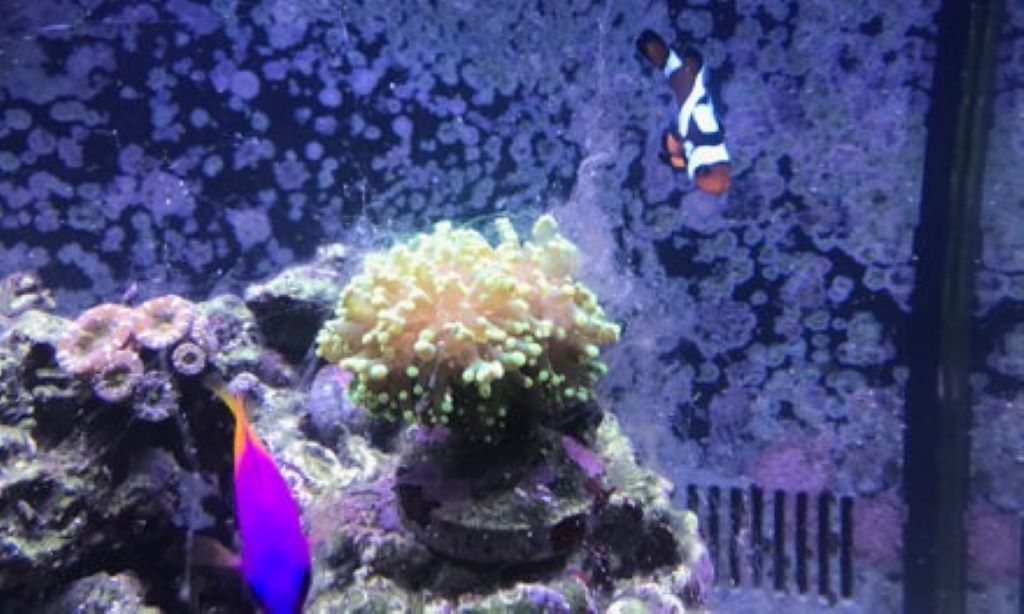
Step-by-Step Guide to Cycling Your Nano Reef Tank
Here’s a practical, beginner-friendly process for cycling a nano reef tank:
1: Set Up Your Tank
- Rinse the tank, substrate, and equipment with freshwater.
- Add saltwater to reach a specific gravity of 1.024–1.026.
- Install a heater to maintain 75–82°F and a filter or protein skimmer.
2: Introduce a Nitrogen Source
- For fishless cycling, add pure ammonia or frozen shrimp as a source of waste.
- For live rock cycling, ensure the rock is cured and free from pests.
3: Monitor Water Parameters
- Test for ammonia, nitrite, and nitrate at least 2–3 times per week.
- Record results to track cycling progress.
- Expect ammonia to rise first, followed by nitrite, and finally nitrate.
4: Wait for Beneficial Bacteria to Establish
- Cycling typically takes 4–6 weeks, but live rock can reduce this to 2–4 weeks.
- Patience is crucial; rushing this step can be deadly for fish.
5: Perform Water Changes
- Once nitrate levels rise, perform a 25–50% water change to lower nitrates.
- Adjust water chemistry (salinity, pH) as needed.
6: Add Fish and Coral Gradually
- Start with a few hardy fish or invertebrates.
- Monitor water parameters closely for the first few weeks.
- Slowly introduce more inhabitants as the tank stabilizes.
Key Tips for Cycling Success
- Use high-quality salt mix: Impurities can slow bacterial growth.
- Avoid overfeeding: Excess food increases ammonia and delays cycling.
- Consider a bacterial booster: Products containing nitrifying bacteria can speed up the process.
- Be patient: Rushing the cycle is a common beginner mistake.
Common Problems During Cycling
- Ammonia Spike
- Cause: Too much waste or overfeeding.
- Solution: Perform partial water changes and reduce feeding.
- Nitrite Spike
- Cause: Beneficial bacteria are not fully established.
- Solution: Keep testing and let the bacteria convert nitrite to nitrate.
- Algae Growth
- Cause: Excess nutrients and light.
- Solution: Reduce light exposure and maintain proper water parameters.
FAQs About Nano Reef Tank Cycling
Q1: How long does it take to cycle a nano reef tank?
A: Fishless cycling typically takes 4–6 weeks, while using live rock may reduce it to 2–4 weeks.
Q2: Can I add fish before cycling?
A: It’s possible but not recommended. Fish-in cycling requires careful monitoring and frequent water changes to prevent toxicity.
Q3: How do I know if my tank is fully cycled?
A: Ammonia and nitrite levels should be zero, while nitrate should be detectable. This indicates a healthy bacterial population.
Q4: Should I use a bacterial booster?
A: Optional, but a high-quality nitrifying bacteria product can speed up cycling and reduce the risk of new tank syndrome.
Q5: Is cycling different for nano tanks compared to larger reef tanks?
A: The principles are the same, but nano tanks are more sensitive to water parameter fluctuations, so close monitoring is essential.
SEO and LSI Keywords Used
Throughout this guide, we naturally incorporated secondary and LSI keywords such as:
- nano reef tank setup
- beneficial bacteria in aquariums
- fishless cycling
- live rock for reef tanks
- ammonia and nitrite in reef tanks
- new tank syndrome
- reef tank water parameters
- beginner coral aquarium tips
These keywords help boost SEO optimization while maintaining readability and user-focused content.
Conclusion
Cycling your nano reef tank is the foundation of a successful marine aquarium. By taking the time to establish beneficial bacteria, monitor water parameters, and introduce inhabitants gradually, beginners can avoid costly mistakes and create a thriving, colorful reef ecosystem.
Remember, patience and consistent monitoring are your best allies. With the right approach, your nano reef tank will become a vibrant, miniature underwater paradise.
Call to Action: Start your nano reef tank journey today by setting up your first cycling stage! Test your water, track your progress, and witness the transformation as your tank comes alive with fish, corals, and endless marine beauty. Share your experiences or questions in the comments below to help fellow beginners succeed in their reefing adventures!
Read More:
The director’s guarantee: what you need to know before signing it
