As modern homeowners seek ways to reduce their environmental footprint and lower utility costs, sustainable roofing has gained significant attention. Choosing eco-friendly roofing materials isn’t just about style—it’s about leveraging innovative products and practices that benefit the environment and long-term home performance. For those weighing their options, understanding the available roofing systems is essential to making an informed, impactful decision.
Eco-conscious roofing solutions help reduce energy use, cut landfill waste, and often meet or exceed traditional roof performance. These materials don’t just look good—they help conserve resources and improve comfort inside your home. As the housing market shifts toward high-efficiency standards, many homeowners and builders are seeking alternatives that align with both their values and design preferences.
Metal Roofing
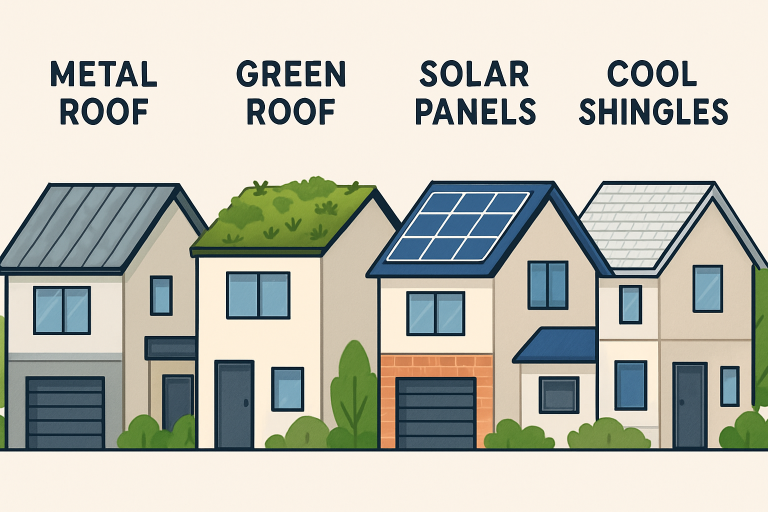
Among the most popular eco-friendly roofing materials, metal roofs excel in longevity and recyclability. Built to last for decades—often 40 to 70 years—metal roofs stand up to harsh weather while demanding little maintenance. Their reflective properties slash cooling bills by deflecting sunlight, an advantage especially notable in warm climates. Most metal roofs contain a significant percentage of recycled content and, at the end of life, can be recycled again, keeping them out of landfills.
Recycled Shingles
Recycled shingles transform everyday waste such as rubber, plastic, or wood fiber into sturdy, beautiful roofing panels. These shingles successfully mimic the appearance of more traditional materials like slate, cedar, or asphalt, but with much more positive environmental outcomes. Not only do they divert significant volumes of waste from landfills, but they’re also highly durable. When paired with well-installed gutters, they ensure that rainwater is efficiently channeled away from your home, protecting both the roof and the foundation. Their resistance to weather and impact damage makes them an excellent investment for homeowners hoping to balance aesthetic appeal and sustainability.
Cool Roof Systems
Cool roofs leverage specialized coatings, tiles, or shingles engineered to reflect more sunlight and absorb less heat than conventional roofs. The reduction in heat gain can lead to a dramatically cooler interior, reducing reliance on air conditioning and lowering energy costs. Cool roof materials are especially effective in sun-soaked areas and can reduce roof surface temperatures by up to 50°F. By lowering ambient urban temperatures, cool roofs also help mitigate the urban heat island effect. For further research, the EPA provides detailed information on cool roof technology and community benefits.
Clay and Concrete Tiles
Clay and concrete tiles are crafted from abundant, naturally sourced materials, boasting impressive fire resistance and superior lifespan. Their substantial thermal mass helps moderate indoor temperature swings by absorbing heat during the day and releasing it overnight, a property that’s particularly valuable in regions with intense day-to-night temperature differences. Modern manufacturing has made clay and concrete tiles lighter and more adaptable than ever before, fitting a wide range of architectural styles and providing sustainable protection for decades.
Green Roofs
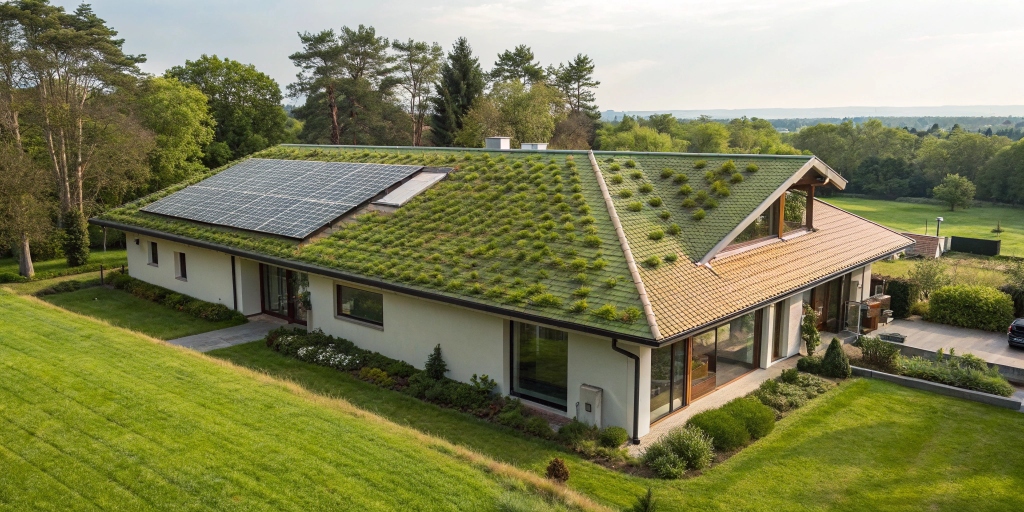
Nothing says “eco-friendly” like a green roof, which involves adding living vegetation atop a traditional roofing assembly. Green roofs function as natural insulators, keeping indoor spaces cooler in summer and warmer in winter. They help absorb rainwater, reducing runoff and the strain on municipal drainage systems, and their plant life can filter air pollutants. Studies have found that green roofs can reduce rooftop surface temperatures by 30°C and even support pollinators or local wildlife, turning your home into a miniature ecosystem.
Solar Roofing
Solar roofing is a game-changer in sustainable building. Integrated photovoltaic cells embedded in roofing materials allow homeowners to generate their own clean electricity. Not only does this cut emissions and energy bills, but it can also increase property value and energy security. According to the Department of Energy, when replacing your roof, it’s a great time to add solar panels, combining the upgrade with long-term energy savings. Modern solar roofing is designed for long life and full weather resistance, and increasingly, the style options allow homeowners to combine curb appeal with renewable energy production. As renewable energy adoption rises, solar roofing becomes an attractive, future-ready investment.
Wood Shakes
For those who love a rustic, authentic appearance, wood shakes and shingles remain a standout option. When sourced from sustainably managed forests, wood shakes provide a renewable roofing solution with excellent insulating properties. They’re often crafted from durable, pest-resistant woods like cedar, but require regular maintenance and have a shorter expected lifespan than metal or tile. Despite these considerations, responsible sourcing can make wood shakes an environmentally conscious pick for natural design enthusiasts.
Synthetic Composite Shingles
Synthetic composite shingles masterfully imitate upscale roofing materials, such as slate or cedar, without the hefty cost, weight, or intensive upkeep. Often manufactured from recycled rubber or plastics, these shingles are engineered for superior resistance to hail, fire, moisture, and temperature extremes. Their extended lifespan and eco-friendly origins make them a sustainable, reliable choice—making them an especially compelling choice for modern homes seeking low-maintenance, green solutions.
Conclusion
Switching to sustainable roofing options isn’t just about environmental responsibility—it’s about investing in a long-term solution that enhances comfort, curb appeal, and energy efficiency. Options such as metal roofing, recycled shingles, cool roof systems, clay and concrete tiles, green roofs, solar roofing, wood shakes, and synthetic composite shingles all offer distinctive advantages for forward-thinking homeowners. By selecting the right eco-friendly materials and ensuring integrations—like efficient gutters—are also optimized, you can future-proof your home while making a tangible difference for the planet.