
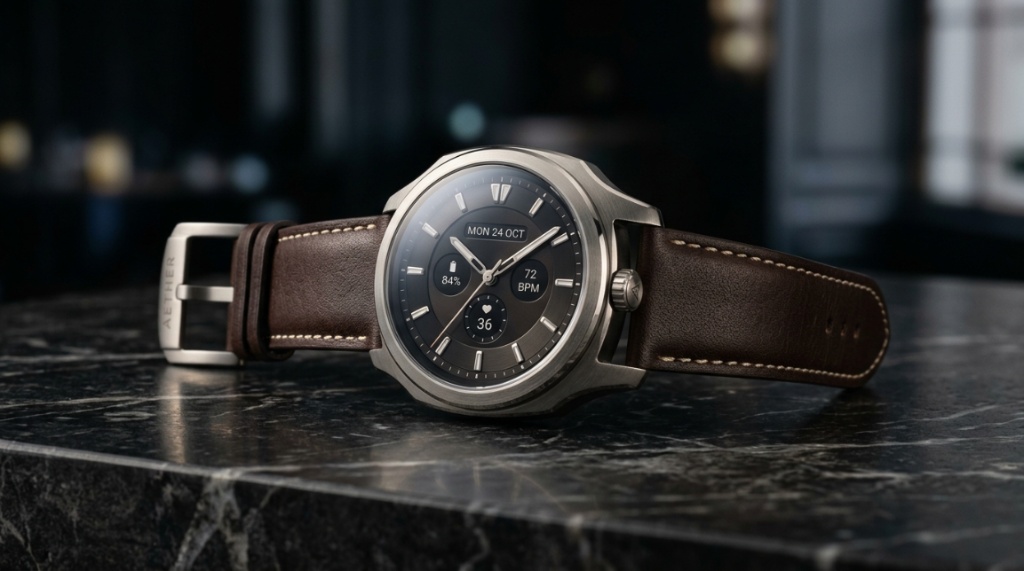
You’ve been comparing smartwatches for a while now, and the specs all start to blur together. But when you finally strap one on, the difference is unmistakable. Some watches feel like toys you wear on your wrist, while others feel like precision instruments. The gap between a standard wearable and a high-end smartwatch premium experience isn’t just about the price tag—it’s about the materials, the craftsmanship, the display quality, and the attention to detail that separates a luxury object from a mass-market gadget. This guide will walk you through the exact criteria to evaluate before you make a significant investment, so you can confidently identify a timepiece that genuinely feels worth every dollar.
What Defines a High-End Smartwatch Premium Experience?
A high-end smartwatch premium experience is defined by the convergence of four key pillars: material quality, display excellence, haptic feedback, and software refinement. It’s not enough for a watch to have a titanium case if the screen is mediocre or the vibrations feel like a cheap phone buzzing. True luxury in the smartwatch world means every interaction—from the weight on your wrist to the smoothness of the digital crown—feels deliberate and polished.
When you’re evaluating a watch, think about the total sensory experience. How does it feel when you first pick it up? Does the metal feel cold and dense, or does it feel hollow? Does the strap attach with a satisfying click, or does it wobble? These small details are where manufacturers either cut corners or demonstrate their commitment to quality. A genuinely premium device doesn’t have a single weak point in the user experience.
The Role of Materials in Perceived Value
Materials are the first thing your eyes and hands notice. Look for aerospace-grade titanium, surgical-grade stainless steel, or ceramic cases. These materials aren’t just about durability—they offer a specific weight and thermal feel that aluminum or plastic simply cannot replicate. Titanium, for instance, is remarkably light yet incredibly strong, making it ideal for daily wear. Ceramic, on the other hand, is scratch-resistant and has a unique, almost pearl-like sheen that catches light beautifully.
Pay attention to the finishing as well. A brushed finish on a steel case suggests a tool-watch aesthetic, while a mirror-polished finish leans more formal. High-end watches often combine both finishes on different parts of the case, creating visual depth. Also, check the back of the watch. A sapphire crystal case back that reveals the internal components—even if they’re just sensors—adds a layer of mechanical intrigue that plastic backs completely lack.
Display Quality: More Than Just Brightness
The display is your primary interface, and a premium smartwatch must have a screen that matches the quality of its case. Look for LTPO OLED panels, which offer adaptive refresh rates from 1Hz to 120Hz. This technology allows the watch to stay in an always-on mode without draining the battery, which is essential for a watch that should feel like a traditional timepiece rather than a gadget you have to wake up.
Peak brightness matters, especially for outdoor visibility. A high-end watch should hit at least 2,000 nits for direct sunlight readability. But brightness alone isn’t enough. Examine the bezel thickness. A truly premium watch minimizes the bezel, allowing the display to flow almost seamlessly into the case. The glass should be sapphire crystal, not Gorilla Glass. Sapphire is far more scratch-resistant, and while it can be more reflective, the best manufacturers apply anti-reflective coatings that make the screen disappear in bright light.
Always-On Display and Battery Trade-offs
An always-on display is a hallmark of a premium smartwatch. It allows you to glance at the time without raising your wrist, just like a traditional watch. However, this feature consumes power. High-end watches manage this with efficient LTPO panels and larger batteries. Expect a premium watch to last at least two days with the always-on display enabled. If a watch promises a week of battery life but requires you to disable the always-on display, it’s a compromise that undermines the premium experience.
Battery life is a classic trade-off. Longer battery life often means a thicker case or a lower-resolution display. The best premium watches balance these factors, offering a full day of heavy use plus a night of sleep tracking without needing a charge. Fast charging is also crucial—a watch that can go from 0% to 80% in 30 minutes is far more practical than one that needs an hour or more plugged in.
Haptics and the Digital Crown: The Feel of Precision
Haptics are the unsung heroes of the smartwatch experience. A premium watch uses a linear actuator (like the Taptic Engine in Apple Watches) that produces sharp, crisp taps rather than the dull, buzzy vibrations of cheaper motors. These precise haptics make notifications feel like a gentle tap on the shoulder rather than an annoying buzz. They also enhance interactions, like the subtle click you feel when you rotate the digital crown or the satisfying thud when you confirm a payment.
The digital crown itself is a critical component. It should rotate with a smooth, mechanical detent—a slight resistance that mimics a traditional watch crown. There should be no wobble, and the rotation should feel continuous and precise. Some high-end watches, like the Apple Watch Ultra, use a crown with a more pronounced texture for grip, while others prefer a smoother finish. The key is that the crown must feel solid and responsive, not loose or mushy. While luxury materials and high-end design define prestige, accurate health tracking is equally important for everyday wear. To find out how budget alternatives compare, check out our guide on Reliable Heart Rate from Budget Smartwatches.
Why Haptic Feedback Matters for Daily Use
Good haptics aren’t just about feeling nice—they improve usability. When you receive a navigation alert, a sharp tap on the wrist is far more intuitive than a sound or a visual cue. When you use the watch’s compass or altimeter, haptic feedback can confirm your actions without requiring you to look at the screen. This is especially valuable for fitness tracking, where a subtle tap at the end of a workout interval keeps you in the zone without breaking your stride.
Test the haptics before you buy. Set a timer, receive a notification, and use the digital crown to scroll through a list. The difference between a premium haptic engine and a standard one is immediately noticeable. If the watch feels like it’s vibrating rather than tapping, it’s not premium.
Software and Ecosystem Integration
Hardware is only half the story. A high-end smartwatch premium experience requires software that is smooth, intuitive, and deeply integrated with your smartphone. The watch should feel like an extension of your phone, not a separate device. This means seamless pairing, reliable notifications, and a robust app store with high-quality third-party apps.
Watch out for software that feels sluggish or buggy. A premium watch should have zero noticeable lag when swiping between watch faces or opening apps. The animations should be fluid, and the transitions should feel natural. Also, consider the watch face options. A premium watch should offer a wide variety of faces, including customizable ones that let you display complications (like weather, heart rate, or calendar events) in a way that suits your style.
Watch Faces and Customization as a Luxury Marker
Watch faces are a subtle but significant indicator of a watch’s premium nature. High-end watches offer faces with intricate details—like a chronograph with a sweeping second hand or a minimalist face with a clean, typographic design. The best faces are designed by professional graphic designers and take advantage of the OLED display’s ability to show true blacks and vibrant colors.
Customization is also key. Can you change the color of the hands? Can you add a custom complication to a specific corner? Can you create a face from your own photos? The more control you have over the face’s appearance, the more personal and premium the watch feels. A watch that locks you into a few generic faces feels restrictive, not luxurious.
How to Evaluate Build Quality in Person
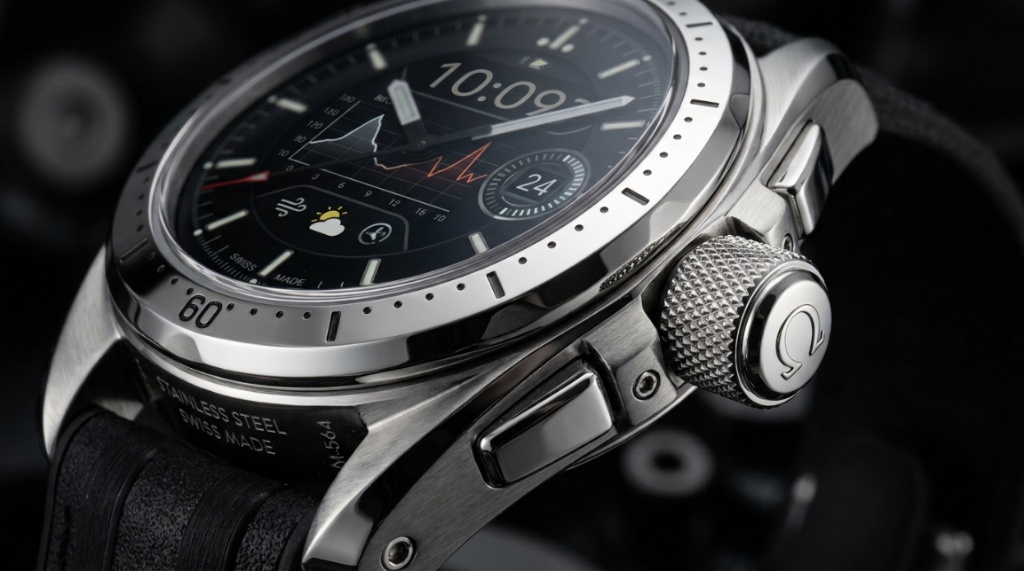
If you have the opportunity, visit a store and handle the watch before you buy. Here’s a quick checklist to evaluate build quality in person:
- Weight and Balance: The watch should feel substantial but not heavy. It should sit comfortably on your wrist without tipping to one side.
- Strap Attachment: The strap should attach securely with no play or movement. Quick-release mechanisms should click firmly into place.
- Button Feel: Press the side button and rotate the digital crown. They should feel solid, with no rattling or sticking.
- Speaker and Microphone: Play a sound and make a test call. The speaker should be loud and clear, and the microphone should pick up your voice without echoing.
- Back Panel: The sensors on the back should be flush with the case, not protruding. A flat, smooth back is more comfortable and indicates better design.
These tactile checks are far more reliable than reading specs online. A watch can look great in photos but feel cheap in person. Trust your hands—they know the difference.
Common Mistakes When Buying a Luxury Smartwatch
One of the most common mistakes is focusing solely on the case material while ignoring the strap. A premium case with a cheap, rubbery strap undermines the entire feel. Look for straps made from fluoroelastomer (a high-quality synthetic rubber), leather, or titanium link bracelets. These materials age well and feel comfortable against the skin.
Another mistake is overlooking the charging solution. A proprietary magnetic charger that requires precise alignment can be frustrating. Look for a charger that snaps into place or uses a standard wireless charging protocol like Qi. Also, consider the charging speed—a watch that takes two hours to charge is inconvenient, even if it lasts for three days.
Finally, don’t ignore the software update policy. A premium watch should receive software updates for at least three to four years. This ensures you get new features and security patches, keeping your investment relevant for years to come. Check the manufacturer’s track record for updates before you commit.
Is a Premium Smartwatch Worth the Investment?
The answer depends on your priorities. If you view a smartwatch as a disposable gadget that you’ll replace every two years, a premium model is probably overkill. But if you value craftsmanship, durability, and a refined user experience, the extra cost is justified. A high-end watch is built to last, with materials that resist scratches and wear, and software that evolves over time.
Consider how often you wear a watch. If it’s a daily companion for work, fitness, and travel, the premium experience pays off in comfort, readability, and reliability. If you only wear a watch occasionally, a mid-range model might suffice. However, for those who appreciate the details, a high-end smartwatch premium model offers a level of satisfaction that cheaper alternatives simply cannot match.
Comparing Premium vs. Standard Smartwatches
| Feature | Premium Smartwatch | Standard Smartwatch |
|---|---|---|
| Case Material | Titanium, ceramic, or stainless steel | Aluminum or plastic |
| Display Glass | Sapphire crystal with anti-reflective coating | Gorilla Glass or similar |
| Haptics | Linear actuator with crisp, precise taps | Eccentric rotating mass (buzzy vibration) |
| Digital Crown | Mechanical detent, smooth rotation, no wobble | Plastic or cheap metal, may feel loose |
| Battery Life (Always-On) | 2+ days | 1 day or less |
| Strap Quality | Fluoroelastomer, leather, or metal link | Silicone or basic rubber |
| Software Support | 3-4 years of updates | 2 years or less |
This table highlights the key differences, but the real test is in the daily experience. A premium watch feels like a tool you can rely on, while a standard watch feels like a screen strapped to your wrist.
Frequently Asked Questions
What makes a smartwatch feel premium?
A smartwatch feels premium when it combines high-quality materials (titanium, ceramic, sapphire glass), precise haptics, a smooth digital crown, an excellent always-on display, and refined software. The overall build quality must be flawless, with no wobbling parts or cheap-feeling straps.
Is a titanium smartwatch worth the extra cost?
Titanium is worth the cost if you value lightweight durability and a unique aesthetic. It’s stronger than steel but lighter, making it comfortable for all-day wear. However, it’s more expensive and can scratch, though scratches are less visible on brushed titanium.
How important is the always-on display for a premium feel?
Very important. An always-on display allows you to glance at the time without raising your wrist, mimicking a traditional watch. It’s a core feature of a premium smartwatch, and its absence makes the watch feel more like a gadget than a timepiece.
Can a mid-range smartwatch feel premium?
Some mid-range watches come close, but they usually compromise on materials (using aluminum instead of steel) or haptics (using a cheaper vibration motor). You can find a mid-range watch with a good display, but the overall feel will likely be less refined than a true premium model.
How long should a premium smartwatch last?
With proper care, a premium smartwatch should last 4-5 years or more. The hardware is built to withstand daily wear, and software updates should keep it functional and secure for at least 3-4 years. Battery degradation is the most common issue, but many premium watches have replaceable batteries.
Conclusion
Identifying a high-end smartwatch premium experience comes down to paying attention to the details that most people overlook. It’s the weight of the titanium case, the crispness of the haptic tap, the smooth rotation of the digital crown, and the clarity of the sapphire display. These elements combine to create a device that feels less like a piece of consumer electronics and more like a finely crafted instrument. Before you make a purchase, handle the watch in person, test the buttons, and scrutinize the materials. Your wrist will know the difference. Choose a watch that not only meets your technical needs but also brings you a small measure of joy every time you glance at it.